
 EN
EN
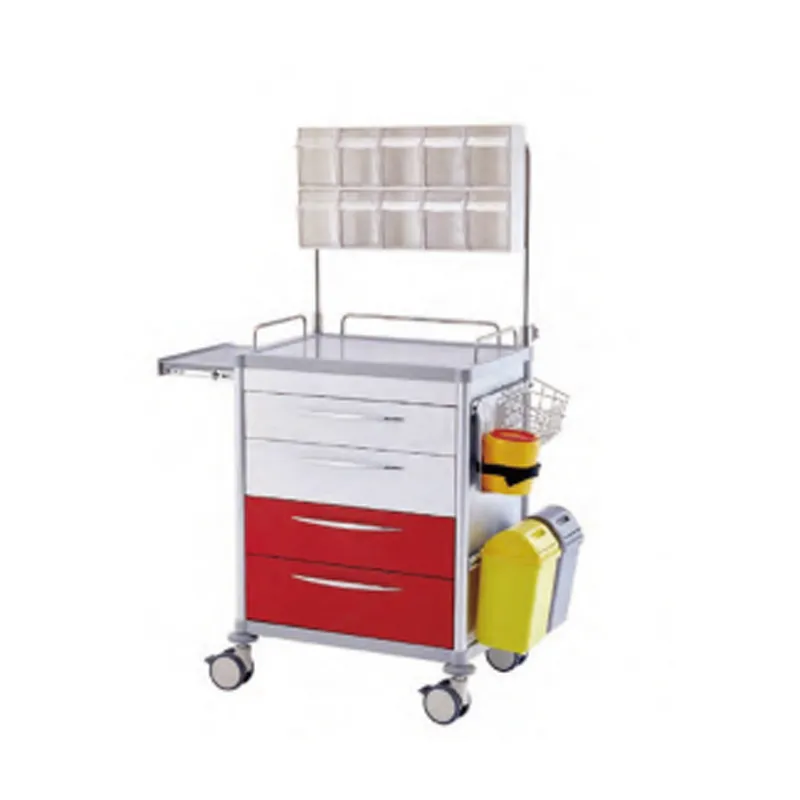
Ergonomic Design and Height Adjustability for Nurse Efficiency and Safety
The Role of Adjustable Height in Reducing Nurse Fatigue
Adjustable nurse carts can really cut down on the physical toll nurses take during long shifts because they let the work surface match up with how clinicians naturally stand or sit. According to some recent studies published in Occupational Health Journal last year, medical staff reported around 30 percent less muscle soreness after switching to these properly adjusted tools. The best models today typically adjust between 32 inches all the way up to nearly 46 inches tall, which means different sized staff members don't have to bend over constantly while mixing meds or updating patient records throughout their day. This kind of flexibility makes a world of difference for hospital workers who spend hours on end at their stations.
Work Surface Flexibility to Support Diverse Clinical Tasks
Work surfaces that can be adjusted on the fly really boost productivity in busy hospital settings. Nurses find themselves needing different tools throughout their shifts, so having things like pull out tablet holders, water resistant paper holders, and removable cleaning kits makes all the difference when setting up carts for giving meds, organizing bandage supplies, or entering patient info into electronic records. According to a recent study published in Clinical Efficiency Review last year, these flexible setups cut down the time staff spend running around for stuff across departments by almost a quarter. That kind of saving adds up over months and years in real world operations.
User-Centric Adjustability Features That Streamline Workflow
Today's nurse carts come equipped with controls that make life easier for healthcare workers. Things like hydraulic lifts that work with just a touch and preset buttons cut down on setup time between different tasks by around 18 seconds each time they're used. That might not seem like much, but in emergency situations where every second counts, those saved moments add up fast. Research into better designed medical equipment shows that these kinds of improvements really do help staff move from one task to another more quickly. The carts also have non-slip surfaces so items stay put during busy shifts, plus attachments that snap right on without needing extra tools. Nurses can rearrange their workspace as needed throughout the day without hunting for specialized hardware or spending precious minutes setting things up again.
Durable Materials and Balanced Build: Strength Without Sacrificing Mobility
Steel vs. Aluminum: Comparing Longevity and Weight in Nurse Cart Construction
When deciding between steel and aluminum materials, healthcare facilities need to find that sweet spot between toughness and ease of movement. Steel definitely wins when it comes to standing up to rough handling. Equipment frames made from steel tend to last around 40 percent longer in busy areas according to industry reports from Build Using Steel in 2024. That makes sense why emergency rooms often go for steel options where things get bumped and moved constantly throughout the day. On the flip side though, those aluminum carts are much lighter weight stuff. They clock in at about 30 to 35 percent less than their steel counterparts which means less strain on hospital staff who have to push them across lengthy corridors all day long. The difference in force required is somewhere between 8 and 12 pounds, something that adds up over time for nursing staff doing rounds.
Modern designs optimize both materials through powder-coated steel legs for scratch resistance, aluminum upper frames to reduce top-heavy loading, and reinforced stress points regardless of base material.
Designing for Stability and Ease of Movement
Top-performing carts achieve stability and mobility through three engineering principles:
- Low Center of Gravity: Concentrating weight below midline prevents tipping during sudden stops
- Dual-Wheel Casters: Wider bases (≥5") ensure smooth steering under loads exceeding 50 pounds
- Friction-Adjusted Bearings: Eliminate wheel wobble while maintaining glide efficiency
Seventy-eight percent of manufacturers now use hybrid steel-aluminum frames, ensuring carts endure over a decade of daily use while remaining maneuverable during 12-hour shifts.
Superior Caster Wheels for Smooth Mobility and Reliable Locking
Maneuvering Nurse Carts in Tight Hospital Corridors
Good caster design needs to strike a balance between being able to move around easily and staying stable, especially in tight areas where space is limited. Casters that swivel and have diameters of 6 inches or smaller allow full circle movement, which makes all the difference when trying to get through narrow hospital hallways without bumping into things. The wheels made from polyurethane material cut down on noise levels by about 42 percent compared to those made of nylon, according to research published in the International Journal of Healthcare Ergonomics back in 2022. Plus, casters with sealed bearings keep dirt and grime from building up while moving equipment around. Most nurses we talked to said they experienced significantly fewer interruptions in their work when working with equipment equipped with dual wheel casters. These designs spread out the weight more evenly over bumpy floors, something that matters a lot in real world settings.
Locking Mechanisms That Ensure Stability During Use
Reliable braking systems prevent unintended movement during critical tasks like medication preparation. According to a 2023 Workplace Safety Report, total lock brakes reduce accidental displacements by 91% compared to single-wheel locks. Key options include:
| Mechanism Type | Activation Force | Hold Duration |
|---|---|---|
| Foot pedal | 15–20 lbs | 8+ hours |
| Push-button | 5–8 lbs | 4–6 hours |
Side-mounted controls allow engagement without bending, helping prevent musculoskeletal injuries.
Swivel vs. Rigid Casters: Performance in Real-World Nursing Environments
Swivel casters enable 87% faster repositioning in multi-bed units (Healthcare Materials Management Review 2021), dominating clinical use. Rigid casters are better suited for straight-line transport needs, including infusion pump movement, high-capacity isolation carts (>450 lbs), and inter-wing transfers. Hybrid configurations (2 swivel + 2 rigid) reduce directional drift by 63% while preserving 85% of swivel maneuverability.
Secure Storage Solutions for Medication Safety and Compliance
Modern nurse carts require advanced security features to prevent diversion and meet regulatory standards. Facilities using carts with sophisticated locking systems report 73% lower medication diversion risk than those with basic models (CDC, 2022). Two primary mechanisms are used:
- Keyed locks offer physical security for controlled substances, supported by master key access for authorized staff
- Electronic systems provide granular control via PIN or RFID authentication, with timestamped logs for audit compliance
The 2023 Pharmaceutical Storage Compliance Report found that 89% of facilities using electronic locks with audit trails met FDA storage guidelines, versus 54% relying solely on keyed systems. Dual-lock compartments enable separate protocols for narcotics and routine supplies, supporting both safety and workflow efficiency during high-acuity care.
Smart Organization and Hygienic Design for Optimal Clinical Workflow
A well-designed nurse cart enhances clinical efficiency and infection control. Integrated organization systems and hygienic surfaces reduce search times and support stringent cleanliness standards, creating adaptable mobile workstations that evolve with patient care demands.
Customizable Drawers and Trays for Efficient Supply Access
Modular trays let nurses organize items by procedure type or urgency. One orthopedic unit reduced instrument retrieval time by 22% after introducing color-coded compartments for joint replacement kits. Depth-adjustable drawers prevent overstocking, while vertical dividers keep ultrasound gel upright and spill-resistant trays secure liquid medications.
Trend: Smart Drawer Systems with Inventory Tracking Integration
RFID-enabled drawers automatically log medication withdrawals and sync with hospital inventory systems to trigger restocking alerts. A 2023 pilot study showed these systems reduced missed replenishments by 67% in high-volume ER carts. Barcode scanners built into drawer handles allow nurses to document controlled substance access seamlessly, without interrupting direct patient care.
Easy-to-Clean Surfaces and Seamless Construction to Prevent HAIs
These days most modern medical carts come equipped with nonporous surfaces that have been tested against dangerous microbes like MRSA and C diff. The design includes welded seams that get rid of those tiny spaces where germs tend to hide, while the corners are rounded and countertops made as single pieces so staff can clean them much easier. Hospitals that switched to these newer cart designs saw something interesting happen during their regular checks from the Joint Commission inspectors there was about a third less instances of contaminated surfaces flagged for problems. Another smart touch is the push to release waste bins which lets healthcare workers dispose of biohazards safely without having to touch anything potentially infectious, making daily routines just a bit safer overall.
Table of Contents
- Ergonomic Design and Height Adjustability for Nurse Efficiency and Safety
- Durable Materials and Balanced Build: Strength Without Sacrificing Mobility
- Superior Caster Wheels for Smooth Mobility and Reliable Locking
- Secure Storage Solutions for Medication Safety and Compliance
- Smart Organization and Hygienic Design for Optimal Clinical Workflow