
 EN
EN
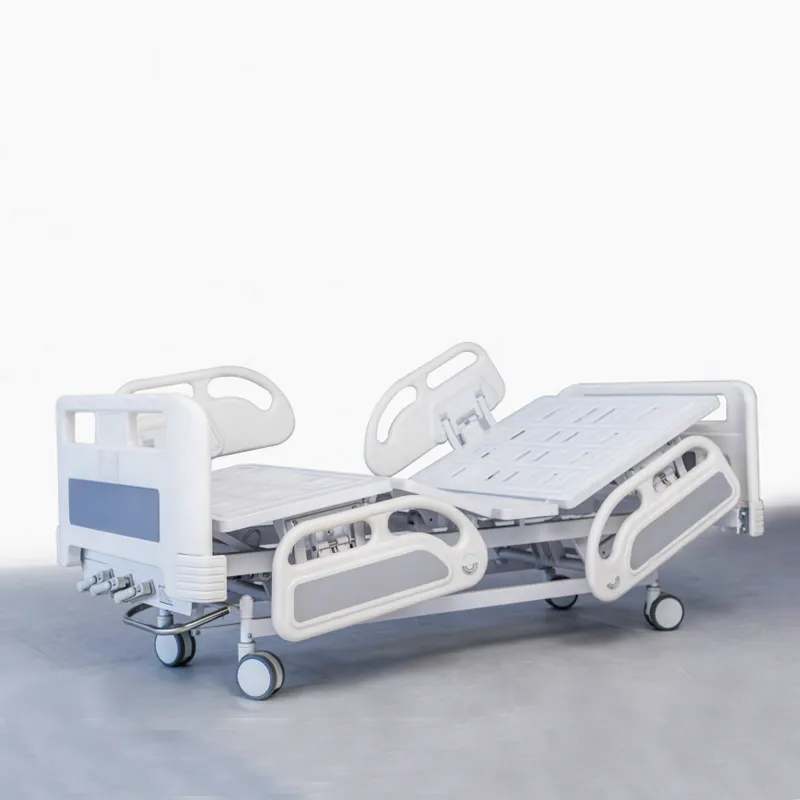
Preventing Patient Falls with Side Rails and Adjustable Height
The role of side rails in electric hospital bed safety to prevent falls and injuries
Electric hospital beds equipped with side rails can cut down fall incidents by around 62%, according to research published in the Journal of Patient Safety last year. The rails really matter for folks who have trouble moving around or suffer from confusion issues, providing actual protection while they're sleeping or just resting. Newer models come with specially designed rails that minimize gaps between them, following FDA rules about entrapment hazards. These modern designs keep the space between rails somewhere between 1.4 inches and 3.6 inches wide, which helps avoid situations where limbs or heads might get stuck accidentally.
Proper use of side rails: Guidelines and best practices to avoid entrapment hazards
- Intermittent Use: Deploy rails only during high-risk periods like nighttime or unattended recovery phases
- Patient Assessment: Avoid full-length rails for disoriented patients prone to climbing over barriers
- Gap Checks: Measure monthly between mattress and rails using standard 3.6" testing tools
A 2024 study of 47 hospitals found optimized rail protocols decreased related injuries by 34% while maintaining patient mobility access.
Adjustable bed height for safe patient transfers and fall impact reduction
Electric hospital beds with <25" low-height settings enable safer transfers, reducing fall impact forces by up to 58% compared to standard beds. Caregivers report 29% fewer musculoskeletal injuries when using automated height adjustments versus manual lowering systems (Ergonomics in Healthcare, 2023). Key configurations include:
| Height Setting | Clinical Use Case | Fall Risk Reduction |
|---|---|---|
| 15"-18" | High fall risk patients | 61% |
| 20"-23" | Assisted transfers | 44% |
| 27"-30" | Wound care access | N/A |
Optimizing bed positioning based on patient mobility and caregiver ergonomics
Electric beds with 45-degree Fowler positioning improve stability during sitting transitions while reducing caregiver lift demands by 33%. Facilities combining tilt sensors with mobility assessments saw 27% fewer falls during position changes over 6-month trials.
Advanced Monitoring and Bed-Exit Detection Systems
Effectiveness of Bed Exit Alarms and Smart Sensors in Preventing Unassisted Egress
Modern electric hospital beds reduce fall risks by 40% when equipped with pressure-sensitive alarms and infrared sensors. These systems detect subtle shifts in body position, triggering alerts before full bed exits occur. Three-layer detection combines:
- Weight distribution sensors in mattresses
- Boundary monitors detecting limb movement beyond safe zones
- Predictive algorithms analyzing restlessness patterns
Integration of Monitoring Systems with Nurse Call Alerts and Centralized Care Stations
Bed-exit warnings now synchronize with hospital-wide communication networks, cutting nurse response times by 26 seconds on average. Critical alerts escalate through four tiers:
- Bedside visual/audio warnings
- Mobile pager notifications
- Nursing station dashboards
- Emergency response team activation for high-risk patients
Balancing Technology Reliability with Direct Patient Observation: Risks and Recommendations
While automated systems handle 83% of exit attempts, Joint Commission audits show 12% of alerts result from sensor calibration drift. Best practices require:
- Daily functional testing of detection systems
- Monthly recalibration per manufacturer guidelines
- Staff training on interpreting alarm patterns
- Mandatory visual checks every 2 hours, documented in EMRs
Hybrid monitoring preserves caregiver intuition while leveraging predictive analytics—facilities combining both strategies report 19% fewer false alarms than tech-only approaches.
Ensuring Stability and Control During Use and Movement
Wheel Locks and Braking Mechanisms to Prevent Unintended Movement of Electric Hospital Beds
The dual caliper brakes along with those push button wheel locks really matter when it comes to keeping electric hospital beds stable during actual patient care situations. When these safety features kick in automatically as soon as the bed stops moving, they cut down accidental shifting by around 72 percent according to recent studies published last year in the Healthcare Safety Journal. For extra stability on floors that aren't perfectly flat, manufacturers have started adding reinforced casters equipped with vertical locking pins. And let's not forget about those handy color coded brake indicators either which allow nursing staff to quickly check if everything is locked down properly without having to bend over or touch anything.
Balancing Ease of Mobility with Secure Immobilization in Clinical Environments
In high risk areas such as ICU units, hospital beds need to switch easily from mobile to stationary positions. The centralized brake system lets staff lock all wheels at once with just one step, while those anti tip bars come into play automatically whenever the bed tilts more than about 15 degrees during patient transfers. Facilities that have implemented standard procedures for moving these beds see around two thirds fewer accidents where beds actually tip over, according to recent studies, compared with hospitals that don't follow any particular protocol for bed handling.
Electronic Controls and Obstruction Detection to Prevent Injury During Adjustments
Today's hospital beds come equipped with infrared sensors that stop the bed from moving if something gets caught in the mechanism, like a patient's leg or IV line. The beds also have built-in height restrictions so they don't go too high where someone might fall off, plus there are these vibration alerts that let staff know when the bed is getting close to its maximum angle. All these safety measures follow similar guidelines used in factory equipment control systems, basically taking what works in manufacturing and applying it to medical settings where patient safety is absolutely critical.
Security Features to Restrict Unauthorized Bed Operation and Ensure Patient Safety
Role-based access controls prevent unauthorized bed adjustments through:
- Biometric keypad locks for narcotics storage compartments
- RFID badge scanners linked to nurse station dashboards
- Time-limited guest codes for temporary family access
A 2023 study found facilities using layered security systems reduced unauthorized bed operation incidents by 89% compared to standard key-lock models.
Power Reliability and Emergency Preparedness Features
Built-in battery backup systems for uninterrupted operation during power outages
Today's electric hospital beds come equipped with lithium ion batteries that can keep running for around 8 to 12 hours when there's no electricity. They switch over to backup power almost instantly too, within half a second or so. What matters most is keeping those essential features working during outages. That means making sure patients can still adjust their bed positions and safely lower the bed if needed. The charging system also helps prolong how long these batteries last overall. According to research published last year in a healthcare tech journal, hospital beds that have two separate battery packs instead of just one cut down on safety problems caused by power issues by nearly two thirds compared to older models with only a single battery setup.
Manual override options: Hand cranks and quick-release actuators for emergencies
When backup power is exhausted or compromised, ISO 13485-compliant manual controls allow caregivers to:
- Lower bed height within 90 seconds using ergonomic hand cranks
- Release all motorized locks simultaneously via emergency quick-release
- Manually reposition critical components like Trendelenburg settings
These mechanical failsafes remain operational even with complete electrical system failure, ensuring compliance with FDA emergency readiness requirements.
Compliance insight: Percentage of hospitals requiring backup power (Joint Commission, 2023)
The Joint Commission’s 2023 hospital accreditation standards reveal 92% of facilities now mandate backup power systems for patient care equipment, with electric beds constituting 31% of electrically-dependent medical devices in acute care settings. Facilities meeting these requirements report 54% fewer patient safety events during power disruptions compared to non-compliant organizations.
Routine Maintenance and Inspection for Long-Term Safety
Importance of regular maintenance in ensuring electric hospital bed reliability
Proactive maintenance programs reduce repair costs by 42% while preventing critical failures in electric hospital beds. Systematic care preserves essential safety functions like motorized adjustments and weight capacity thresholds. Healthcare facilities implementing quarterly service intervals report 67% fewer emergency repair calls compared to reactive maintenance approaches, according to clinical engineering studies.
Monthly inspection checklist: Brakes, side rails, electronic controls, and locking mechanisms
A 9-point verification process ensures operational safety:
- Braking systems: Test wheel locks on multiple floor surfaces
- Side rail mechanisms: Confirm secure latching without play
- Control panels: Verify emergency stop responsiveness
- Structural integrity: Inspect frame welds and joints
- Power systems: Check battery backup activation speed
Clinical engineers emphasize documenting wear patterns during inspections to predict component failures before critical thresholds. Facilities with digitized maintenance records achieve 89% faster remediation of safety concerns according to 2023 healthcare operations data.
Table of Contents
-
Preventing Patient Falls with Side Rails and Adjustable Height
- The role of side rails in electric hospital bed safety to prevent falls and injuries
- Proper use of side rails: Guidelines and best practices to avoid entrapment hazards
- Adjustable bed height for safe patient transfers and fall impact reduction
- Optimizing bed positioning based on patient mobility and caregiver ergonomics
- Advanced Monitoring and Bed-Exit Detection Systems
- Effectiveness of Bed Exit Alarms and Smart Sensors in Preventing Unassisted Egress
- Integration of Monitoring Systems with Nurse Call Alerts and Centralized Care Stations
- Balancing Technology Reliability with Direct Patient Observation: Risks and Recommendations
-
Ensuring Stability and Control During Use and Movement
- Wheel Locks and Braking Mechanisms to Prevent Unintended Movement of Electric Hospital Beds
- Balancing Ease of Mobility with Secure Immobilization in Clinical Environments
- Electronic Controls and Obstruction Detection to Prevent Injury During Adjustments
- Security Features to Restrict Unauthorized Bed Operation and Ensure Patient Safety
- Power Reliability and Emergency Preparedness Features
- Routine Maintenance and Inspection for Long-Term Safety