
 EN
EN
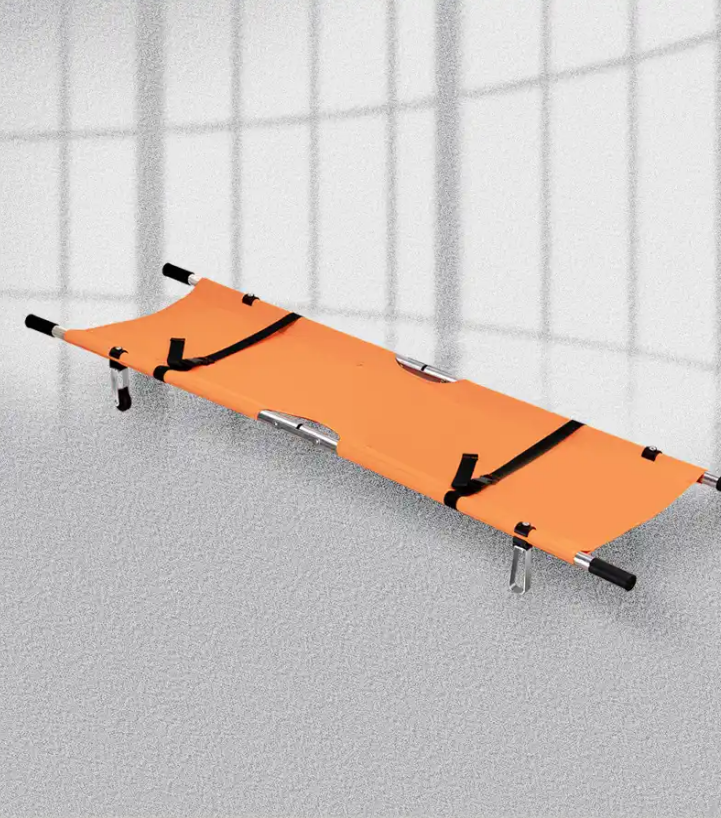
Matching Stretcher Types to Hospital Department Needs
Common Stretcher Types: Transport, Procedural, and Specialty Stretchers
Most hospital departments depend on about three main types of stretchers to handle all sorts of different situations they face day to day. Transport models tend to be light weight and fold up easily, which makes moving patients from one part of the hospital to another much simpler. Then there are procedural stretchers that come equipped with things like adjustable backs and places to attach IV poles so doctors can perform tests and small procedures without hassle. For really tricky cases though, specialty stretchers become essential. These deal with special requirements like getting through MRI machines or supporting very heavy patients. And this matters a lot because according to Healthcare Safety Reports from last year, nearly a quarter of American hospitals have had incidents where patients got hurt because their regular stretchers just weren't suitable for what was needed at the time.
Surgical and ICU Stretchers: Support for Prolonged Positioning and Monitoring
When it comes to critical care environments, being able to adjust patient positions quickly matters a lot. Modern surgical stretchers work really well with operating tables, allowing doctors to put patients in Trendelenburg position during abdominal surgeries while still giving full access around all those medical gas connections. For intensive care units, special models focus on preventing bedsores using these alternating pressure mattress systems plus specific mounting points for keeping track of vital signs nonstop. Research published last year showed that when hospitals use ICU ready stretchers instead of regular transport beds, they cut down on transfer time delays by about 41 percent.
Radiology and MRI Stretchers: Radiolucent and Imaging-Compatible Designs
Imaging departments require non-metallic, radiolucent materials to prevent interference with diagnostic scans. Carbon fiber bases and polypropylene surfaces ensure compatibility across X-ray, CT, and MRI systems. Optimal models offer extended lengths (up to 96") for taller patients and include built-in radiation shielding to protect technologists during interventional imaging.
Emergency and Ambulance Stretchers: Durability and Rapid Deployment
First responders rely on tough stretchers that can be deployed quickly when seconds count. Good models come equipped with those handy drop down legs for getting patients into ambulances right at the roadside, plus heavy duty all terrain wheels that handle rough surfaces without complaint. Most quality stretchers these days handle weights between 500 to 800 pounds, which makes them suitable for situations where multiple personnel need to lift together. The one click height adjustment feature ranges from around 17 inches up to nearly 33 inches tall, while the hydraulic systems have actually been tested in crashes to ensure they stay stable even during emergency vehicle speeds. Stretchers meeting NFPA 1917 standards tend to last longer in the field according to our tests, showing about 38 percent better durability over time compared to non-compliant alternatives.
Pediatric and Bariatric Stretchers: Specialized Solutions for Unique Patient Needs
Specialized stretchers fill critical care gaps:
- Pediatric models feature 360° safety rails and integrated growth charts, accommodating patients from neonatal to adolescent stages
- Bariatric stretchers provide 48" wide surfaces, dual-brake systems, and low-profile designs (10" floor clearance) for safe transfers up to 800 lbs
- Hybrid units combine infant warming with transport functionality, enabling seamless NICU-to-OR transitions
Critical Adjustability and Positioning Features for Clinical Effectiveness
Height Adjustability for Safe Patient Transfers and Caregiver Ergonomics
Stretchers with an 18"–33" height range reduce lateral transfer injuries by 34% compared to fixed-height models (Appl. Ergon. 2017). This adjustability supports precise alignment with OR tables and allows ER staff to lower stretchers for safer handling of falls-risk patients.
Backrest, Leg Rest, and Trendelenburg Positioning in Surgical and Critical Care
ICU stretchers with 45° backrest elevation and 30° Trendelenburg tilt improve ventilator management and central venous pressure readings. In surgical settings, articulating leg supports enable proper lithotomy positioning, reducing soft tissue injury risk by 22% according to laparoscopic surgery research.
Convertible Stretcher-to-Chair Models for Outpatient and Recovery Use
Models with slide-and-lock mechanisms streamline transitions from transport to seated configurations, cutting wait times by 19% in outpatient clinics. A 2021 hospital workflow analysis showed these units reduced equipment costs by 27% in ambulatory centers.
Motorized and Powered Adjustment Systems for Precision Control
Electric actuators deliver millimeter-level accuracy crucial for radiation therapy when tumor margins are under 5mm. Touchscreen controls eliminate manual cranking, a factor in 14% of reported stretcher-related staff injuries (Healthcare Safety Report 2023).
Integration with Department Workflows: OR Table Compatibility, Radiology Access
MRI-compatible stretchers with slide-over docking achieve 98% alignment accuracy with CT scanners, outperforming standard transfer boards (76%). ISO-compliant rail systems enable one-click attachment of instrument tables, reducing surgical setup delays.
Ensuring Patient Safety and Comfort Across Departments
Weight Capacity and Bariatric Stretcher Requirements
With 42% of adults classified as obese (CDC 2023), modern stretchers must support up to 1,000 lbs. Bariatric models require reinforced frames, expanded surface areas, six to eight casters for stability, and low-profile designs to minimize fall risks during transfers.
Side Rails, Restraints, and Brake Systems: Balancing Safety and Comfort
Padded, adjustable side rails limit unintended movement while allowing caregiver access. Central locking brakes with visual engagement indicators help prevent accidental releases—a key concern in emergency departments where 23% of incidents involve brake failure (Joint Commission 2022).
Mattress Quality, Pressure Relief, and Infection-Resistant Materials
High-density foam mattresses with alternating pressure systems reduce hospital-acquired pressure injuries by 58%. Antimicrobial vinyl surfaces proven effective against MRSA and C. diff support infection control protocols in high-risk areas like ICUs.
IV Poles, Oxygen Holders, and Accessory Compatibility
Integrated mounts should accommodate:
- Dual IV poles with 45"–72" height adjustability
- Quick-release oxygen tank holders compatible with crash carts
- Monitor mounting plates that interface with telemetry systems
MRI-Safe Materials and Non-Magnetic Construction for Imaging Environments
MRI stretchers must be constructed from carbon fiber with <0.3 ppm magnetic susceptibility to avoid artifacts. ASTM F2503-20 certification is essential; non-compliant equipment accounted for 12% of canceled MRIs in a 2023 review due to interference risks.
Optimizing Caregiver Ergonomics and Operational Efficiency
Powered Stretchers and Hydraulic Lifts to Reduce Staff Injury Risk
Many healthcare professionals suffer from musculoskeletal injuries because they have to handle patients manually all day long. According to the Arjo caregiver mobility report, around 42% of nurses deal with ongoing back pain that's connected to old fashioned equipment. New motorized stretchers equipped with hydraulic lifting systems can cut down on the physical effort needed during transfers by as much as 80%. These devices meet OSHA's standards for workplace ergonomics while making daily tasks less physically demanding. Additional features like built-in weighing systems and adjustable heights make these tools even safer for both staff members and their patients.
Fifth-Wheel Steering and Compact Design for Maneuverability in Tight Spaces
| Feature | Standard Stretcher | Fifth-Wheel Stretcher |
|---|---|---|
| Turning Radius | 7.5 ft | 4.2 ft |
| Hallway Navigation | Requires 3-point turns | Pivots 360° in place |
| Weight Capacity | 450 lbs | 650 lbs |
Hospitals using fifth-wheel systems report 28% faster transfers in congested ER and ICU environments (Journal of Clinical Mobility, 2024).
Ease of Cleaning, Maintenance, and Fleet Standardization
UV-C disinfectable surfaces reduce biofilm formation by 94% compared to traditional fabrics (Infection Control Today, 2023). Cloud-based maintenance tracking enables predictive repairs, lowering annual repair costs by 19%.
Technology Integration: Smart Stretchers and Usage Tracking Systems
Smart stretchers equipped with real-time location systems (RTLS) cut equipment search times by 33%. Wireless vital sign transmission to EHRs saves nurses an average of 8.2 minutes per critical care transfer (Nursing Efficiency Study, 2024).
Addressing the Gap Between Advanced Stretcher Features and Staff Training
Despite technological advances, a 2024 survey revealed 61% of nurses lack training on smart stretcher functions such as predictive tilt alerts or fall-risk algorithms. Facilities using simulation-based onboarding achieve 89% faster adoption of advanced safety features.
Department-Specific Stretcher Selection Checklist
Emergency Room: Rapid mobility, durability, and trauma readiness
ER stretchers must withstand high-impact use, featuring reinforced aluminum frames (used in 90% of Level I trauma centers) and 360° swivel wheels for rapid navigation. Prioritize models with built-in trauma boards, hemorrhage control kits, and ambidextrous IV pole placements for time-sensitive interventions.
Operating Room: Compatibility with surgical tables and anesthesia units
OR stretchers require standardized docking systems for seamless integration with surgical tables. Split backrests (20° adjustability) aid intubation, while non-reflective surfaces reduce workflow disruptions. A 2023 AAMI study linked 67% of perioperative delays to incompatible transfer equipment.
Intensive Care Unit: Monitoring support and long-term patient comfort
ICU stretchers need ¥8-inch foam mattresses for pressure redistribution and embedded cable management for ventilators or dialysis machines. Articulating headrests and continuous lateral rotation reduce pressure injury risks by 34% compared to static surfaces (NPUAP 2022).
Radiology and Imaging: Radiolucent surfaces and MRI safety compliance
Carbon fiber construction (attenuation <10% at 150kVp) preserves image quality. MRI stretchers must have non-ferrous components tested to 3T field strength. A 2024 JMRI audit traced 82% of imaging artifacts related to stretcher materials.
Outpatient and Pediatrics: Size adaptability and patient-friendly design
Pediatric stretchers with 16"–28" width adjustability and integrated growth charts enhance care precision. Outpatient units benefit from convertible chair-stretcher designs, which reduce patient transfers by 41% (Outpatient Surgery Magazine 2023).
FAQ
What are the main types of stretchers used in hospitals?
Hospitals primarily use transport stretchers, procedural stretchers, and specialty stretchers to manage various patient care scenarios efficiently.
How do specialized stretchers enhance patient safety?
Specialized stretchers, such as MRI-compatible and bariatric models, are designed to meet specific needs, preventing patient injuries and ensuring safe transfers.
What are motorized stretchers, and why are they important?
Motorized stretchers feature hydraulic lifters and power adjustments, reducing physical strain during patient transfers and enhancing caregiver ergonomics.
Why is height adjustability important in stretchers?
Height adjustability in stretchers helps match OR tables and assists in safe patient handling, minimizing transfer-related injuries.
How can technology integration improve patient care in hospitals?
Technology integration, like smart stretchers and RTLS, improves equipment management and reduces transfer times, enhancing overall patient care efficiency.
Table of Contents
-
Matching Stretcher Types to Hospital Department Needs
- Common Stretcher Types: Transport, Procedural, and Specialty Stretchers
- Surgical and ICU Stretchers: Support for Prolonged Positioning and Monitoring
- Radiology and MRI Stretchers: Radiolucent and Imaging-Compatible Designs
- Emergency and Ambulance Stretchers: Durability and Rapid Deployment
- Pediatric and Bariatric Stretchers: Specialized Solutions for Unique Patient Needs
-
Critical Adjustability and Positioning Features for Clinical Effectiveness
- Height Adjustability for Safe Patient Transfers and Caregiver Ergonomics
- Backrest, Leg Rest, and Trendelenburg Positioning in Surgical and Critical Care
- Convertible Stretcher-to-Chair Models for Outpatient and Recovery Use
- Motorized and Powered Adjustment Systems for Precision Control
- Integration with Department Workflows: OR Table Compatibility, Radiology Access
-
Ensuring Patient Safety and Comfort Across Departments
- Weight Capacity and Bariatric Stretcher Requirements
- Side Rails, Restraints, and Brake Systems: Balancing Safety and Comfort
- Mattress Quality, Pressure Relief, and Infection-Resistant Materials
- IV Poles, Oxygen Holders, and Accessory Compatibility
- MRI-Safe Materials and Non-Magnetic Construction for Imaging Environments
-
Optimizing Caregiver Ergonomics and Operational Efficiency
- Powered Stretchers and Hydraulic Lifts to Reduce Staff Injury Risk
- Fifth-Wheel Steering and Compact Design for Maneuverability in Tight Spaces
- Ease of Cleaning, Maintenance, and Fleet Standardization
- Technology Integration: Smart Stretchers and Usage Tracking Systems
- Addressing the Gap Between Advanced Stretcher Features and Staff Training
-
Department-Specific Stretcher Selection Checklist
- Emergency Room: Rapid mobility, durability, and trauma readiness
- Operating Room: Compatibility with surgical tables and anesthesia units
- Intensive Care Unit: Monitoring support and long-term patient comfort
- Radiology and Imaging: Radiolucent surfaces and MRI safety compliance
- Outpatient and Pediatrics: Size adaptability and patient-friendly design
- FAQ