
 EN
EN
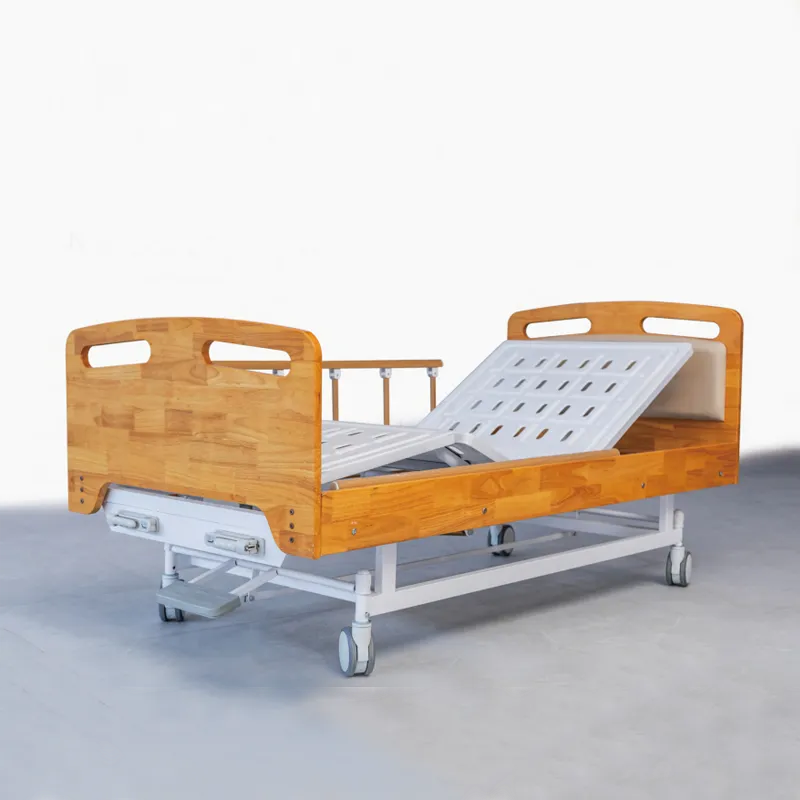
Understanding Manual vs Electric Hospital Beds: Key Features and Differences
What Is a Manual Hospital Bed and How Does It Function?
Hospital beds that operate manually rely on old school hand cranks or levers instead of needing electrical power. No plug required! For places where electricity is unreliable or money is tight, these beds work great. Most models aren't too heavy either, so they can be moved around when needed. Maintenance isn't much of a headache either compared to their electric cousins. The standard versions let staff adjust things like the headrest, foot section, and overall bed height. But lets face it, getting those exact positions right takes more effort than just pressing a button on motorized beds. Still, many facilities stick with manual options because they get the job done without all the fancy tech stuff.
However, the physical effort required to operate manual beds can increase caregiver strain by up to 40% compared to electric models, according to ergonomic studies.
Defining the Electric Hospital Bed: Fully Electric and Semi-Electric Variants
Electric hospital beds use motorized systems controlled via remote or touch panel. There are two main types:
- Fully electric beds: Motors control all adjustments—height, Trendelenburg, and head/foot elevation—for seamless positioning.
- Semi-electric beds: Motorized upper body adjustments combined with manual height controls offer a mid-tier solution.
These beds support clinical precision in positioning, which is essential for respiratory support and pressure injury prevention, though they depend on reliable power sources.
Core Functional and Operational Differences in Clinical Use
The table below outlines key differences between manual and electric hospital beds:
| Feature | Manual Hospital Bed | Electric Hospital Bed |
|---|---|---|
| Adjustment mechanism | Hand cranks/levers | Motorized actuators |
| Precision control | Limited positioning increments | 1–5° angle adjustability |
| Caregiver effort | High physical exertion | Minimal exertion |
| Emergency functionality | Always operational | Requires battery backup |
| Average lifespan | 8–10 years | 10–12 years with regular servicing |
Electric models enable 72% faster repositioning in clinical environments, improving care team efficiency and response times.
Adjustability and Patient Comfort: Comparing Electric Hospital Bed Functions
Range of Motion: Trendelenburg, Head, and Foot Adjustments
Electric hospital beds offer advanced positioning capabilities that manual beds cannot match. While manual versions provide basic head and foot elevation, electric models allow precise Trendelenburg (head-down) and reverse Trendelenburg (head-up) positioning—critical for surgical recovery and respiratory management.
A 2023 orthopedic study found patients using electric beds with multi-axis adjustments experienced 34% fewer pressure injuries, underscoring the clinical benefit of motorized positioning.
Ease of Use and Precision Control in Electric vs Manual Mechanisms
Electric beds deliver millimeter-level adjustments through intuitive interfaces, enabling caregivers to set and save preferred positions. Patients can also self-adjust using bedside remotes, promoting independence. In contrast, manual beds require physically turning cranks, a process that takes 3–5 times longer based on rehabilitation facility data.
Nurses report 72% less upper-body strain when using electric beds, significantly reducing occupational fatigue in high-demand care settings.
Enhanced Comfort and Custom Positioning with Electric Hospital Bed Features
Modern electric beds enhance comfort through intelligent features such as:
- Zero-gravity presets for optimal pressure redistribution
- Progressive lateral rotation to prevent pulmonary complications
- Dynamic weight sensing that adjusts support zones automatically
These capabilities support personalized care protocols. Clinical trials show chronic pain patients using electric beds achieve 41% higher sleep quality scores, which correlates with faster recovery and reduced medication needs.
Precise adjustments also minimize micro-movements that contribute to skin breakdown—especially important for immobile patients, as static positioning in manual beds increases ulcer risk by 19% (Wound Care Society 2023).
Patient Mobility and Independence: Evaluating Suitability by Care Needs
Supporting Patient Autonomy Through Self-Adjustable Electric Hospital Beds
Electric hospital beds empower patients to control their own positioning via user-friendly remotes. This autonomy supports dignity and engagement, particularly for individuals recovering from surgery or managing mobility limitations.
Post-surgical patients can adjust head elevation independently, doing so 74% faster than with manual beds (Journal of Rehabilitation Medicine 2023), reducing dependency on staff for routine comfort changes.
Matching Bed Type to Patient Mobility Level and Recovery Goals
Patient mobility level should guide bed selection:
- Full electric beds are best for those needing frequent repositioning, such as spinal injury or bariatric patients
- Manual beds suit stable patients requiring only occasional adjustments
- Semi-electric models work well in transitional or home care settings
According to 2023 patient mobility assessment guidelines, electric beds are recommended when patients need three or more daily positioning changes without assistance.
Case Study: Improved Outcomes with Patient-Controlled Electric Adjustments
A 2024 trial involving 120 stroke rehabilitation patients found those using electric beds with preset programs achieved 32% faster mobility recovery and 19% shorter hospital stays. Researchers linked these outcomes to patients’ ability to self-initiate therapeutic positions aligned with early mobilization best practices, demonstrating how electric bed functionality directly enhances rehabilitation progress.
Caregiver Impact: Reducing Physical Strain with Electric Hospital Bed Use
Minimizing Manual Effort Through Motorized Adjustments
Electric hospital beds significantly reduce physical demands on caregivers. Motorized height and angle controls eliminate strenuous cranking and lifting. Studies indicate healthcare workers experience 30–40% less muscle fatigue during repositioning tasks compared to manual beds.
Features like one-touch Trendelenburg and Fowler positioning streamline complex adjustments, especially beneficial for bariatric or post-operative care.
Time Efficiency and Operational Convenience for Care Teams
Electric beds reduce adjustment time by 50–70%, allowing quicker responses to patient needs and smoother workflow integration. Benefits include:
- Simultaneous head and foot adjustments via remote
- Pre-programmed positions for procedures like wound care or imaging
- Quiet operation that avoids disrupting patient rest
Balancing Cost and Long-Term Caregiver Health Benefits
| Cost Factor | Manual Bed | Electric Bed |
|---|---|---|
| Upfront Price | $300 | $3,600 |
| 5-Year Maintenance | $9,100 | $6,075 |
| Repositioning Time | 8–12 min/hour | 2–3 min/hour |
Despite higher initial costs, electric beds offer long-term savings through 20–30% lower injury rates among staff and 40% longer lifespans. Facilities that adopt motorized systems report 25% fewer sick days due to musculoskeletal injuries.
Cost Comparison and Long-Term Value of Electric vs Manual Hospital Beds
When evaluating hospital beds, it’s essential to consider both upfront cost and long-term value. The following price ranges reflect current market data:
| Bed Type | Home Use Range | Clinical Facility Range |
|---|---|---|
| Manual | $300 – $800 | $1,500 – $3,000 |
| Semi-Electric | $800 – $1,500 | $2,500 – $4,000 |
| Full Electric | $1,200+ | $4,000 – $8,000 |
In home care, manual beds remain the most affordable option, while semi-electric models offer a practical balance. Clinics often invest in full-electric beds due to their efficiency and staff protection benefits.
Beyond purchase price, electric beds from reputable manufacturers require 23% less annual maintenance (2025 Durability Study) and retain 40–60% higher resale value after five years. Manual beds, while durable, carry hidden costs: caregivers using non-motorized systems report 2.1 times more musculoskeletal injuries (Healthcare Ergonomics Report 2025).
Insurance coverage also influences decisions. Many electric models qualify for partial Medicare reimbursement when prescribed for mobility-impaired patients, whereas manual beds rarely meet eligibility criteria. Always verify warranty terms and projected maintenance expenses before purchasing.
Frequently Asked Questions
What is the main difference between manual and electric hospital beds?
Manual hospital beds use hand cranks or levers for adjustment, requiring physical effort, while electric beds use motorized systems for easier position changes.
Why might a facility choose manual beds over electric?
Manual beds may be chosen for their lower cost, simplicity in areas with unreliable power, or when budget constraints exist.
What are the benefits of fully electric hospital beds?
Fully electric beds allow seamless adjustments for height, Trendelenburg positions, and head/foot elevation, offering clinical precision crucial for respiratory and pressure injury management.
Are electric hospital beds more expensive in terms of maintenance?
While electric beds have higher upfront costs, they offer long-term savings with lower injury rates among staff, longer lifespans, and less annual maintenance.
How does positioning capability impact patient recovery?
Electric beds enable precise positioning, reducing pressure injuries and enhancing comfort and recovery, making them valuable for patients needing frequent position changes.
Table of Contents
- Understanding Manual vs Electric Hospital Beds: Key Features and Differences
- Adjustability and Patient Comfort: Comparing Electric Hospital Bed Functions
- Patient Mobility and Independence: Evaluating Suitability by Care Needs
- Caregiver Impact: Reducing Physical Strain with Electric Hospital Bed Use
- Cost Comparison and Long-Term Value of Electric vs Manual Hospital Beds
-
Frequently Asked Questions
- What is the main difference between manual and electric hospital beds?
- Why might a facility choose manual beds over electric?
- What are the benefits of fully electric hospital beds?
- Are electric hospital beds more expensive in terms of maintenance?
- How does positioning capability impact patient recovery?