
 EN
EN
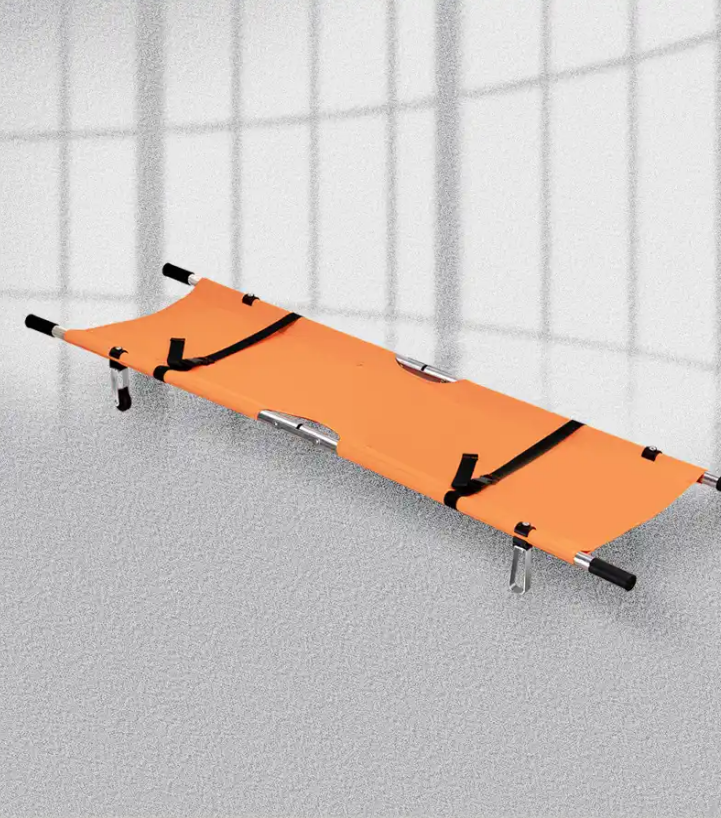
The Evolution and Types of Specialized Stretchers in EMS
From Basic Litters to Advanced Medical Stretchers: A Historical Overview
Medical stretchers for emergencies have come a long way since those basic wooden litters soldiers carried during wars. These days we see advanced systems made with light metals and packed with smart tech features. Back in the early 1800s when wheels were added to stretchers, cities saw a drop of around 34 percent in deaths during transport according to some research from EMS Tech in 2023. Now, most new models actually include GPS tracking so nobody gets lost on the way to the hospital, plus they monitor patients' vital signs as they're being moved. Looking at current stats, about 92% of all emergency medical services in America now equip their ambulances with stretchers that can be adjusted vertically. This is a big deal because older fixed height designs were causing problems for EMT workers. Before 2010, nearly one out of every four back injuries among paramedics came from lifting patients onto these rigid stretchers.
Common Types of Specialized Stretchers
Five primary designs address distinct clinical needs:
- Folding Stretchers: Collapsible aluminum frames (load capacity: 350–500 lbs) enable rapid deployment in mass-casualty scenarios
- Scoop Stretchers: Split-frame construction minimizes spinal movement during extraction, proven to reduce secondary injuries by 41% (Trauma Journal 2022)
- Bariatric Stretchers: 36"-wide bases with 1,000+ lb capacity prevent tilt accidents during obese patient transport
- Pediatric Stretchers: Smaller frames with integrated thermoregulation protect infants during neonatal transfers
- Immobilization Stretchers: Vacuum splints and six-point harness systems stabilize multi-trauma patients
Key Features Defining Modern Functionality
Three innovations drive today’s emergency stretcher standards:
- Ergonomic Hydraulics: One-handed height adjustment reduces EMT exertion, lowering musculoskeletal injuries by 40% (OSHA 2022)
- Interoperability: ISO-compliant locking mechanisms ensure seamless transfers between ambulances and hospital beds
- Situational Adaptability: All-terrain wheels with 360° rotation maintain stability on slopes up to 30°, critical for wilderness rescues
This evolution reflects EMS’s shift from reactive transport to proactive mobile care—a transformation mirrored in the 19% annual growth of the smart stretcher market (Global EMS Report 2023).
Improving Patient Safety and Immobilization During Transport
Core Principles of Patient Stabilization and Injury Prevention
When it comes to moving patients safely, there are really three things that matter most: keeping them from moving around unnecessarily, making sure their body stays properly aligned, and avoiding any new injuries during transport. Today's stretchers tackle these issues with features like adjustable headrests which have become pretty standard since they're used in about 8 out of 10 spinal injury cases as per recent EMS guidelines. The newer models also come equipped with multiple point harnesses that actually cut down on position changes by nearly 75% compared to older restraint methods. For longer trips, the ergonomic padding makes a real difference too, cutting pressure sore risks almost in half for patients who need to stay on the stretcher for hours at a time. Plus, those special materials that let X-rays go right through mean doctors can keep scanning without having to move the patient once they arrive at the hospital.
Scoop Stretchers in Spinal Injury Management: Best Practices and Evidence-Based Outcomes
The clamshell design of scoop stretchers makes spinal injury transfers much safer, cutting down on cervical spine movement by about 92% according to controlled studies. Medical professionals generally suggest using these devices whenever getting access from the side is difficult, there's suspicion of pelvic fractures, or when someone needs to be pulled out quickly from inside a car or tight space. Research published last year found that scoop stretchers actually reduce neurological problems by around 31% compared with old fashioned backboards. But here's the catch: training matters a lot. If those latches aren't properly fastened, the risk of complications jumps up by nearly 20%, so proper technique really can make all the difference in patient outcomes.
Reassessing Full Spinal Immobilization: Current Controversies and Clinical Guidelines
New research is casting doubt on the standard practice of full body immobilization after head injuries, as studies show that stiff neck collars actually raise intracranial pressure in about a quarter of head trauma cases. According to recommendations from National EMS Physicians, healthcare providers should now focus on selective spinal movement restrictions instead. Full immobilization remains necessary only when there are signs of neurological problems, which occurs in roughly 14 percent of trauma situations, or when there's clear spinal tenderness detected during transport (this happens around 9% of the time). The same goes for patients who have suffered serious impacts and show changes in consciousness levels. Switching to this more targeted method cuts down on those nasty pressure sores acquired in hospitals by nearly 40%, all without compromising the actual spinal protection that matters most.
Meeting Diverse Patient Needs with Specialized Stretcher Solutions
Modern healthcare demands stretchers that adapt to patients’ unique physiological requirements rather than forcing patients to conform to equipment limitations. This reality has driven three critical advancements in specialized transport solutions.
Bariatric Stretchers: Ensuring Safe Transport for High-Weight Patients
Reinforced aluminum frames and expanded surface areas (up to 42" wide vs. standard 24") allow bariatric stretchers to safely support patients weighing up to 1,600 pounds. These systems integrate wider wheelbases for stability during lateral transfers and low-friction rollers to reduce caregiver strain during loading.
Pediatric Stretchers and Adjustable Systems for Age-Specific Care
Pediatric models feature adjustable rails, scaled-down dimensions, and integrated distraction tools to minimize trauma for young patients. Modular designs enable rapid conversion from neonatal configurations to teen-adjustable platforms, ensuring proper spinal alignment across developmental stages.
Critical Care Immobilization Stretchers: Stability for Severely Injured Patients
Vacuum mattress systems and six-point harnesses on critical care stretchers reduce secondary injuries by limiting movement to less than 2° during transport. Ridge-style backboards made from radiolucent materials permit continuous imaging without patient repositioning, maintaining spinal precautions from accident scene to operating room.
Enhancing EMS Efficiency Through Portability and Ergonomic Design
Maneuverability in Tight and Challenging Environments: Folding and Compact Stretcher Designs
Emergency responders frequently face challenges when moving patients through tight spots such as staircases, narrow corridors, or rough ground conditions. The latest folding stretchers feature lightweight aluminum alloy frames that actually cut down on space requirements by around 40 percent according to industry reports from last year. At less than 35 pounds total weight, these smaller versions can be handled alone even in cramped situations like crushed cars or collapsed buildings. Plus, built-in wheel locking mechanisms help keep everything steady when shifting patients sideways between different transport surfaces.
Ergonomic Innovations Reducing Physical Strain on Paramedics and EMTs
About 58 percent of injuries among EMS workers come from repetitive lifting tasks according to NAEMT data from last year. New equipment designs are helping tackle this problem. The bases can now be adjusted up or down by around 12 inches to match ambulance loading levels, which makes the job much easier on the body. Shoulder straps have been redesigned to rotate and take about 30% of the patient's weight off the lower back area where most strain occurs. There are also better padded areas for gripping that cut down on hand fatigue during long shifts. A recent study across multiple EMS centers showed these changes led to roughly 22% fewer back injuries among newer staff members within their first few years on the job.
Powered-Lift and Hybrid Stretchers: Trends in Adoption and Impact on Workforce Safety
About 40% of emergency medical services departments are buying hydraulic assisted stretchers these days, which is way up from just 12% back in 2020. What's making them switch? These modern stretchers can handle weights up to 500 pounds while requiring around 70% less physical effort than traditional ones. They also come with battery powered loading systems that reduce strain on patients' spines during transport. Some models even mix motorized lifting features with good old fashioned manual controls so paramedics can still navigate rough terrain when needed. According to recent research published in the Journal of Prehospital Care, hospitals that made this transition saw their worker injury reports drop by about a third each year.
Optimizing Patient Comfort and Transport Stability
How Cushioning, Harnesses, and Adjustability Improve Comfort During Transit
Today's stretchers come equipped with memory foam padding and specially shaped surfaces that help prevent pressure sores when moving patients around. Many emergency medical services personnel have noticed this makes a real difference too, since about three quarters of them say patients complain less when these better cushioning systems are used. The stretchers also feature multi point harnesses that spread out the pressure from restraints more evenly across the body. Adjustments can be made to headrests and knee supports depending on whether someone needs to sit upright or lie back completely. For elderly folks and those who've suffered serious injuries, these comfort improvements matter a lot because they tend to get less agitated during transport when things aren't so uncomfortable for them.
Integrated Safety Features That Enhance Stability in Dynamic Conditions
Stretcher designs now feature wheel locks and roll bars to keep things steady when moving over rough ground or making sharp turns in ambulances. The side rails come equipped with double locking systems so they won't just fold up mid transport. And those wheels? They're coated with low friction material that makes steering through narrow hospital corridors much easier than older models. When dealing with critically ill patients, many stretchers also include built in spots for IV stands and oxygen tanks. This keeps all the necessary gear from shifting around while being moved between departments, which is important because nobody wants medical equipment knocking into walls or getting tangled during emergency transfers.
Patient-Reported Outcomes: Survey Insights on Comfort Across Stretcher Types
The 2023 EMS Comfort Survey found something interesting: around two thirds of patients actually care more about adjustable back support and materials that let air through than they do about how much weight a stretcher can hold. For folks dealing with bariatric issues, wider frames became really important along with extra padding that could take pressure off sensitive areas. Kids on stretchers had different problems altogether, so manufacturers started making smaller models that cut down on those annoying vibrations during transport. What does all this mean? Manufacturers are now looking at these findings when they design new equipment, trying to find that sweet spot where medical requirements meet what actual people need to feel comfortable during transport.
Table of Contents
- The Evolution and Types of Specialized Stretchers in EMS
- Improving Patient Safety and Immobilization During Transport
- Meeting Diverse Patient Needs with Specialized Stretcher Solutions
- Enhancing EMS Efficiency Through Portability and Ergonomic Design
- Optimizing Patient Comfort and Transport Stability
- How Cushioning, Harnesses, and Adjustability Improve Comfort During Transit
- Integrated Safety Features That Enhance Stability in Dynamic Conditions
- Patient-Reported Outcomes: Survey Insights on Comfort Across Stretcher Types