
 EN
EN
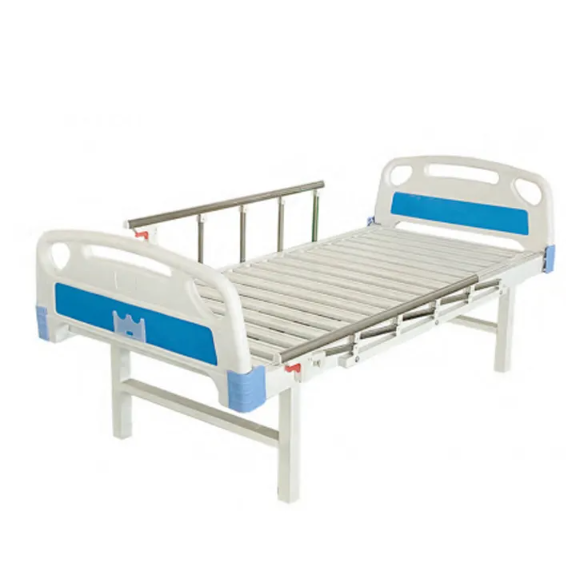
Critical Safety Features of Elderly Beds in Clinical Settings
Ultra-Low Height Design and Falls Prevention for Elderly Patients
Beds designed with an ultra low profile, typically between 7 to 10 inches off the ground, cut down on fall related injuries by around 32% when compared to regular hospital beds according to recent studies. When someone can actually touch the floor with both feet while getting in and out of bed, they feel much steadier and are less likely to tumble over. Plus, if someone does happen to fall, having a lower center of gravity means they won't get hurt as badly. Falls are actually responsible for about 70 percent of all accidental deaths among people aged 75 and older, which makes these designs especially critical for elderly care settings. What's really nice is how this low height works alongside adjustable preset heights so caregivers can tailor the bed position to match each person's mobility needs without extra effort.
Removable Side Rails and One-Touch CPR Mode for Rapid Emergency Response
The segmented and removable side rails provide fall protection but still let caregivers get right in there when something goes wrong. Fixed rails just won't cut it because emergency personnel need to grab those rails and pull them away fast for CPR or other urgent treatments. No waiting around here. When activated, the CPR button does three things at once: flattens out the mattress, brings the bed down to ground level, and pulls back all the rails so nothing gets in the way. According to field reports, this whole process cuts down on how long it takes to start life saving measures by about forty percent during heart attacks. Makes sense really, because every second counts when someone's life is on the line.
Locking Casters and Enhanced Structural Stability on Uneven Surfaces
The quad wheel lock system stops beds from moving around when transferring patients, something that matters a lot in hospitals. The frame is built stronger too so it stays steady on floors that aren't perfectly level, which happens all the time in older buildings. These medical beds have a broader footprint that makes tipping much less likely, whether they're raised to their highest setting or being moved around by staff. Testing in labs indicates they can handle three times the sideways pressure compared to regular beds. This extra strength makes all the difference for heavier patients or individuals who tend to shift around involuntarily while resting.
Ergonomic Adjustability and Patient-Centered Comfort in Elderly Beds
Hospitals and care centers are increasingly focused on designing beds for older adults that work well both for comfort and medical needs. The electric controls built into these beds let staff change the height, raise or lower the head section, and adjust the knees without much effort at all. This makes procedures go smoother and gets patients into better positions for treatment. Getting those adjustments right is actually pretty important too since pressure sores remain a big problem. According to data from the Agency for Healthcare Research and Quality back in 2023, around 2.5 million Americans end up with these kinds of injuries each year. Regular repositioning becomes possible when beds can be adjusted easily, helping distribute body weight properly even when someone has to stay in bed for long periods.
Multi-Position Electric Adjustment for Pressure Relief and Therapy Support
There's solid evidence that certain positioning techniques help prevent pressure sores. When we lift someone's head up, it actually helps people with COPD breathe better. Raising the legs gets blood flowing more efficiently too. The so-called zero gravity position takes pressure off the spine, which makes a big difference for folks dealing with arthritis pain or those who've had recent operations. Nursing staff often adjust patients into positions similar to sitting in a chair, making meals easier to manage and helping maintain some level of social interaction during recovery. Research published in the Journal of Wound Care back in 2022 found that getting positioning right can cut down on wound care expenses by around 29% for each individual treated.
Bariatric Compatibility and Expandable Frame Options for Diverse Elderly Populations
Bariatric beds come with extra strong frames that can handle weights around 1,000 pounds, plus they widen out to 48 inches when needed. The design really matters given how obesity rates keep climbing among older adults these days. About 41 percent of people over 60 now struggle with this issue according to recent CDC numbers. What makes these beds special? They have those expandable sides that take pressure off sensitive areas, plus built-in trapeze bars helping patients move around more easily. Safety isn't overlooked either. Manufacturers added wider base supports so the bed won't tip over accidentally, and special low shear materials on contact surfaces help protect delicate skin during transfers. All these improvements matter because equipment mishaps account for roughly a quarter of all injuries caregivers suffer while doing their jobs, per OSHA reports from last year.
Caregiver Efficiency: How Elderly Beds Streamline Clinical Workflow
Low-Entry Height and Integrated Transfer Aids to Reduce Lifting Injuries
Low entry beds put patients at just the right height for transfers, cutting down on all that bending and lifting which causes around three quarters of musculoskeletal issues for nurses. The beds come with helpful features like grab bars and slide boards that make moving patients much easier, requiring about 30 percent less physical strain compared to doing it all by hand. These designs tackle one of the main reasons healthcare workers end up with chronic back problems. Hospitals have seen some impressive results too many facilities are reporting roughly 42% fewer injury claims from staff once they switch to these specialized beds, based on recent occupational health reports.
Modular Mounting Points for IV Poles, Monitoring Devices, and Oxygen Systems
When hospitals install standardized mounting systems, they bring together critical gear such as IV poles, heart rate monitors, and oxygen machines right where staff need them most. This cuts down on setup time significantly during those hectic emergency moments, sometimes halving what would normally take. The universal receiver design keeps work areas from getting too crowded and means nurses don't have to drag around extra equipment carts all over the place. What's really helpful is how these systems lock everything securely in one spot so nothing gets disconnected when moving patients between rooms or departments. Research indicates that this kind of organization actually saves around nine minutes for each patient shift in busy acute care units across the country.
Selecting the Right Elderly Bed by Facility Type and Patient Acuity
When picking out beds for older adults, it's important to match what the medical team needs with how sick the patient is and what equipment the facility actually has available. For those really serious cases in hospitals where people are fighting for their lives, we definitely need those top-of-the-line ICU beds that can adjust positions and monitor vital signs all at once. These machines make a huge difference when dealing with someone who might stop breathing suddenly or need constant observation. On the flip side, nursing homes and places where folks stay for months on end work best with beds that sit super low to the ground. The lower height helps prevent falls and makes getting in and out so much easier for residents who may have mobility issues. Plus, these beds usually come with extra padding and adjustable parts that let staff customize things for each person's comfort over time. And let's not forget about size variations either. We see more and more patients coming in who require special bariatric beds or ones that can expand as needed to fit different body sizes properly.
For home care settings, space constraints and caregiver availability must guide selection. Semi-electric models often provide the right balance of functionality and simplicity when professional nursing support is limited. Key considerations include:
- Mobility requirements: Fully electric adjustments are ideal for patients with severe movement limitations
- Weight capacity: Bariatric designs support patients over 300 lbs (136 kg)
- Clinical condition: Cardiac patients require Trendelenburg positioning; fall-risk individuals need proximity-to-floor settings
- Treatment protocols: Integrated mounting points streamline oxygen therapy and IV administration
Matching bed capabilities to facility resources and patient needs reduces caregiver strain by 32% and supports better rehabilitation outcomes. Always assess whether the environment demands clinical-grade durability or home-adapted functionality before making a final decision.