
 EN
EN
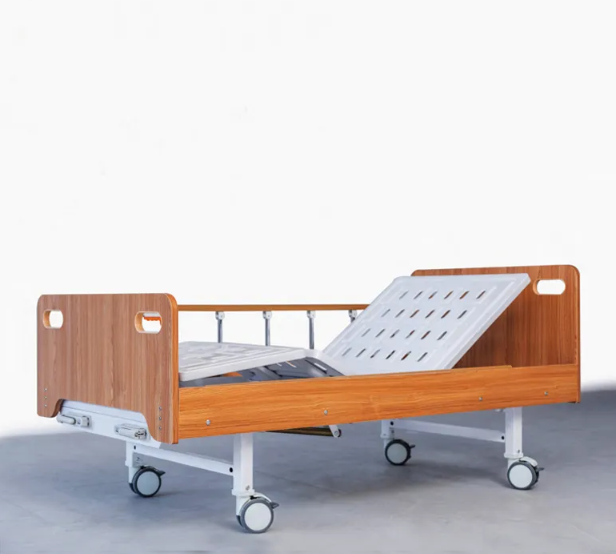
Core Durability Drivers in Manual Hospital Bed Design
High-Strength Steel Frame Construction and Corrosion Resistance
A manual hospital bed's strength starts right at the frame itself. Most frames use high strength steel around 14 to 16 gauge thick, which gives them the stiffness needed to hold up to about 450 pounds without bending or warping over time. Since hospital beds face constant wear and tear both in clinics and homes, manufacturers apply special epoxy or powder coatings to protect against rust caused by all that cleaning and sanitizing. According to some recent tests published in the Medical Materials Journal back in 2023, these protective layers can actually make frames last about 40% longer when exposed to moisture and frequent disinfectant contact compared to regular steel. This kind of lasting quality means the bed will keep working properly for many years through all those daily movements and position changes patients need throughout their recovery process.
Verified Load Capacity (350-450 lbs) and Real-World Fatigue Performance
When we talk about durability, most people think about how much weight something can hold still. But true durability gets tested when things move around in real life situations. Hospital beds that claim to handle 450 pounds actually go through rigorous testing where they're adjusted back and forth over 25 thousand times. That's roughly equivalent to what these beds would experience after fifteen years of regular use in homes. According to the Healthcare Equipment Report from last year, beds that meet the ASTM F1856 standard have shown dramatically fewer problems with joints breaking down once they're out in the field. For both nurses taking care of patients and the individuals needing assistance, this means fewer surprises when moving someone from bed to chair or adjusting positions throughout the day. No one wants to deal with equipment failures at inconvenient moments, especially when patient safety is on the line.
Critical Structural Design Elements That Extend Lifespan
Welded Joints vs. Bolted Assemblies: Impact on Long-Term Rigidity
Hospital beds built with welded frames tend to stay rigid much longer than other options. Bolts can work loose over time when subjected to constant movement and patient weight shifts, but fully welded joints stop this tiny movement at connection points. Maintenance requirements drop significantly after about five years of use. The continuous welding spreads out stress across the entire frame instead of concentrating it at specific spots where bolts typically fail. For caregivers moving patients around all day, this means beds remain properly aligned throughout transfers and adjustments, which helps prevent those painful pressure injuries. Sure, bolted frames are easier to take apart for repairs, but they just don't hold up as well in the long run. Proper welding at critical areas like where the headboard attaches and where side rails connect makes all the difference in how long these beds will last before needing replacement.
Reinforced Crank Mechanism Housing and Pivot Point Engineering
At the core of any manual hospital bed sits the crank system, and how it's built determines just how long the whole thing will last. The cast aluminum housing combined with bronze bushings inside can handle well over 50 thousand adjustment cycles, which means these parts last about three times longer than cheaper plastic versions. Manufacturers reinforce certain areas where stress tends to concentrate, so the housing doesn't crack when someone applies extra force while adjusting the bed. For those tiny moving parts, cold forged steel pivot pins work alongside self lubricating polymer bearings. This combination really minimizes wear and tear on the joints, keeping the bed smooth and easy to adjust even after years of use. Regular rivet joints tell a different story though. They tend to loosen up and become inconsistent with regular use. And let's not forget about the pivot design improvements that make things easier for staff. These changes cut down on the effort needed by around 35 percent, reducing fatigue for caregivers and preventing damage to the mechanism when they're making their usual adjustments throughout the day.
Certifications, Compliance, and Third-Party Validation of Durability
ISO 13485 Certification and FDA Listing as Indicators of Manufacturing Rigor
Getting ISO 13485 certified plus being listed with the FDA isn't just about putting stickers on products for marketing purposes. These are actual proof points that manufacturers have their act together when it comes to quality control. The process involves creating detailed records about how things get made from start to finish, tracking where materials come from, and making sure every batch looks and works the same way. Independent auditors check if companies follow all those medical device rules during ISO inspections. Meanwhile, FDA approval means they've actually tested stuff properly against standards nobody can dispute. They look at things like how long parts hold up under stress, whether loads stay stable over time, and if surfaces resist rusting. Shops that carry both these certifications tend to produce better welds, apply coatings more evenly across surfaces, and maintain really tight specifications on important parts. When buying equipment, whether for professional use or at home, going with models that have these certifications cuts down on chances of breakdowns later on and generally saves money in the long run instead of trusting vague promises about product longevity.
Practical Longevity Factors for Home-Based Manual Hospital Bed Use
Adjustment Range, Locking Stability, and Ergonomic Safety Under Daily Use
When it comes to home care beds, what really matters isn't so much the specs listed in brochures but how these beds hold up when caregivers actually use them day after day. There are basically three things that keep these beds working reliably over time. First, having enough adjustment range stops the mechanisms from getting damaged when someone needs to reposition a patient. Second, those beds with solid locking systems stay put where they're set, which makes everything safer for everyone involved. And third, good ergonomics means caregivers don't accidentally misadjust things while trying to help quickly. According to recent research from Home Care Equipment Report (2023), models that let the backrest go from about 30 degrees up to 70 degrees with an audible click sound have around 37 percent fewer breakdowns after five years in homes. Putting the adjustment crank lower than shoulder level also helps protect caregivers' joints since they need to make these changes so often throughout their shifts.
| Key Longevity Factor | Practical Impact in Home Settings | Longevity Contribution |
|---|---|---|
| Adjustment Range | Prevents over-extension stress | Reduces metal fatigue at pivot points |
| Positive-Locking | Eliminates accidental repositioning | Maintains structural alignment integrity |
| Ergonomic Interface | Enables single-handed operation | Prevents misuse-driven component damage |
Daily cycling accelerates wear-making corrosion-resistant stainless-steel hinge assemblies non-negotiable. Caregiver feedback reinforces this: 68% report higher satisfaction with beds featuring five or more distinct lock positions and low-effort cranks (Journal of Home Health Technology 2024), underscoring that thoughtful human-centered engineering directly extends functional lifespan.