
 EN
EN
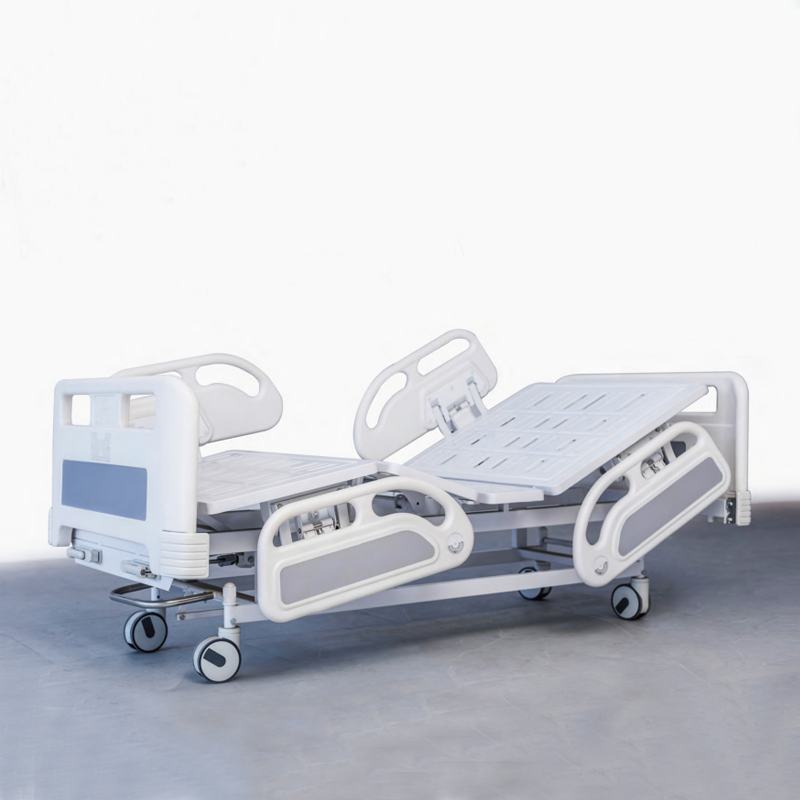
Establishing a Preventive Maintenance Schedule for Electric Hospital Beds
The Importance of Routine Maintenance in Maximizing Electric Hospital Bed Longevity
Routine maintenance prevents 73% of mechanical failures in electric hospital beds, according to a 2023 healthcare equipment study. Daily checks of emergency brakes and weekly motor function tests ensure reliable operation during patient repositioning or emergencies.
Recommended Maintenance Checklist and Frequency for Optimal Performance
Follow this evidence-based schedule to balance safety and efficiency:
- Daily: Verify battery charge levels, test bed exit alarms
- Weekly: Inspect side rails and joints for structural integrity
- Monthly: Lubricate moving parts with hospital-grade silicone spray
- Annually: Conduct full electrical safety tests per NFPA 99 standards
Hospitals using this protocol report 18% fewer unplanned repairs over five years (Healthcare Engineering Journal, 2024).
Balancing Over-Maintenance and Under-Maintenance in Clinical Environments
Excessive maintenance wastes $124 per bed annually on unnecessary part replacements, while neglected beds cost up to $740k yearly in preventable breakdowns (Ponemon Institute, 2023). Align tasks with manufacturer guidelines and CMS-recommended intervals to optimize labor and resources without compromising patient safety.
How Preventive Care Reduces Downtime and Long-Term Repair Costs
Proactive maintenance reduces bed downtime by 62% compared to reactive repairs. Facilities using predictive maintenance tools achieve 40% fewer motor failures through early detection of wear patterns. This approach extends bed lifespan by 3-5 years and cuts annual maintenance costs by 21%.
Cleaning and Disinfecting Electric Hospital Beds Safely and Effectively
Best practices for cleaning electric adjustable beds to prevent contamination
Focus daily cleaning on high-touch surfaces such as side rails, control panels, and adjustment mechanisms. Use pH-neutral, hospital-grade cleaners compatible with bed materials to avoid residue or surface damage. Microfiber cloths reduce pathogen transfer by 15% compared to traditional methods. Always follow a top-to-bottom sequence to prevent recontamination.
Safe disinfection of bed frames, side rails, and control surfaces
Use EPA-approved disinfectants with proper dwell times (typically 3-10 minutes). Follow these protocols based on surface type:
| Surface Type | Disinfection Method | Frequency |
|---|---|---|
| Bed Frames | Spray-wipe-spray with quaternary ammonium | After each patient |
| Control Buttons | Alcohol-based wipes (70% isopropyl) | Shift change |
| Side Rails | Chlorine-based solutions (0.5% concentration) | Daily |
Avoid abrasive tools that can degrade antimicrobial coatings.
Avoiding moisture exposure near electrical systems during sanitation
Creating a dry perimeter around motors, wiring harnesses, and power outlets makes good sense for equipment protection. When working near electrical parts, reach for pre-moistened wipes rather than spray bottles since they cut down on moisture getting into sensitive areas by roughly 23%, according to recent biomedical safety studies we've seen. If there's an accidental spill on any control panel, grab some compressed air right away to blow off the excess liquid before it can cause damage. Don't forget regular checks too - every three months or so, inspect those gaskets to make sure they're still sealing properly and run tests on all the GFCI outlets throughout the facility to confirm they'll actually trip when needed for moisture protection.
Inspecting Electrical Components and Motorized Functions Regularly
Proactive inspection of electrical systems is essential to maintaining operational reliability and patient safety. Facilities using systematic evaluations reduce repair costs by 18-34% compared to reactive approaches (Healthcare Engineering Journal, 2023).
Checking Electrical Connections and Wiring for Wear, Corrosion, or Damage
Conduct monthly visual inspections for:
- Tight terminal connections in power supplies and control panels
- Absence of greenish oxidation on copper conductors
- Intact insulation on wiring near articulation points
Thermal imaging during load testing detects hot spots—early indicators that help prevent 72% of electrical fires in medical equipment (facility safety reports).
Testing Remote Controls and Bed Adjustment Features for Responsiveness
Ensure all control functions operate within specifications:
- Actuator response time ≤ 2 seconds
- Consistent speed across elevation ranges
- No error codes on touchscreen interfaces
Delayed responses often signal failing capacitors or voltage irregularities requiring prompt attention.
Early Detection of Motor or Control System Malfunctions
Monitor performance benchmarks to identify developing issues:
- ●15% increase in motor elevation time
- Intermittent braking during Trendelenburg positioning
- Unusual current fluctuations beyond OEM limits
Facilities using predictive maintenance software resolve 89% of motor problems before total failure occurs.
Case Study: Reducing Electrical Failures by 40% With Monthly Inspections
A 320-bed hospital reduced critical electrical incidents by implementing:
- Biweekly connector integrity checks
- Nurse reporting of control lag
- Dielectric grease on high-vibration terminals
Emergency repairs dropped from 11 to 4 per month within six months, saving over $28k annually in parts and labor.
Maintaining Mechanical Systems and Moving Parts for Smooth Operation
Lubricating hinges, casters, and joints to minimize friction and wear
Apply hospital-grade lubricant every 60-90 days to high-movement areas like caster bearings and articulation joints. Avoid petroleum-based products, which degrade plastic components and trap contaminants in clinical environments.
Inspecting bolts, screws, and structural components for looseness or damage
Monthly fastener inspections prevent progressive failures due to vibration and load stress. A 12-month pilot across three hospitals saw a 28% reduction in bed-related incident reports after introducing biweekly torque checks on frame bolts and rail mounts.
Ensuring long-term structural integrity under frequent patient use
Quarterly evaluations of weight-bearing joints and motor mounts are crucial for heavy-duty beds. Facilities performing load tests every 1,500 adjustment cycles experience 40% fewer structural repairs than those relying on reactive maintenance.
Preventing cascading failures through timely part replacement
Replace worn actuators and damaged casters before they strain motors or trigger control errors. Clinical engineering guidelines recommend replacing components at 80% of their rated service life to maintain safety margins in critical care settings.
Knowing When to Replace Parts or Call Professional Technicians
Identifying irreparable damage in electrical or mechanical components
Systematic inspections help detect critical signs: erratic motor behavior, non-responsive controls, grinding noises, unstable joints, or visible corrosion. Facilities identifying these issues monthly reduce emergency repairs by 33% (Ponemon, 2023). Document recurring problems across maintenance cycles to distinguish temporary faults from irreversible failures.
When to perform in house fixes vs. seeking certified technician support
Staff can handle basic tasks like tightening loose bolts or cleaning surfaces, but complex electrical repairs require certified specialists. A 2024 Healthcare Technology Management Study found 62% of bed-related incidents resulted from improper DIY repairs on control systems. Establish clear protocols based on component criticality, staff certification, and OEM part availability.
Reactive repairs vs. predictive maintenance: A strategic comparison for healthcare facilities
Predictive maintenance lowers lifetime bed costs by 28% compared to reactive strategies. Consider the following cost and risk data:
| Component | Reactive Repair Cost | Predictive Replacement Cost | Failure Risk Reduction |
|---|---|---|---|
| Motor Assembly | $1,200 | $850 | 72% |
| Control Panel | $950 | $600 | 68% |
Extending service life through smart intervention and expert collaboration
Partner with certified technicians for biannual deep inspections, combining manufacturer expertise with facility-specific usage patterns. Collaborative programs extend bed lifespan by 2-3 years. Implement phased replacement schedules for high-wear components while maintaining safety reserves for urgent substitutions.
Table of Contents
- Establishing a Preventive Maintenance Schedule for Electric Hospital Beds
- Cleaning and Disinfecting Electric Hospital Beds Safely and Effectively
- Inspecting Electrical Components and Motorized Functions Regularly
- Maintaining Mechanical Systems and Moving Parts for Smooth Operation
-
Knowing When to Replace Parts or Call Professional Technicians
- Identifying irreparable damage in electrical or mechanical components
- When to perform in house fixes vs. seeking certified technician support
- Reactive repairs vs. predictive maintenance: A strategic comparison for healthcare facilities
- Extending service life through smart intervention and expert collaboration