
 EN
EN
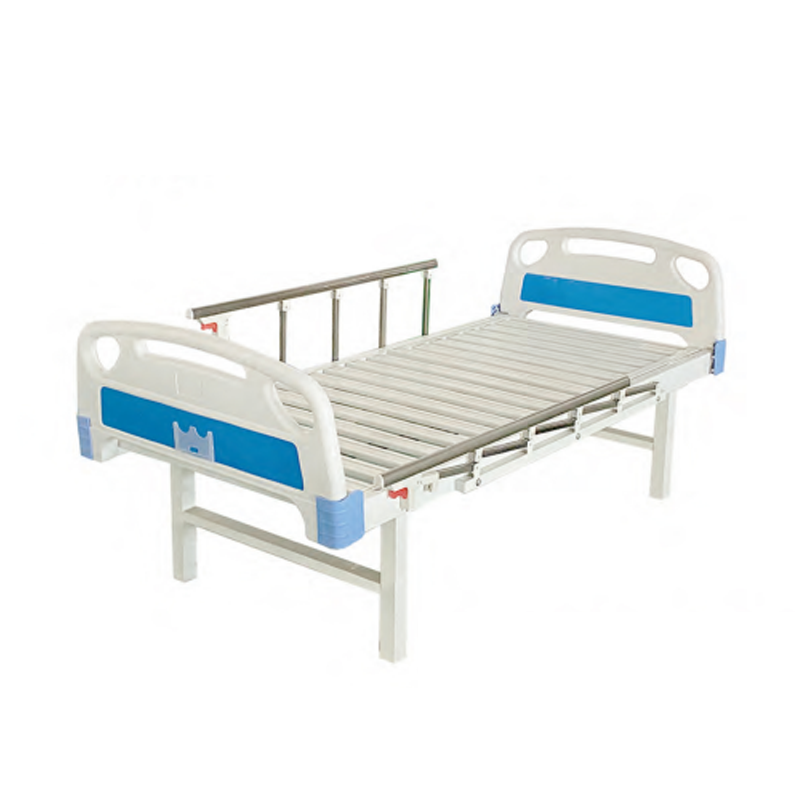
Understanding Manual Hospital Bed Configurations and Core Benefits
What Defines a Manual Hospital Bed in Clinical Settings?
Hospital beds that operate manually depend on simple mechanical parts like hand cranks or levers to make adjustments, so there's no requirement for any kind of motor or electronic control system involved. Because of this straightforward design, they work really well in places like small medical clinics, those urgent care spots people go to when something happens suddenly, and even at home for patients receiving ongoing care. The main reason? These locations often value things like lasting durability, minimal upkeep requirements, and not needing electricity to function properly. Most importantly, manual beds still handle all the basic positioning tasks that patients need during treatment, just without all the bells and whistles of high tech equipment.
Key Features and Advantages of Manual Hospital Beds
Core features include:
- Adjustable height: Simplifies patient transfers and improves caregiver access
- Locking casters: Provide stability during procedures and movement
- Manual crank systems: Enable head and foot section elevation for comfort
Their primary advantages are cost-effectiveness and reliability. Facilities save up to 60% compared to electric models (Medical Equipment Trends 2024), with fewer mechanical failures due to simpler construction. The absence of electrical components also lowers fire risks in compact clinical spaces.
Common Types of Manual Hospital Beds and Their Structural Differences
| Type | Structural Features | Clinical Use Case |
|---|---|---|
| Standard manual bed | Fixed side rails, basic crank adjusters | General patient recovery |
| Bariatric manual bed | Reinforced steel frame, wider surface | High-weight capacity clinics |
| Pediatric manual bed | Smaller dimensions, scaled safety rails | Children’s healthcare facilities |
Each type maintains the core benefits of simplicity and affordability while meeting specific patient and facility requirements.
Optimizing Clinic Space: Matching Manual Bed Designs to Small Layouts
How to evaluate clinic environment when selecting manual hospital beds
In tight clinical areas, checking door dimensions is essential. Most doors need at least 36 inches of space clear for wheelchair access, plus considering how much room staff need to turn around equipment. Divide up the space into different sections one area for actual treatments and another for storing supplies. Manual hospital beds work best here since they take up less space overall. Look for models with built-in IV pole holders that can be pulled out when needed and folded back away otherwise. The side rails should also fold down flat against the bed frame. Clinics that have rearranged their layouts following these kinds of ergonomic guidelines see noticeable improvements. Patient transfers happen about 22 percent quicker compared to clinics where everything just gets crammed wherever there's space left.
Patient access and traffic flow considerations with manual bed placement
Maintain at least 42 inches of aisle clearance between beds to accommodate wheelchairs and emergency equipment. Avoid placing beds directly opposite high-traffic doorways to prevent congestion.
| Placement Strategy | Space Saved | Accessibility Impact |
|---|---|---|
| Wall-aligned beds | 18% | High |
| Angled corner beds | 23% | Moderate |
Radial arrangements around centralized nurse stations improve response times but require larger open areas.
Compact and space saving manual hospital bed configurations for small clinics
Optimize limited space with these features:
- Nesting designs: Allow partial stacking during storage, reducing floor space needs by 34%
- Convertible backrests: Transform from flat surface to chair position, eliminating the need for separate seating
- Vertical storage: Integrated shelving replaces standalone medical carts
Facilities using three-in-one manual beds (treatment, storage, seating) achieve 19% higher space utilization efficiency.
Adjustability, Patient Care, and Caregiver Efficiency in Manual Beds
Crank Mechanisms vs. Fixed Frames: Understanding Manual Bed Adjustability
Manual beds with crank operated systems let staff adjust both height and backrest positions through those old fashioned hand cranks. These adjustments can be really helpful when setting up specific configurations needed for things like wound care situations or helping people with breathing issues. The downside though? Nurses and caregivers end up working about 15 to maybe even 20 percent harder compared to what they'd experience with electric beds according to some research from HyHealthcare Furniture back in 2025. Then there are these fixed frame beds which basically don't move around much at all. They tend to be sturdier overall since there aren't so many parts that could break down over time, cutting maintenance expenses somewhere around 40%. But this comes at a price too because patients who need their positions changed regularly throughout the day find themselves stuck with limited options when using these types of beds.
Manual vs. Electric Adjustments: Impact on Caregiver Workload and Efficiency
According to a 2024 ergonomic analysis, caregivers spend 30% more time adjusting manual beds, contributing to increased musculoskeletal strain over long shifts. While manual systems avoid power dependency, clinics managing multiple crank-operated units report 22% higher staff fatigue rates. This highlights the importance of balancing initial cost savings against long-term operational demands.
How Limited Adjustability Affects Patient Comfort and Clinical Outcomes
When patients can't move around much, staying in one position too long on manual hospital beds actually raises their chances of getting pressure sores by about 17%, according to research published in Clinical Care Journal last year. For those recovering from back injuries specifically, folks stuck in non-adjustable beds tend to regain movement abilities roughly 12% slower than those who have access to beds they can adjust themselves. On the flip side, even simple crank operated systems offer something pretty important though: the ability to tilt slightly which makes a big difference when feeding time comes around. This small feature helps stop food or liquids from going down the wrong pipe, something absolutely critical for hospitals trying to meet minimum safety requirements for patient care.
Cost-Effectiveness and Long Term Value of Manual Hospital Beds
Small clinics aiming to balance fiscal responsibility with quality care find manual hospital beds highly valuable. Priced between $500–$1,500 per unit (2024 Clinic Economics Report), they offer 40–60% upfront savings over electric models, freeing capital for other critical investments.
Affordable manual hospital bed solutions for budget-conscious clinics
Select models with standardized components to simplify repairs and reduce spare parts inventory. Leading manufacturers now offer 5-year mechanical warranties on crank systems, covering 72% of common failure points (2023 Long-Term Care Study). Steel-framed beds rated for 450 lbs deliver durability on par with electric versions at 35% lower lifetime costs.
Evaluating long-term value over initial purchase price
According to research from Johns Hopkins looking at 127 different clinics back in 2023, manual hospital beds actually cost about 63 percent less each year for maintenance because they just don't have as many moving parts as their electric counterparts. When there's a blackout or something goes wrong with the electrical system, these manual beds stay working around 98% of the time, while electric models only manage about 89%. Think about what that means for a small clinic with 20 beds running across ten years. The numbers add up pretty fast when considering all those days without service interruptions and repairs that never happen. We're talking somewhere around $740k saved just by not dealing with all those breakdowns and waiting for technicians to fix things.
Budget planning for scaling manual bed procurement in small clinics
Volume purchasing agreements yield 12–15% per-unit savings for clinics buying five or more beds annually. A 2024 survey found that facilities using 3-year replacement cycles reduced capital costs by 18% through trade-in programs. Incorporating $200–$400 in annual maintenance reserves per bed into multi-year budgets supports predictable scaling without unexpected financial strain.
Durability, Maintenance, and Operational Simplicity of Manual Beds
Why fewer mechanical parts mean lower maintenance and higher reliability
Manual hospital beds don't have any motors or electronic components, which cuts down on things that can go wrong by around 70-75% when compared to their electric counterparts according to Medical Equipment Trends from last year. These beds rely on basic crank systems and strong steel construction that just doesn't need much fixing over time. Hospitals and clinics tell similar stories about savings too, with many seeing about 30-40% reductions in yearly repair bills. For facilities operating on tight budgets or in areas without reliable power sources, this kind of dependable equipment makes all the difference. When a bed breaks down in these situations, it's not just an inconvenience but often means patients get delayed care or have to be moved somewhere else entirely.
Durability of manual hospital beds under frequent clinical use
Manual bed frames have been put through rigorous stress tests and can handle repeated weight loads well beyond 500 pounds without showing any signs of structural issues. The joints are coated with a special polyester material that stands up against the harsh chemicals used during regular cleaning routines. Most facilities find these beds still performing reliably after around 8 to 10 years of constant use in their wards. Electric beds tell a different story altogether when it comes to moisture resistance. Manual models don't have those complicated electrical components that get damaged by spills or humidity. That makes them particularly suitable for places like rehab centers where patients might accidently knock over water bottles, or nursing homes where bathrooms tend to be quite damp throughout the day.
Staff training and ease of operation with manual bed handling
Most caregivers master manual bed adjustments within 30 minutes due to intuitive crank designs. Facilities using standardized operating protocols see an 89% reduction in adjustment errors compared to electric beds that require navigating digital interfaces. This simplicity allows clinical teams to focus on patient care rather than troubleshooting technical malfunctions.
Table of Contents
- Understanding Manual Hospital Bed Configurations and Core Benefits
- Optimizing Clinic Space: Matching Manual Bed Designs to Small Layouts
- Adjustability, Patient Care, and Caregiver Efficiency in Manual Beds
- Cost-Effectiveness and Long Term Value of Manual Hospital Beds
- Durability, Maintenance, and Operational Simplicity of Manual Beds