
 EN
EN
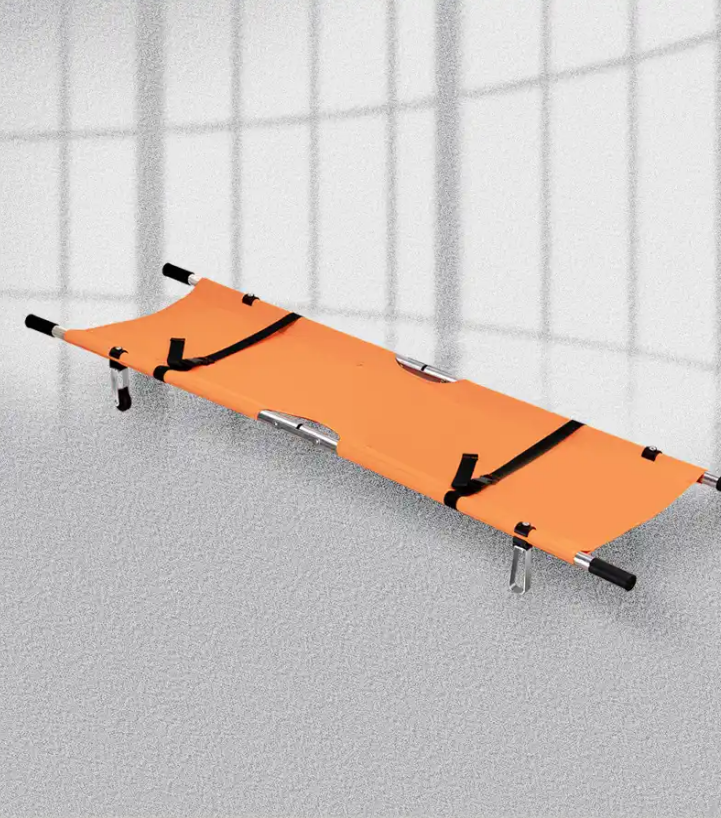
Robust Structural Durability and Material Quality
Reliable stretchers for emergency transport start with uncompromising structural durability, built from high-grade materials that withstand the extreme conditions of pre-hospital care and inter-facility transport. Medical device manufacturers focused on quality craft these stretchers with industrial-grade steel alloys, lightweight aluminum, and reinforced composite materials—materials chosen for their exceptional strength-to-weight ratio, resistance to corrosion, and ability to bear heavy patient loads without bending or warping. These materials align with the strict quality standards of medical equipment production, ensuring the stretcher frame remains stable during ambulance transit, stair navigation, and rough terrain movement, even when carrying bariatric patients or those with bulky medical equipment.
The construction of reliable emergency stretchers also features reinforced joints, heavy-duty hinges, and seamless welds that eliminate weak points in the frame. Every component, from the bed surface to the support legs, is engineered to endure repeated use and physical stress, with no loose parts that could fail in a critical emergency scenario. Additionally, the bed surface material is selected for its tear resistance, water proofing, and easy sanitization—key for infection control in emergency care—while maintaining enough give to support patient comfort during transport. This focus on material quality and structural integrity ensures the stretcher is not just a transport tool, but a stable foundation for life-saving care en route to the hospital.
Advanced Maneuverability and Mobility Features
Maneuverability is a defining characteristic of reliable emergency transport stretchers, as EMS responders often operate in tight, challenging spaces—from cramped car interiors and narrow hallways to uneven outdoor terrain. Top-tier stretchers integrate 360-degree swivel wheels with lockable brakes, allowing responders to navigate tight corners and sudden turns with precision, while the brake system ensures the stretcher stays firmly in place during patient loading, unloading, and emergency care administration. Many reliable stretchers also feature height-adjustable frames, with hydraulic or electric lifting mechanisms that let responders lower the stretcher to ground level for easy patient transfer and raise it to ambulance height without manual heavy lifting, reducing the risk of provider injury and speeding up transport times.
Lightweight design further boosts mobility without sacrificing durability, with modern stretchers weighing significantly less than traditional models while still supporting high weight capacities. Foldable and collapsible features add to the maneuverability, allowing stretchers to fit into compact ambulance storage spaces or be carried through narrow doorways and stairwells when wheeled movement is impossible. For outdoor emergency scenarios, some stretchers include off-road wheels with rugged treads that grip dirt, gravel, and grass, ensuring stable transport even in non-paved areas. These mobility features turn the stretcher into a highly adaptable tool that meets the unpredictable demands of emergency transport, no matter the environment.
Comprehensive Patient Safety and Stabilization Systems
Reliable emergency stretchers are equipped with a suite of patient safety and stabilization features that prevent secondary injuries and maintain proper body alignment during transport—an absolute necessity for patients with traumatic injuries, spinal cord damage, or unstable vital signs. Core safety features include adjustable side rails that lock into place to prevent falls, secure harness and strap systems that immobilize the patient without restricting circulation or breathing, and contoured bed surfaces that cradle the body to avoid shifting during sudden stops or sharp turns. For patients with spinal or neck injuries, stretchers integrate compatible head immobilizers and backboards that create a rigid transport surface, ensuring the spine remains in a neutral position throughout the emergency response.
Shock-absorbent suspension systems are another critical safety feature of reliable stretchers, cushioning the impact of bumpy roads, potholes, and uneven ground to minimize jostling that could exacerbate internal or external injuries. This feature is especially vital for patients with broken bones, head injuries, or cardiovascular distress, as it keeps the body stable and reduces physiological stress during transport. Additionally, reliable stretchers include non-slip bed surfaces that prevent the patient from sliding, even when the stretcher is tilted for CPR or to manage hypotension. Every safety feature is intuitive to use, with quick-release buckles and easy-adjust dials that let EMS responders secure and adjust the patient in seconds—critical in high-stakes emergency scenarios where every moment counts.
Integrated Medical Access and Equipment Compatibility
A reliable emergency transport stretcher acts as a mobile care station, with integrated features that provide unobstructed medical access to the patient and seamless compatibility with essential EMS equipment. These stretchers are designed with cutouts and open side panels that let responders perform CPR, administer IV therapy, and monitor vital signs without having to reposition the patient or move the stretcher. Many models include built-in mounting points for IV poles, oxygen tank holders, and medical monitor brackets, keeping all life-saving equipment within arm’s reach and eliminating the need for separate stands that can tip or take up valuable space in the ambulance.
Compatibility with standard hospital and EMS equipment is another key characteristic, with reliable stretchers built to universal sizing standards that allow easy connection to ambulance gurneys, hospital beds, and imaging machines. This eliminates the need to transfer the patient to a different surface upon arrival at the hospital, minimizing interruptions to care and reducing the risk of injury during transfer. Some advanced stretchers also include built-in data ports that sync with electronic health record (EHR) systems, letting responders record vital signs and treatment administered directly on the stretcher—information that is instantly shared with hospital staff for seamless care coordination. This integration of medical access and equipment compatibility ensures the stretcher supports continuous, unbroken care from the emergency scene to the hospital emergency department.
Low Maintenance and Long-Term Reliability
Reliable emergency stretchers are engineered for low maintenance and long-term performance, a critical characteristic for EMS agencies that rely on their equipment for daily, high-volume use. Every component of the stretcher is designed for easy cleaning and upkeep, with wipe-clean surfaces that resist bodily fluids, chemicals, and microbial growth—simplifying infection control protocols and reducing the time spent on sanitization between uses. Moving parts such as wheels, hinges, and lifting mechanisms are sealed to prevent dust and debris buildup, with lubricated components that require minimal servicing and replacement, even after years of heavy use.
The spare parts for reliable stretchers are also widely available and easy to install, with no specialized tools required for routine repairs or component replacement. Manufacturers of these stretchers adhere to strict quality control processes, with comprehensive testing of every unit before shipping to ensure zero defects and consistent performance. This focus on low maintenance and long-term reliability means the stretcher remains a dependable tool for EMS teams, with minimal downtime and replacement costs—an essential factor for agencies operating on tight budgets. When combined with durable materials and robust construction, low maintenance ensures the stretcher delivers consistent, reliable performance for years, even in the most demanding emergency transport conditions.
In emergency medical services, the reliability of a stretcher directly impacts patient outcomes and responder efficiency, making its core characteristics non-negotiable for pre-hospital care. From robust structural durability and advanced maneuverability to comprehensive safety systems, integrated medical access, and long-term low maintenance, every feature of a reliable emergency transport stretcher is engineered to meet the unique, high-stakes demands of emergency care. For medical device manufacturers, crafting reliable stretchers means adhering to the strictest quality standards, using premium materials, and prioritizing the needs of both patients and EMS responders—ensuring that this essential tool is always ready to perform when every second matters in an emergency.