
 EN
EN
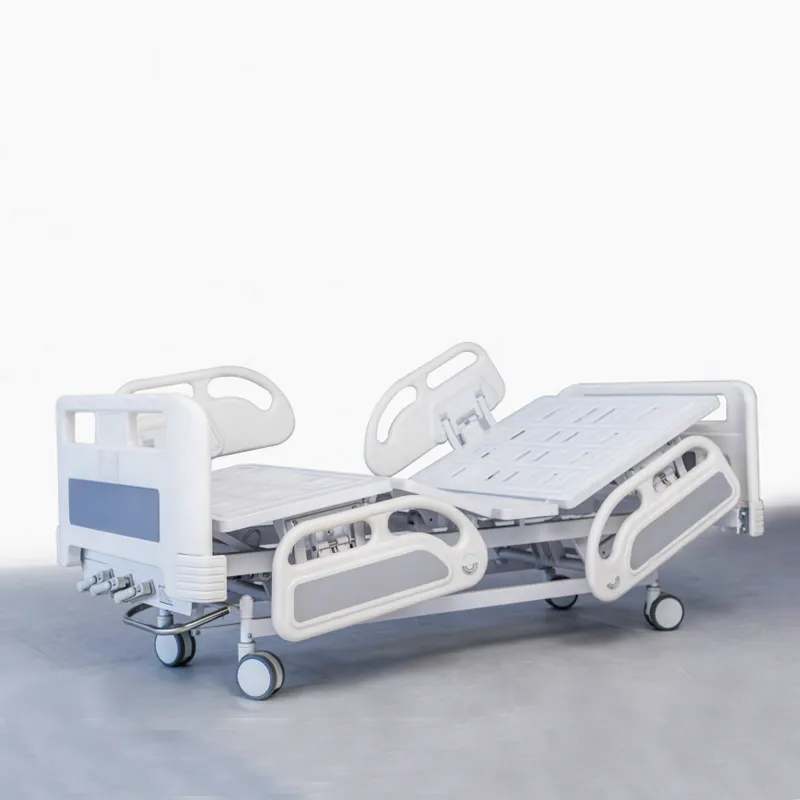
How Hospital Bed Technology Impacts Patient Recovery and Care Efficiency
The Influence of Hospital Bed Selection on Clinical Recovery Timelines
The time it takes for patients to recover clinically is closely tied to how functional their hospital beds are. Research from AHRQ in 2022 shows adjustable positioning systems cut down pressure injuries by around 58% when compared to regular static surfaces. Hospital beds also come equipped with mobility enhancing features such as ultra low height settings and automatic side rail systems which help prevent falls. For those recovering after surgery, beds featuring dynamic support surfaces allow earlier movement without risk, something really important for avoiding issues like pneumonia development and dangerous blood clot formation during recovery stays.
Evidence: Reduced Hospital Stays With Advanced Bed Systems
According to a study from the Agency for Healthcare Research and Quality back in 2022, when looking at data from 32 different hospitals, they noticed something interesting about those places that had started using these smart hospital beds with ongoing pressure monitoring capabilities. The average length of stay for patients dropped by around 1.7 days in those facilities. What makes these beds so effective? Well, they can actually change the firmness of the mattress on their own and keep tabs on when patients need to be moved around. This has led to a pretty impressive reduction in pressure ulcers too, down by about 41%. And there's another benefit worth mentioning here. Nurses working in these hospitals reported having roughly 22 extra minutes each shift to spend on actual hands-on patient care instead of just routine tasks related to bed management.
Matching Bed Functionality to Patient Acuity Levels for Optimal Outcomes
Critical care patients require hospital beds with 360° access and ICU-grade articulation for emergency interventions, while rehabilitation units prioritize beds with sit-to-stand assist features. Over 63% of hospital-acquired injuries occur when bed capabilities mismatch patient mobility needs, underscoring the importance of tiered equipment protocols based on real-time condition assessments.
Case Study: Improved Recovery Metrics After Implementing Fully Electric Beds in a Midwest Medical Center
A 450-bed Midwest hospital replaced 80% of manual hospital beds with fully electric models over 18 months, resulting in:
| Metric | Improvement | Timeframe |
|---|---|---|
| Pressure injury rates | 38% decrease | 12 months |
| Physical therapy starts | 2.1 days sooner | 6 months |
| Nurse turnover | 19% reduction | 18 months |
Recent analyses attribute these gains to automated height adjustments and integrated safety alerts that reduced caregiver musculoskeletal injuries by 27%.
Manual vs. Semi-Electric vs. Fully Electric Hospital Beds: Performance and Practicality Compared
Functional differences and operational impact of each hospital bed type
Hospital beds operated manually depend completely on those old fashioned hand cranks for adjusting height and position, typically priced between $500 to $1,000. They last a long time sure enough, but nurses and aides end up straining themselves quite a bit when making these adjustments. According to research published in 2023 by ergonomics experts, healthcare workers using manual beds face about 34% higher risk of getting injured than when working with beds that have motors. Then there are semi electric versions which cost roughly $600 to $1,800 on average. These beds take care of raising and lowering the head and foot sections automatically, though caregivers still need to crank them up and down manually for height changes. Not bad for cutting some of the workload though. The top tier option comes in at $1,200 all the way up to $4,000 for fully electric hospital beds. With these advanced models, everything from basic height adjustments to specialized positions like Trendelenburg and full body alignment can be done with just one button press.
| Feature | Manual Beds | Semi-Electric Beds | Fully Electric Beds |
|---|---|---|---|
| Positioning Control | Crank-operated | Electric head/foot, manual height | Full electric adjustments |
| Daily Care Time | 22 mins (avg) | 15 mins | 8 mins |
| Fall Risk | High during adjustments | Moderate | Low |
As recent healthcare technology analyses note, semi-electric models reduce position-change effort by 40% compared to manual beds but still lag behind fully electric systems in critical care efficiency.
Effects on caregiver workload reduction and patient independence
Electric hospital beds can slash the time needed for patient repositioning by around 63%, according to data from AHRQ in 2022. These beds let patients get into therapeutic positions on their own, such as the Fowler position at angles between 45 and 60 degrees, without needing help from staff. The freedom these beds provide seems to be making a real difference too. Patients who use them tend to spend about 28% less time in rehabilitation after surgery. What about semi electric models? They give mixed results really. The automatic head elevation feature does benefit people with breathing issues, but adjusting the bed height manually still causes delays during transfers and leads to extra strain on caregivers who have to do it repeatedly throughout their shifts.
Cost-benefit analysis of upgrading from manual to electric hospital beds
Manual hospital beds might cost less initially, but many facilities are finding they actually spend more long term. One hospital chain reported saving around $18k each year per electric bed just from having fewer staff injuries and turnover issues. Take a clinic in the Midwest for instance. They did some number crunching and found that their fully electric beds basically paid for themselves in just over a year. Why? Because moving patients took half the time compared to manual beds (about 9 minutes versus 22), plus there were 19 percent fewer pressure sores developing. Budget conscious places can still get benefits without going all in on expensive models. Semi electric options work great as a middle ground. These cut down on the physical labor needed for adjustments by about half while costing only about 55% of what a full electric model would set them back. Makes sense when looking at both staff safety and bottom line considerations.
Specialty Hospital Beds in Critical Care: ICU and CCU Models That Support Recovery
ICU Hospital Beds With Integrated Monitoring and Therapeutic Positioning
The latest generation of ICU hospital beds brings together therapeutic positioning techniques with continuous health monitoring capabilities to better care for seriously ill patients. Most models come equipped with electric controls that let staff adjust bed height, backrest angles, and even set up Fowler positions quickly when needed for breathing assistance or managing wounds. The beds also have built-in sensors that keep tabs on important vitals like heart rate, blood oxygen levels, and whether someone tries to get out of bed unexpectedly, sending all this information straight to nursing stations across the hospital. Take reverse Trendelenburg positioning for instance it really helps patients dealing with problems related to increased pressure inside their skull area. And studies from NIH show that regular side-to-side rotations can cut down the chances of getting ventilator-associated pneumonia by around 18% compared to beds that stay in one position all day long. Plus, these modern beds work seamlessly alongside ventilators and dialysis equipment, creating what many hospitals now call an integrated treatment space where multiple therapies happen at once without disrupting patient comfort.
CCU Beds and Their Compatibility With Cardiac Life-Support Systems
Coronary care unit (CCU) beds are engineered to interface with life-saving cardiac technologies like intra-aortic balloon pumps and extracorporeal membrane oxygenation (ECMO) systems. Key features include:
- Cardiac chair positioning that elevates torso and legs to reduce myocardial workload
- Radiolucent sections for uninterrupted imaging during catheterization procedures
- Side rail controls for emergency defibrillator access
A Midwest hospital reported 22% faster response times during cardiac arrests after upgrading to CCU beds with centralized telemetry feeds. These models also minimize electromagnetic interference between bed components and pacemakers through shielded wiring architectures.
Controversy: Overuse of Critical Care Beds in Non-Critical Patients
ICU and CCU beds definitely help when treating seriously ill patients, but according to recent research from the Journal of Critical Care (2023), around one third of US hospitals actually use these specialized beds for patients who don't really need them. Why? Sometimes it's because they have extra equipment lying around, other times hospitals get paid better for using intensive care resources. The problem is this approach costs between $1200 and $1800 more each day than regular hospital beds would cost. And it creates all sorts of problems for medical staff who specialize in life saving procedures but end up caring for patients who could be somewhere else. There's some good news though. New tools like the Early Bed Appropriateness Screening Tool or E-BAST are starting to make a difference. Hospitals running pilot programs report cutting down on unnecessary ICU bed usage by about 40 percent just by matching patients with appropriate beds based on computer algorithms that look at medical records and other factors.
Adjustability and Mobility Features That Enhance Early Recovery
Hospital Bed Adjustability and Its Role in Early Ambulation and Mobility Support
Hospital beds that can be adjusted into multiple positions help speed up recovery because they let patients move around safely and gradually. Studies indicate that when patients use beds set at about 35 to 45 degrees for knee bend and 15 degrees raised at the head, they start standing up almost two days sooner than those on regular beds according to Josr Online from 2025. The way these beds work follows how people naturally move, which cuts down on muscle weakness problems and keeps surgical areas protected during recovery. Many modern models also come with alarms that go off when someone tries to get out of bed, so medical staff can assist right away. This means patients can practice getting up and moving around much sooner after surgery without putting themselves at risk.
Fowler and Semi-Fowler Positions for Improved Respiratory and Circulatory Function
Positioning technology directly impacts physiological recovery:
- 30° Fowler position reduces ventilator-associated pneumonia risk by 18%
- 45° semi-Fowler decreases pulmonary edema incidence in cardiac patients
- 15° reverse Trendelenburg improves venous return post-orthopedic surgery
A 2023 clinical mobility report found optimal positioning cycles (every 2–4 hours) reduce ICU delirium rates by 27%.
Low-Profile Hospital Beds for Fall Prevention and Post-Surgical Safety
Recent ADA-compliant designs combine 12–14" mattress heights with 360° bed edge lighting, resulting in:
| Feature | Impact | Evidence |
|---|---|---|
| Gradual lowering mechanism | 41% fewer nighttime falls | Midwest trauma registry 2024 |
| Non-reflective rail surfaces | 33% reduced disorientation | Geriatric mobility study |
| Contoured exit pathways | 58% faster nurse response times | Rehabilitation nursing metrics |
Pressure Ulcer Prevention and Smart Bed Innovations in Recovery-Centered Design
Preventing Pressure Ulcers with Specialized Mattresses and Automated Repositioning
Hospital beds today fight against pressure sores by incorporating smart surfaces that actually move around. The newer mattress designs have those special air chambers that switch on and off, shifting where the patient's weight lands roughly every ten to fifteen minutes. This helps take the constant pressure off spots prone to damage, particularly the bony parts of the backside and the heels. A study published back in 2020 found something pretty impressive too. When hospitals used these advanced mattress systems along with automatic turning routines for patients, they saw about a forty-two percent drop in moderate to severe pressure wounds according to research from the Journal of Rehabilitation and Assistive Technology Engineering. That kind of improvement makes a real difference in patient outcomes.
NIH Evidence on the Efficacy of Alternating Pressure Mattresses
Clinical evidence confirms alternating pressure systems reduce ulcer incidence by 62% compared to static surfaces in high-risk patients. The NIH-endorsed REPOSiTION study (2022) found these systems shorten healing times by 5.2 days on average while decreasing associated treatment costs by $8,700 per patient.
Smart Hospital Beds with EHR Integration and AI-Driven Predictive Alerts
Smart beds of the next generation are starting to connect right into electronic health records systems, tracking things like how patients shift positions and monitoring their skin condition without any manual input needed. The artificial intelligence behind these beds looks at pressure points as they happen, sometimes catching signs of potential ulcers days before anyone can actually see them forming on the skin. Hospitals that have started using this technology tell us their ICU readmission rates for ulcers dropped around 35 percent after they hooked up these predictive tools with alerts that let nurses know when patients might be at risk.
Table of Contents
-
How Hospital Bed Technology Impacts Patient Recovery and Care Efficiency
- The Influence of Hospital Bed Selection on Clinical Recovery Timelines
- Evidence: Reduced Hospital Stays With Advanced Bed Systems
- Matching Bed Functionality to Patient Acuity Levels for Optimal Outcomes
- Case Study: Improved Recovery Metrics After Implementing Fully Electric Beds in a Midwest Medical Center
- Manual vs. Semi-Electric vs. Fully Electric Hospital Beds: Performance and Practicality Compared
- Specialty Hospital Beds in Critical Care: ICU and CCU Models That Support Recovery
- Adjustability and Mobility Features That Enhance Early Recovery
- Pressure Ulcer Prevention and Smart Bed Innovations in Recovery-Centered Design