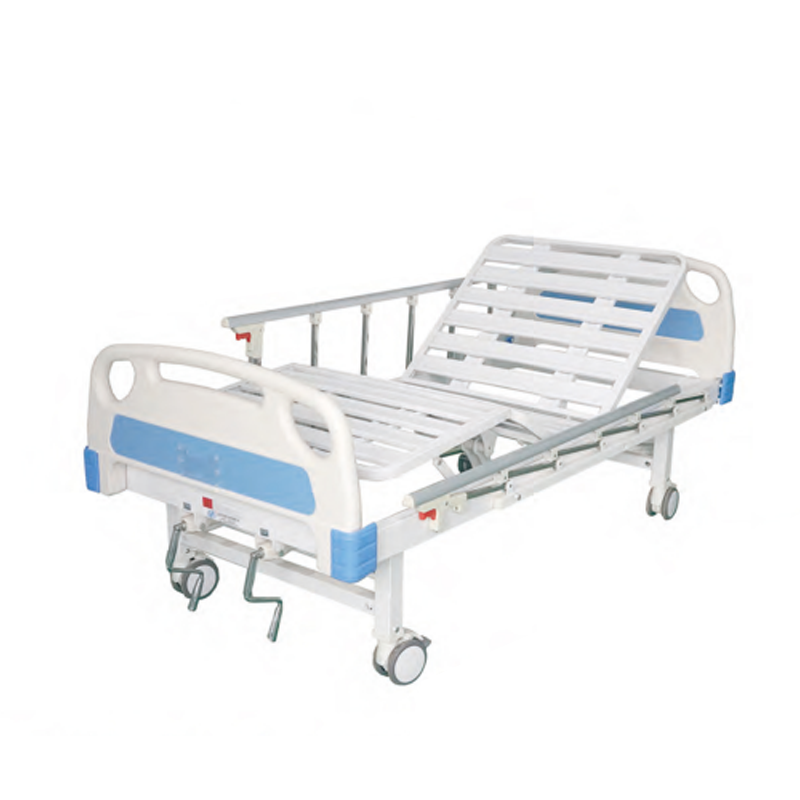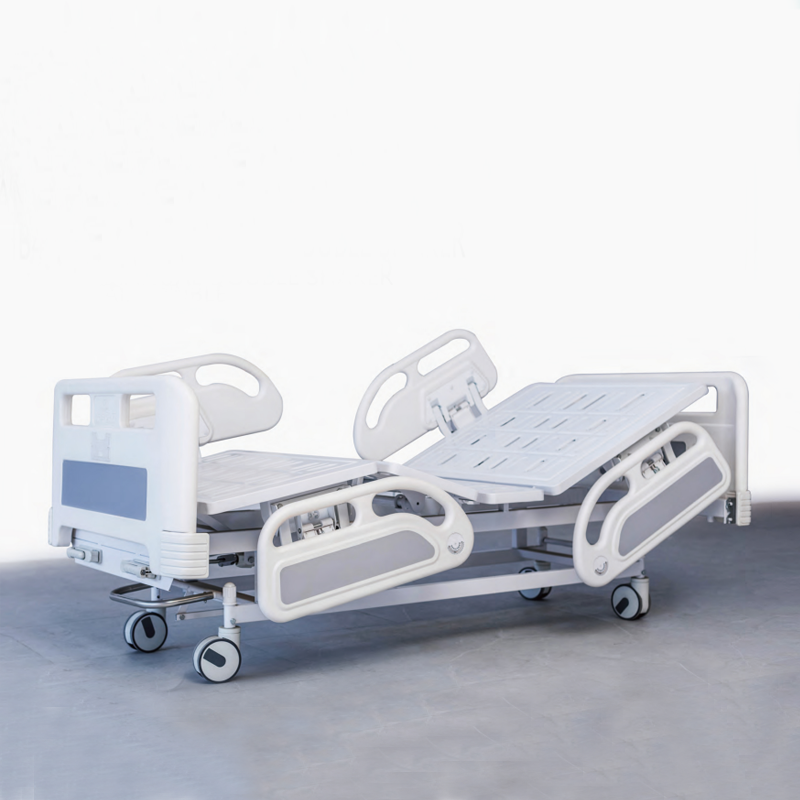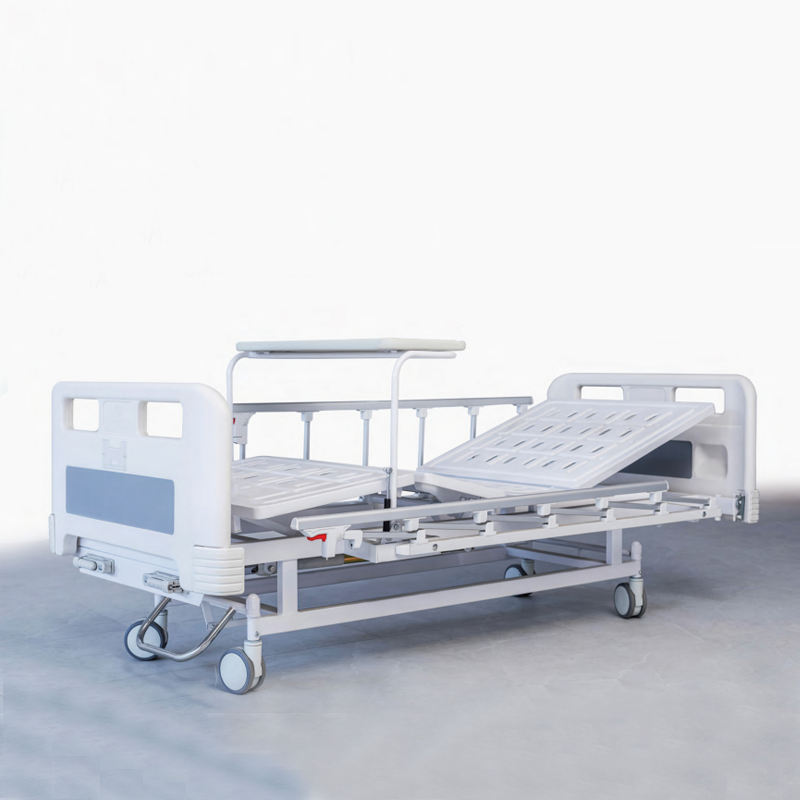

The manual hospital bed incorporating stain resistant fabric represents a significant advancement in infection control and maintenance efficiency through smart material selection. These specialized fabrics are engineered at the molecular level using advanced technologies such as fluorochemical treatments that create a protective barrier at the fiber surface, causing liquids to bead up and roll off rather than being absorbed. The fabric construction typically features tight weave patterns with density exceeding 10,000 filaments per square inch, preventing microbial penetration while maintaining breathability and patient comfort. Many treatments incorporate antimicrobial agents like silver ions or quaternary ammonium compounds that inhibit bacterial growth within the fabric matrix. These materials demonstrate exceptional resistance to common hospital contaminants including blood, iodine, betadine, ink, and food substances, allowing for easy cleaning with standard hospital disinfectants without degradation of protective properties. The stain resistant characteristics are integrated throughout the entire fabric structure rather than being a surface application, ensuring lasting performance through repeated laundering and sterilization cycles. This technology significantly reduces cross contamination risks, decreases cleaning time and chemical usage, and maintains professional appearance over extended service life. The feature proves particularly valuable in high turnover patient areas, long term care settings, and home environments where maintenance resources may be limited, contributing to both infection control protocols and operational efficiency.