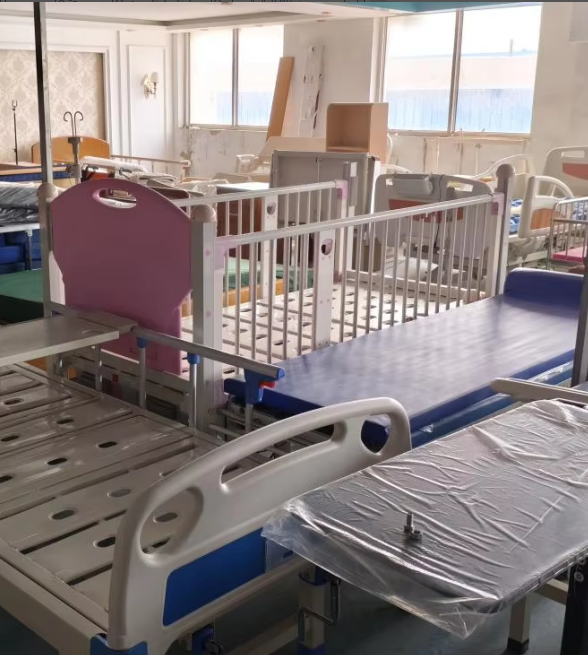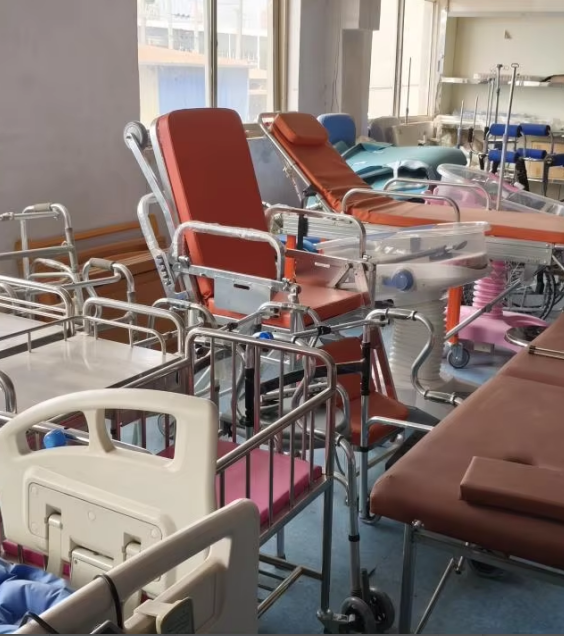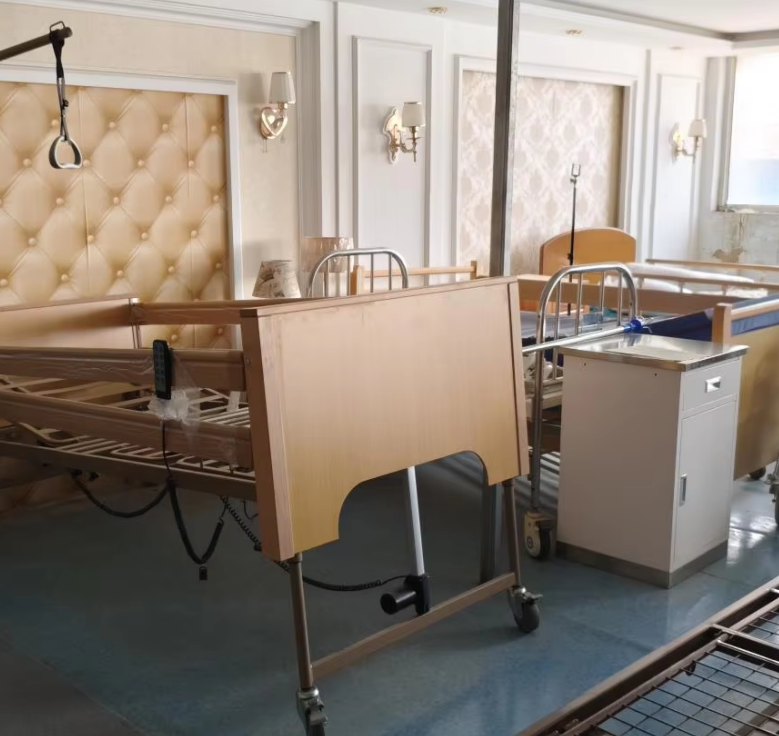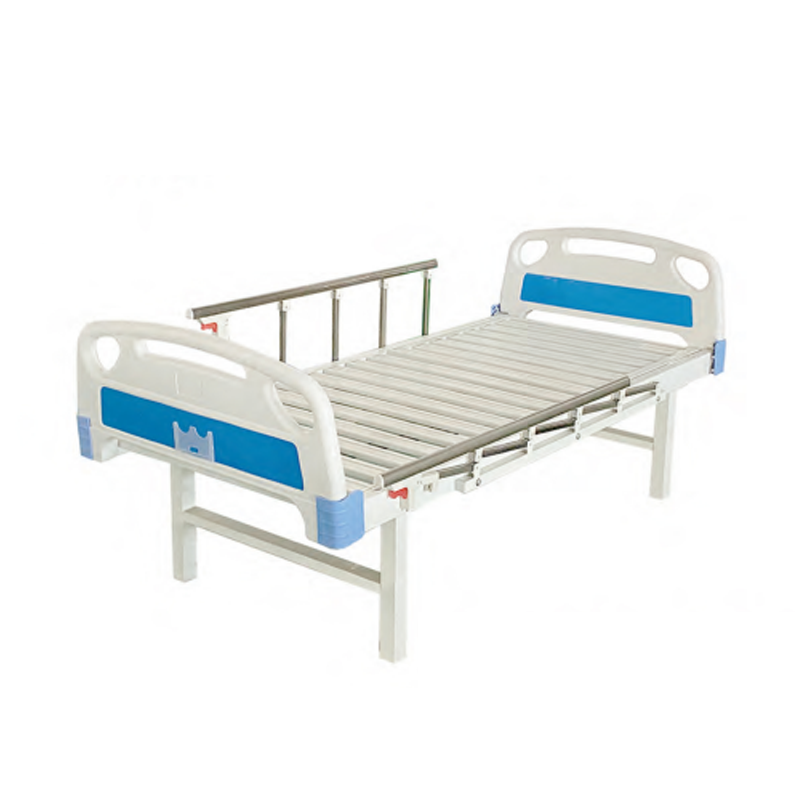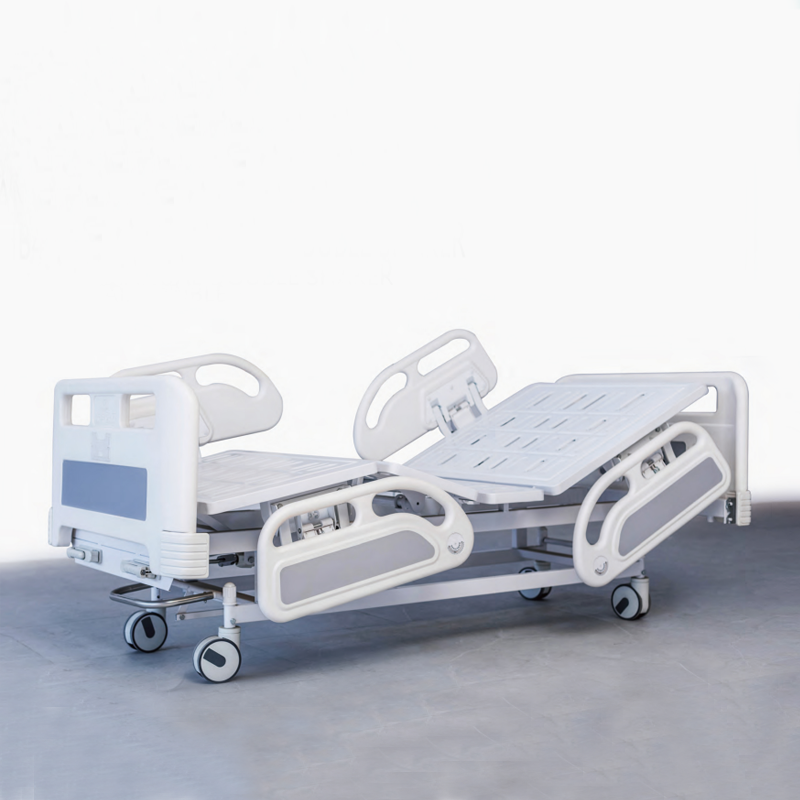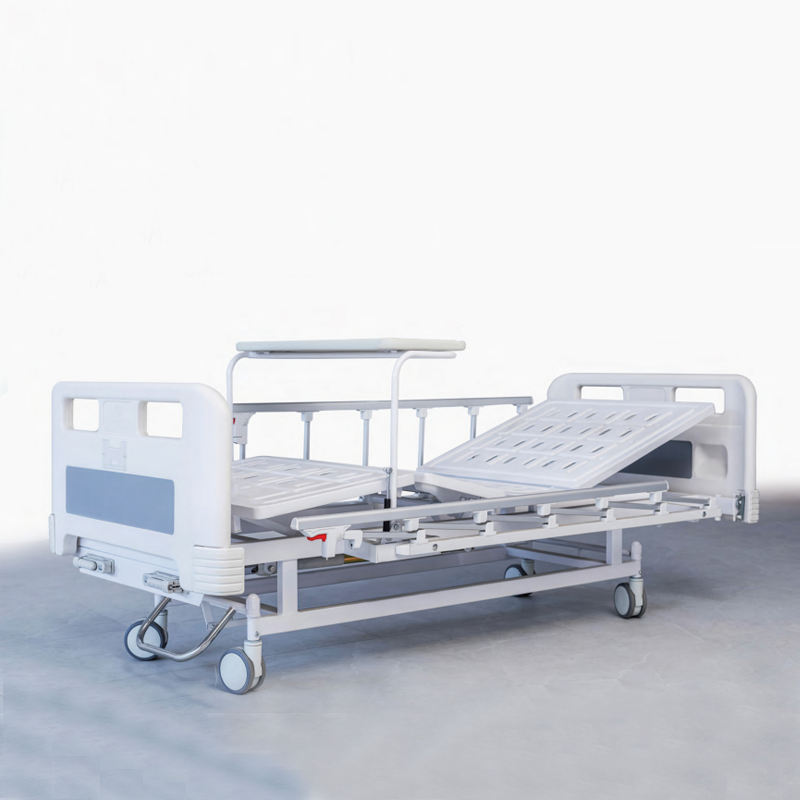

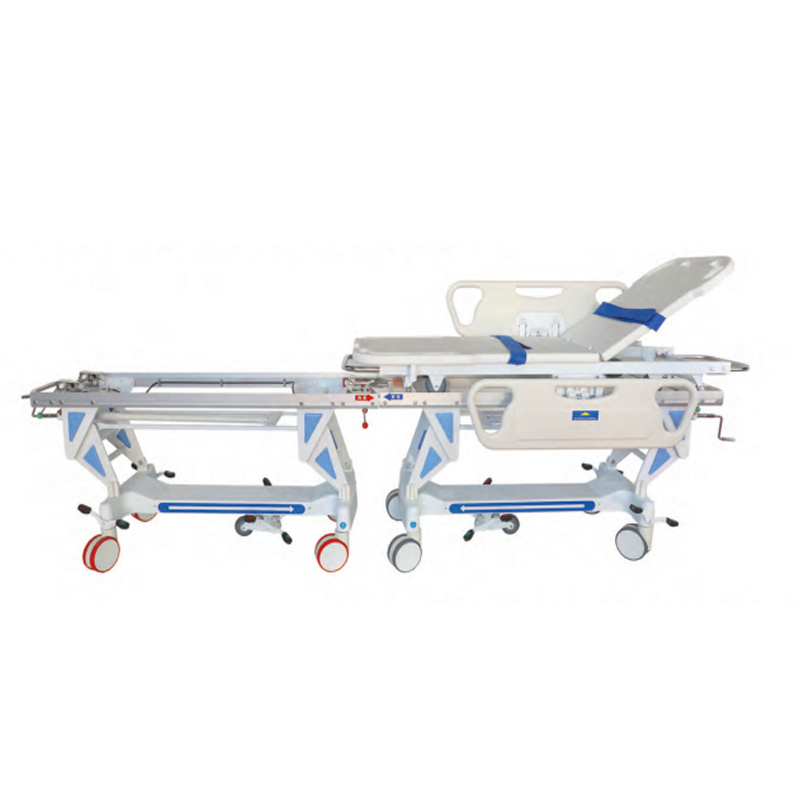
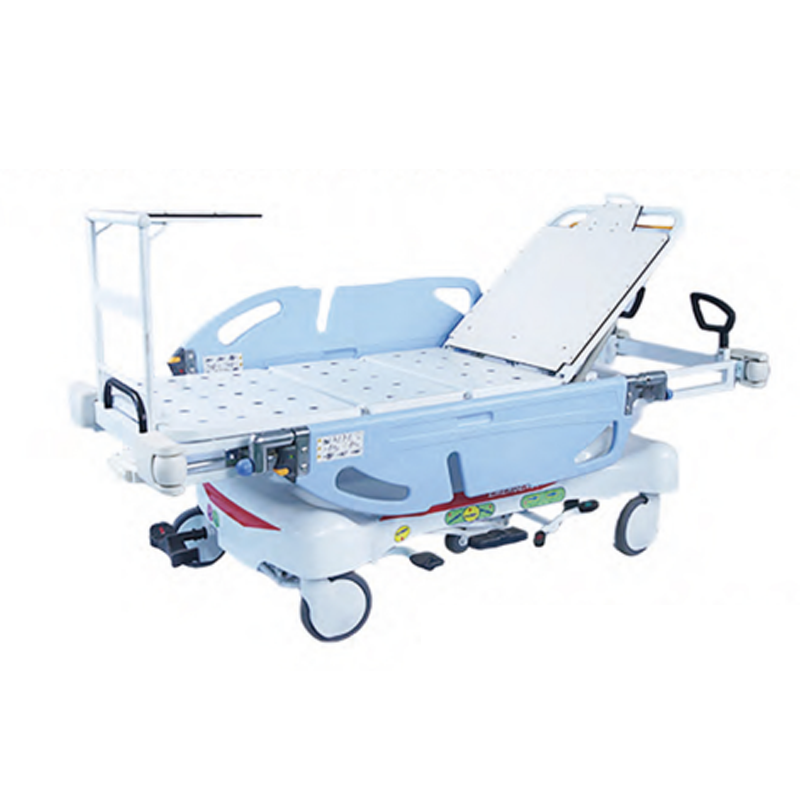
A manual hospital bed with adjustable height, often referred to as a high low function, is a fundamental feature that significantly enhances patient safety, caregiver ergonomics, and overall care quality. The height adjustment is typically achieved through a manual crank or a hydraulic pump mechanism that raises or lowers the entire sleeping surface. This functionality serves two critical purposes. Firstly, in its lowest position, the bed lowers the patient close to the floor, acting as a vital fall prevention measure and minimizing the impact should a fall occur. Secondly, in its highest position, it brings the patient to an optimal height for caregivers to perform tasks such as assessments, dressing changes, and patient transfers without excessive bending or stooping, thereby reducing the strain on their backs and shoulders. This ergonomic benefit is crucial for preventing work related musculoskeletal disorders among nursing staff. The ability to find an ideal height also facilitates easier and safer patient egress and ingress. Combined with the manual articulation of the head and foot sections, this bed offers a comprehensive, non electric solution for promoting patient independence, ensuring caregiver safety, and adapting to various clinical and personal needs in settings ranging from home care to general hospital wards.