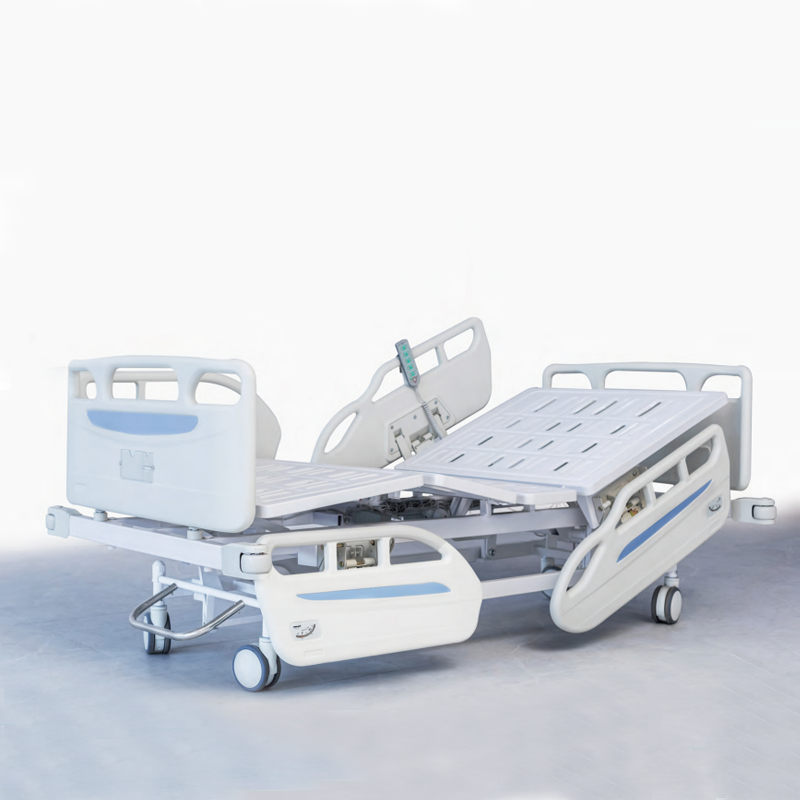
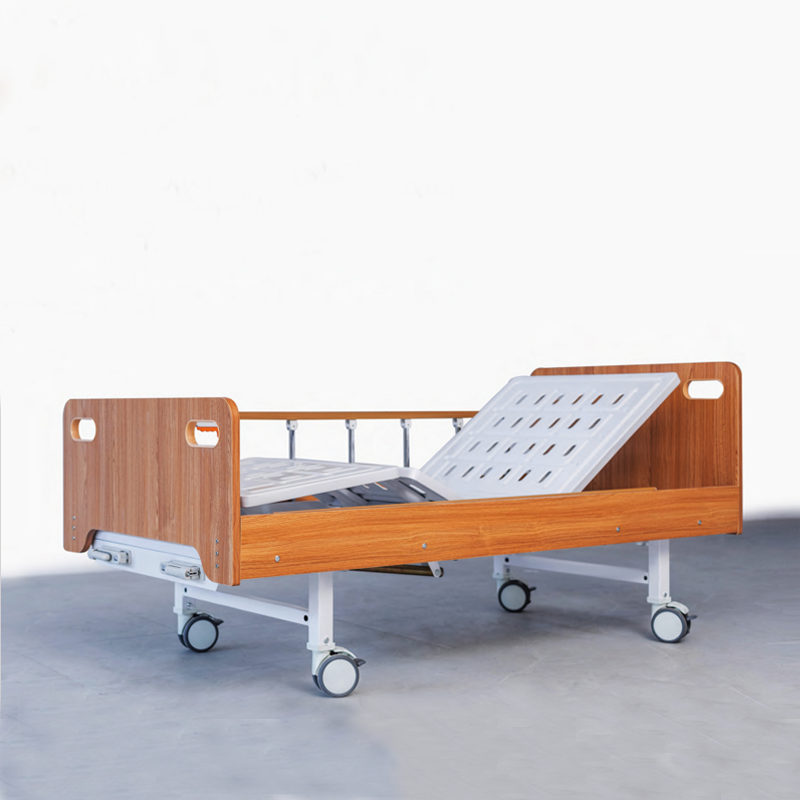
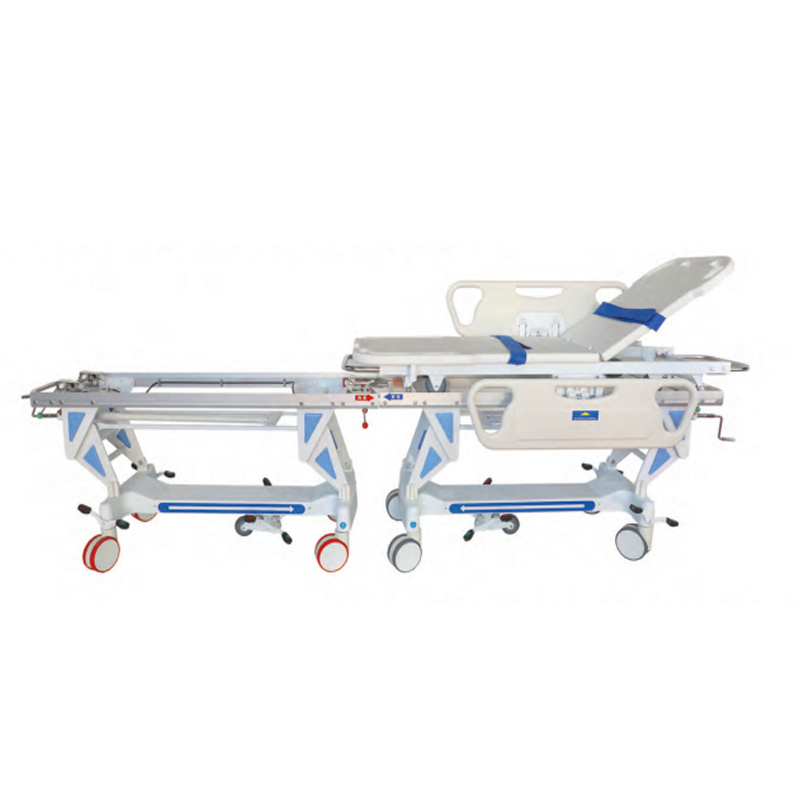
Electric hospital beds these days come equipped with automatic repositioning features that really help improve patient outcomes in clinical settings. Most models have built-in turning cycles set for about 15 to 30 minute intervals, which spreads out the pressure points on a person's body. This simple adjustment actually lowers the chances of tissue damage when someone can't move around much for long periods. When beds tilt sideways, it makes breathing easier because the diaphragm works better and helps clear mucus from lungs. Patients suffering from COPD or needing extra help with breathing tend to benefit most from this feature. Putting someone in the Trendelenburg position where their head is lower than their feet by about 5 to 15 degrees boosts blood flow back to the heart by roughly 18% during low blood pressure situations. The opposite position helps control brain pressure for folks in serious neurological conditions. All these programmed movements take the guesswork out of manual bed adjustments and keep important angles consistent throughout treatment.
Research conducted across multiple sites in 2023 showed that when hospitals used automated positioning systems instead of regular beds, they saw a drop of around 42% in Stage II and higher pressure injuries. The reason? These systems make tiny movements throughout the night that take pressure off sensitive spots like the sacrum and heels while still letting patients get good rest. Looking at over 12,000 days of patient data, staff compliance with proper positioning jumped from just 63% when done manually to nearly perfect at 98% once automation was in place. That dramatic improvement directly led to fewer wounds developing. Facilities that added real time pressure maps to their automated systems saved approximately $740k each year on treating pressure injuries alone. And there's another benefit too: nurses gained back about 22 hours every week that they could spend directly caring for patients rather than constantly adjusting positions manually.
Hospital beds that can be adjusted between 17 to 23 inches in height make life easier for caregivers when they need to transfer patients, change linens or tend to wounds all while keeping their own spines in a natural position. The adjustable range works great for both wheelchair level access and tasks where caregivers stand at bedside, cutting down on back pain especially when moving patients who can't walk around themselves. Studies indicate that getting the bed height right along with proper backrest settings cuts down injuries among staff by roughly 30 percent. Features like preset positions for things like breathing support (known as Fowler's angle) plus automatic adjustments for tilting really streamline work processes in clinical settings.
Fall prevention systems today go beyond simple passive alarms by incorporating predictive technology for exit detection. Pressure sensitive mats work alongside infrared sensors to monitor how patients move around their beds compared to what's normal for them based on medical records. When something looks off, it triggers a call alert system even before someone gets completely out of bed. These alerts pop up right away on staff pagers across the facility. The alarm systems keep working when there's no electricity either because they have backup batteries built in, which tests show works about 99 times out of 100. What makes these systems really effective is how they check bed position information against vital signs data too. This helps cut down on unnecessary warnings while still catching real problems early enough so nurses can help patients move safely around the hospital.
Patients can now easily adjust their bed height, backrest angle, and leg position using simple one-touch controls on the bedside panel. No more hunting through complicated button sequences - just press what they need and get comfortable again after surgery or injury. The system also comes with customizable memory settings so individuals can store their favorite positions for things like reading a book, having meals, or simply getting some rest. Studies have found that giving patients this kind of control actually cuts down on unexpected bed exits by around 30 percent and helps them stick better to their prescribed pain management plans. Inside these devices are smart sensors that keep track of how people move around in bed. They only notify nursing staff if someone tries something potentially dangerous, which means patients stay independent most of the time but still benefit from professional supervision when needed. Hospitals implementing these systems report cutting down on requests for nurse assistance with bed adjustments by nearly two thirds, making life easier for both patients recovering and the healthcare workers looking after them.
Modern electric hospital beds are built to meet the latest ISO 13849-1:2023 standards for control system safety. These beds feature dual processors along with backup power circuits so they can keep working even if something goes wrong. When problems occur, the fail-safe systems kick in automatically, shutting down operations until everything checks out. There's also constant diagnostic monitoring that spots issues before they become serious problems. Several important safety features have been incorporated into these designs. For instance, there are two separate feedback channels to verify where the bed motors actually are at any given moment. Emergency power reserves ensure operation continues during power interruptions. The controllers themselves are rated for SIL-2 compliance, which means they've passed rigorous safety testing. Even when parts of the system experience stress, special protocols take over to preserve basic functions. Manufacturers report impressive mean time between failures (MTBF) metrics, which translates to fewer unexpected breakdowns. This reliability helps hospitals maintain their operations without interruption, ultimately contributing to better patient outcomes and safer medical environments across the board.
 Hot News
2025-09-30
2025-08-30
2025-07-28
2025-06-25
2025-02-24
2025-02-24

 EN
EN