
 EN
EN
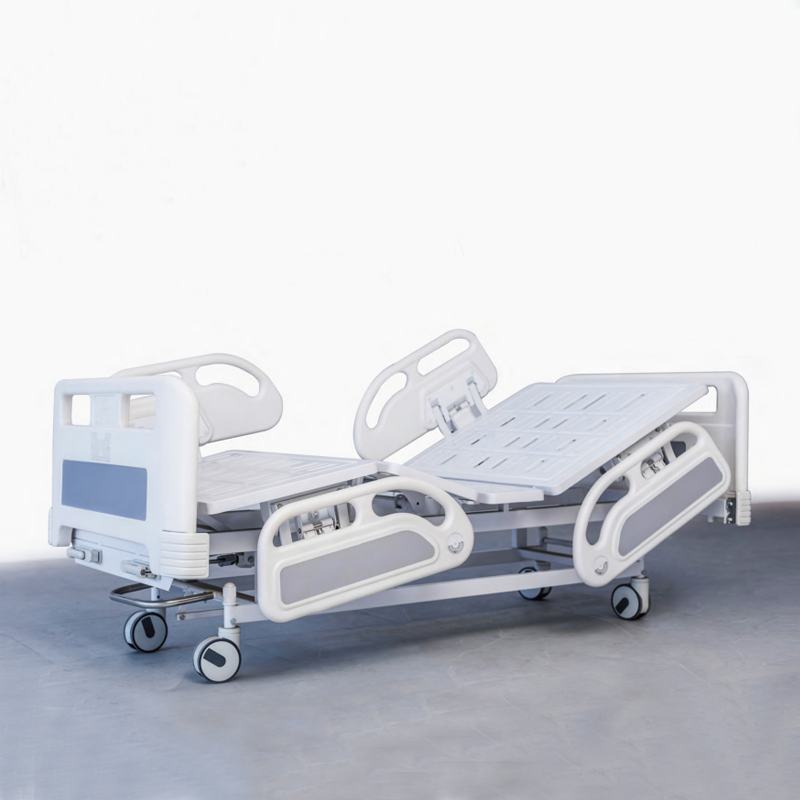
Daily Cleaning and Visual Inspection Protocols for Manual Hospital Beds
Surface wipe-down procedure to prevent corrosion, biofilm, and cross-contamination
Daily wipe downs should be done with hospital grade, pH neutral disinfectants and good quality microfiber cloths. Pay special attention to areas people touch most often like hand cranks, side rails, those little locking mechanisms where germs tend to hang out. After cleaning, make sure everything gets properly dried off. Moisture left behind can cause rust problems and create breeding grounds for bacteria. Change out cloths regularly too, probably somewhere between 3 to 5 patient beds before switching them out. Research published in Infection Control Today back in 2023 showed facilities following this routine saw around 34% fewer HAIs. And watch out for harsh cleaners or bleach stronger than 10%. These can wear down the protective finishes on medical equipment over time, making things look worse and last shorter.
Pre-turnover visual assessment: rust, structural cracks, coating integrity, and contamination hotspots
Before moving patients around, take about ninety seconds to run through what we call the RUST-C protocol. Look out for rust spots on those joints and casters, check if the frame is sitting straight, scan welds for any structural cracks, inspect vinyl coatings for tears, and don't forget to look into crevices where contamination might hide. The places that need extra attention are usually hinges and areas that bear most of the weight since these tend to develop stress fractures over time. Most facilities now use mobile checklists to record their inspections, and according to recent studies in the Journal of Clinical Engineering from last year, hospitals implementing this approach saw roughly 28 percent fewer emergency fixes needed. When there's damage to coatings bigger than six millimeters across, it's best practice to isolate that equipment right away for recoating work. Exposed metal surfaces can become breeding grounds for microbes otherwise, which nobody wants near medical devices.
Targeted Mechanical Lubrication and Component Integrity Checks
Medical-grade silicone grease application on crank gears, pivot joints, and locking mechanisms
Medical grade silicone grease should be applied to those crank gears roughly every three months. A good idea is to use syringe applicators since they let us get the right amount exactly where it needs to go. Pay special attention to those pivot joints. These spots generate most of the heat and friction, and if we forget about them, they account for around 72% of all mechanical breakdowns according to recent equipment reports. Stick with NSF certified silicone products because regular ones just don't cut it. Look for formulas that stand up against bacteria growth, keep their consistency even when temperatures swing around, and won't rust metal parts while still being safe near electrical components. Petroleum based greases are a big no-no as they tend to eat away at rubber seals over time. After applying, always wipe off any extra grease from the area. This simple step makes a huge difference in keeping locking mechanisms clean and functional. Industry stats show this practice alone can reduce crank mechanism replacements by about 34% each year.
Torque-verified inspection of critical fasteners and wear-prone parts (bolts, cotter pins, hinge bushings)
Verify torque specifications monthly using calibrated wrenches (measured in Newton-meters). Prioritize these load-critical components:
| Component | Tolerance Threshold | Failure Risk |
|---|---|---|
| Hinge bushings | ±1.5 mm play | Frame misalignment |
| Cotter pins | No deformation | Joint separation |
| Mounting bolts | 15-20 Nm | Bed collapse |
Inspect for hairline cracks near welds and thread wear in load-bearing bolts. Replace polymer-fatigued bushings immediately — delayed action increases repair costs by 300%. Log torque values to identify wear trends and support compliance with Joint Commission standards.
Functional Verification of Mobility and Safety Systems
Brake engagement testing under load and wheel bearing inspection per AAMI EC53 guidelines
According to the AAMI EC53 standard, medical equipment technicians should test brake engagement when the bed is loaded with at least 150 kilograms of weight simulating a real patient. While doing this check, they need to look closely at the wheel bearings for any signs of rough movement or excessive play beyond what the manufacturer specifies these are actually responsible for 27% of all incidents involving hospital beds according to the latest AAMI compliance report from 2023. To properly assess bearing condition, lift up the bed frame and turn each wheel by hand. If there's a grinding noise during rotation, that's a clear sign the bearings are worn out and need replacing soon. Technicians must also record how much force is required to activate the pedals, making sure it maintains at least 70% of the original resistance level measured during initial testing.
Height adjustment smoothness, side rail lock reliability, and joint play measurement (<1.5mm threshold)
Validate operational safety through three targeted checks:
- Test height adjustment cranks under incremental loads — record jerky movement lasting >3 seconds as a red flag
- Validate side rail locks over 25 consecutive engagement cycles using calibrated torque meters
- Measure joint play at pivot points with feeler gauges; replace components where gaps exceed 1.5 mm
Proactive verification reduces repair costs by 40% by catching alignment issues before structural damage occurs (Clinical Engineering Journal, 2023). Facilities performing bi-weekly functional checks report 62% fewer emergency bed replacements.
Data-Driven Preventive Maintenance Scheduling for Manual Hospital Beds
Tiered maintenance calendar (daily/weekly/monthly/yearly) aligned with CMS and Joint Commission standards
Shift from reactive fixes to condition-based scheduling to extend manual hospital bed lifespan. Predictive maintenance uses real-time data on component wear and stress levels to trigger interventions before failure — reducing unplanned repairs by up to 45% (AAMI field studies). This tiered system integrates:
- Daily: Brake function logs and joint stability checks
- Weekly: Crank gear resistance measurements
- Monthly: Structural weld integrity scans
- Yearly: Full load-bearing tests
Aligning maintenance schedules with CMS equipment rules and Joint Commission safety guidelines helps facilities stay ready for audits without extra hassle. The system can actually change how often things get done depending on what's happening on the ground. For instance, when sensors detect heavy usage in certain areas, lubrication happens more frequently there. Real world results show something interesting too. Most places report around 23 percent extension in equipment lifespan when they follow this approach. Annual maintenance expenses drop by roughly 30% as well since parts aren't replaced before their time anymore. These numbers come from actual facility experiences rather than theoretical models.