
 EN
EN
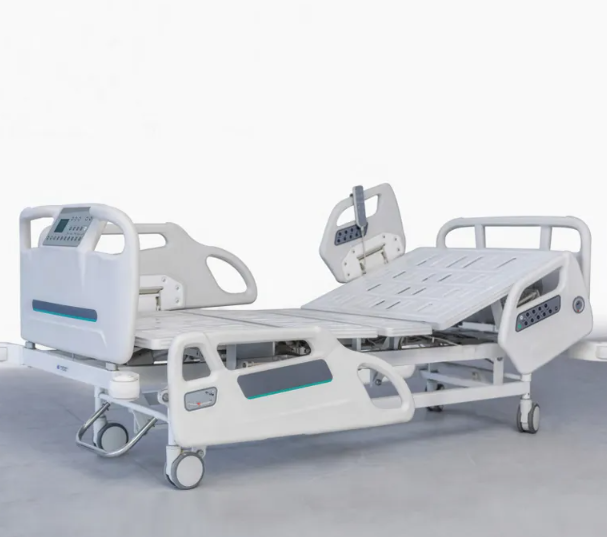
Enhanced Clinical Workflow Efficiency Through Precision Adjustability
How programmable positioning cuts nurse repositioning time by up to 40%
Electric hospital beds with programmable presets take away the need for nurses to manually adjust beds into standard positions such as Fowler's or cardiac chair position. According to American Nursing Association data from 2023, these preset options save around 3.7 minutes each time someone needs to be repositioned. Think about what that means when nurses typically have to do 15 to maybe even 20 bed adjustments every day at busy clinics. Over time, this adds up to cutting down total work hours by nearly half while also helping prevent back injuries and other physical strains. The automated features for adjusting bed height and tilt angle actually help reduce the risk of spreading infections too because there are fewer places where germs can transfer during adjustments. This makes it easier for hospitals to follow their infection control rules without making staff work any harder than they already are. All told, these time savings give nurses about 18 extra minutes each shift to spend either caring directly for patients or getting important paperwork done instead of wasting time on bed adjustments.
Multi-angle adjustability’s impact on patient turnover and room utilization rates
When beds can adjust precisely, moving patients from bed to chair gets much quicker, and getting ready for procedures takes less time too. The right angle makes all the difference for certain treatments like Trendelenburg position which helps drain mucus from lungs or the zero gravity setting that gives better access to wounds during care. Many clinics have found their patient turnover goes up around 22% when they use these special settings properly. This kind of efficiency really matters for managing clinic space. Hospitals that invest in fully adjustable electric beds typically get about 31% more use out of each treatment room because there's less waiting time between patients. Plus, since staff don't have to fiddle with manual adjustments so often, the equipment lasts longer too. According to a study published in Clinic Operations Journal last year, these beds tend to stay functional 17% longer than traditional models over three years of regular use.
Risk Mitigation: Safety Features That Reduce Liability and Incident Costs
Auto-locking rails and low-height mode: evidence from Joint Commission data on fall-related claims
Electric hospital beds cut down on liability risks thanks to built-in safety features that just work. The auto lock system on bed rails stops them from accidentally coming loose when patients are being moved around. And there's this low height setting that brings the mattress down to about 8 inches off the ground, which means if someone does fall out, they won't get hurt as badly. According to some research from the Joint Commission looking at actual fall cases, hospitals with these electric beds report roughly 42% fewer serious injuries each year compared to places still using old fashioned manual beds. Think about what this really means for healthcare providers. A single fall related lawsuit typically costs over 740 thousand dollars according to Ponemon Institute numbers from last year. So those engineering details aren't just nice to have they actually save money and protect the facility's reputation too. Plus, they help meet those national safety requirements without anyone even noticing.
Long-Term Value: Total Cost of Ownership for Electric Hospital Beds
Semi-electric vs. fully electric: 5-year TCO analysis (motor reliability, service frequency, energy use)
Fully electric hospital beds definitely cost more upfront, but they tend to be worth it in the long run according to many studies. When looking at total costs over five years including things like buying the bed itself, regular maintenance, electricity bills, and staff training, the numbers tell an interesting story. Fully electric models come out around $9,100 on average compared to about $6,075 for those semi-electric versions. Why such a big gap? Mainly because of how reliable the motors are. Facilities report needing anywhere from 30 to 40 percent fewer service visits each year with full electric beds, which means less downtime overall especially in busy medical centers where every minute counts. Sure, these beds do consume more power (around $150 extra per year versus just $75 for semi-electrics), but the smoother operation makes all the difference. Nurses spend less time adjusting them manually and suffer less physical stress during shifts, so even though there's a bit more money going into electricity, hospitals often find this gets balanced out when considering everything else related to staff workload, patient safety issues, and keeping operations running smoothly day after day.
| Cost Component | Semi-Electric | Fully Electric |
|---|---|---|
| Initial Purchase | $3,000 | $5,000 |
| Annual Maintenance | $500 | $700 |
| Energy Costs (Yearly) | $75 | $150 |
| Staff Training | $200 | $300 |
| Total 5-Year Cost | $6,075 | $9,100 |
Frame materials, weight capacity, and real-world service life in high-volume clinic settings
When it comes to medical beds, what really matters for their longevity in busy hospitals is the quality of materials used in their frames, especially reinforced steel construction, along with weight capacity ratings above 500 pounds. Clinical facilities that regularly handle more than 50 patients each day find that beds meeting these standards last about 20 to 30 percent longer than cheaper alternatives. Maintenance costs drop significantly too, sometimes saving around $200 every year on each bed. The higher weight capacity means less strain on the structure overall, which explains why breakdowns happen so much less frequently. Research from hospital administrators shows unexpected repair incidents decrease by roughly 15% when proper specs are followed. What makes all this important isn't necessarily buying something cheaper at first glance. Instead, durable equipment performs consistently better over time, needs fewer replacements, and allows staff to plan maintenance schedules without surprises down the road.
Labor Optimization: How Electric Hospital Beds Lower Hidden Caregiver Costs
Electric hospital beds cut down on those hidden labor costs because they take away the need for all that manual lifting and moving. Nurses and caregivers report spending anywhere from half to almost three quarters less time getting patients positioned properly when using electric adjustments instead of old fashioned manual beds. That extra time adds up fast and lets medical staff focus on what really matters - actual patient care rather than just moving bodies around. Plus, these automated systems help prevent back injuries and other strains that plague nursing staff so much. Studies show injury rates drop somewhere between 30% and 40% in facilities that switch to electric beds. Fewer injured workers means lower insurance claims and not as many staff leaving due to work related pain issues. The savings here go beyond just money too.
- Single-button height adjustments that eliminate spinal stress during transfers
- Programmable positions enabling consistent, protocol-driven therapeutic setups
- Remote controls allowing safe, independent patient self-adjustment for minor position changes
These efficiencies collectively enhance caregiver productivity by 15–25% while reducing repositioning-related incidents. When evaluating full operational impact, labor savings from reduced strain and optimized workflows typically offset the higher upfront investment within 18–24 months—making electric hospital beds a strategically sound capital decision for high-volume clinics.