
 EN
EN
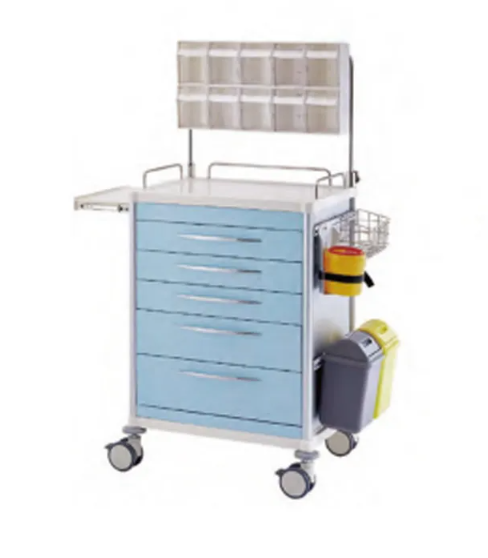
Match Nurse Cart Functionality to Clinical Workflow Stages
Retrieve, Prepare, Administer, Document: Why cart layout must mirror task sequencing
In hospitals, clinical workflows generally follow the same basic steps: getting supplies ready, making medications, giving treatments, and then recording what happened. Nurse carts designed around this natural order cut down on wasted movement and mental strain for staff. When everything flows logically from one step to the next instead of being thrown together randomly, nurses waste less time hunting for things and actually get to focus on patient care. According to recent industry research published last year, poor layout designs cause nurses to lose about 18 minutes every shift just looking for equipment they need. Another benefit comes from separating different functions physically within the cart. Keeping preparation areas distinct from where actual administration happens helps prevent mistakes when pressure is high. These thoughtful arrangements don't just save time though; they make the whole process safer too because tasks unfold in their proper sequence rather than getting mixed up.
Case Study: A Major Hospital ICU’s 31% Reduction in Medication Retrieval Time with Workflow-Aligned Nurse Carts
An academic medical center redesigned ICU nurse carts around the retrieve-prepare-administer-document sequence, achieving a 31% reduction in medication retrieval time within six months. The optimized layout featured:
- Top-tier retrieval: High-frequency medications in front-facing drawers
- Central preparation: Adjustable work surface with integrated sharps disposal
- Ergonomic administration: IV pole holders and glove dispensers at elbow height
- Documentation focus: Secured tablet mount above the work area
When nurses started using these new systems, they finished each medication task about 22 seconds quicker on average, which adds up to around 48 extra hours every month across the whole staff. Mistakes went down by nearly 17% because everything had to follow a specific order now. The cart design itself helps keep things cleaner too since it separates out the parts that need to stay sterile from those that don't. Hospitals implementing these workflow synced carts have seen tangible improvements in how fast care gets delivered without compromising on safety standards that protect both patients and medical personnel.
Optimize Nurse Cart Ergonomics and Infection Control for Daily Use
Reducing musculoskeletal strain: Dual-axis casters, height-adjustable work surfaces, and weight-distribution design
When nurses spend long hours on their feet, ergonomic nurse carts make all the difference. The dual axis casters really shine in those narrow hospital hallways and crowded patient rooms where every inch counts. Most models come with adjustable work surfaces that can be set anywhere from 28 to 46 inches high, so staff don't have to bend over constantly throughout their shift. What's more, these carts are engineered so they require about 15 pounds less force to push or pull compared to traditional designs. According to recent OSHA reports from 2023, musculoskeletal disorders represent nearly a third of all injuries reported by nursing professionals. Looking at specific design aspects, manufacturers have incorporated several safety features worth noting. Low profile bases help avoid accidental trips, angled handles take pressure off the wrists when pushing, and compartments are arranged to maintain balance and prevent dangerous tip overs during transport.
Infection-resilient materials: Antimicrobial copper-alloy surfaces and seamless, cleanable nurse cart construction
For effective infection control, medical facilities need materials that can handle regular hospital disinfection without breaking down. Nurse carts designed with seamless construction and rounded corners get rid of those hard to clean spots where germs tend to hide, cutting down microbes by about 99.7% according to CDC guidelines. Some hospitals have started using antimicrobial copper alloy surfaces on frequently touched areas like door handles and keyboard trays. Trials in intensive care units showed these surfaces reduced pathogen transfer by around 83%, as reported in the American Journal of Infection Control last year. When it comes to materials, several key specs matter: plastics certified under ISO 10993 standards that stand up to harsh cleaners, stainless steel frames welded together so liquids can't seep inside, and special coatings that help push away dust particles. The combination of good ergonomics and strong infection prevention makes a real difference for nursing staff. Facilities with equipment meeting these standards saw roughly 41% less staff leaving their jobs over time, according to research published in the Journal of Nursing Administration back in 2022.
Ensure Long-Term Relevance with Modular and Secure Nurse Cart Configurations
Healthcare roles evolve—nurse carts must adapt. Modular designs with tool-less reconfiguration allow swift transitions between functions like medication delivery and specimen transport. Swap components in minutes to:
- Convert medication drawers into biohazard-compliant sample carriers
- Integrate tablet mounts for telehealth documentation
- Add refrigeration for temperature-sensitive pharmaceuticals
This future-proofs your investment by eliminating redundant equipment purchases.
Role-based access control: Drawer-level security for controlled substances and sensitive documentation
When someone gets into narcotics without permission, it can cost the healthcare system around $740k for each incident according to research from the Ponemon Institute back in 2023. These days many facilities are turning to modern nurse carts equipped with biometric scanners or RFID technology that actually requires clinicians to authenticate themselves before accessing medications. The systems also keep detailed records of all attempts made to open drawers and set different levels of access based on job roles so only certain people can reach specific compartments. A real world example comes from one hospital where they saw their opioid discrepancy problems drop by nearly 90% once they put these compartmentalized security measures in place. This not only helped them stay compliant with those strict DEA rules about electronic prescriptions but also gave them much better control over medication management overall.
Validate Nurse Cart Selection Through Frontline Clinician Collaboration
Getting nurses and clinical support staff involved when choosing nurse carts isn't just important it's absolutely essential if we want any chance of making things work properly. The people who actually give out medications every day know exactly what works and what doesn't in their daily routines. They see all sorts of problems nobody else notices like how hard it is to reach certain drawers during busy medication rounds or whether those IV poles stay stable when moving around the ward. Hospitals that test different cart options while getting real feedback from nurses end up with way fewer setup mistakes about half as many according to a study published in Clinical Ergonomics Journal back in 2023. For anyone looking to get this right, putting together a team with representatives from various departments makes sense too since there are so many different aspects worth considering during the evaluation process.
- Maneuverability during shift-change corridor congestion
- Surface visibility for rapid sanitation compliance checks
- Emergency access protocols for time-sensitive scenarios
This collaborative validation ensures carts enhance rather than disrupt high-stakes clinical workflows while preventing costly retrofitting.