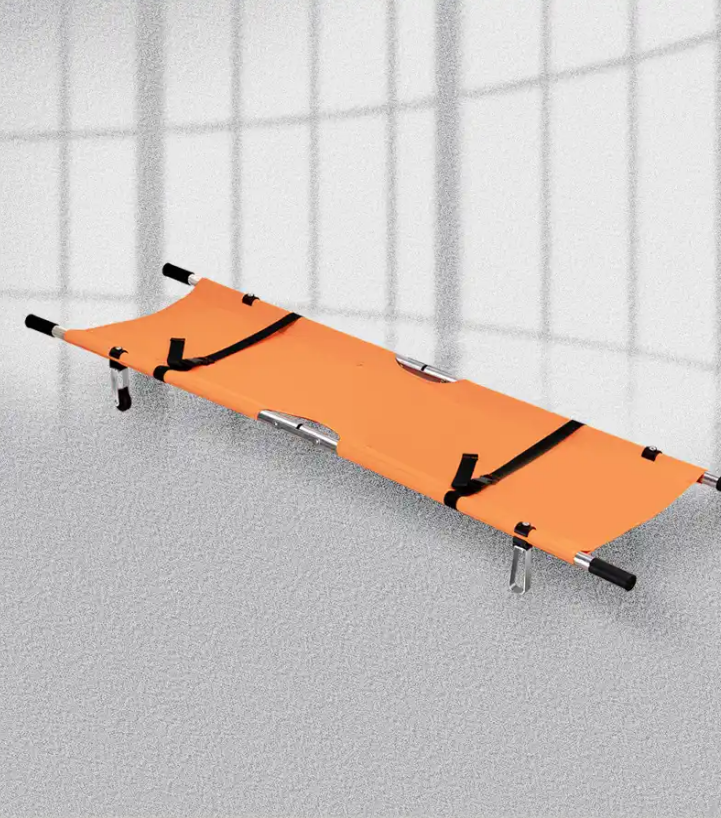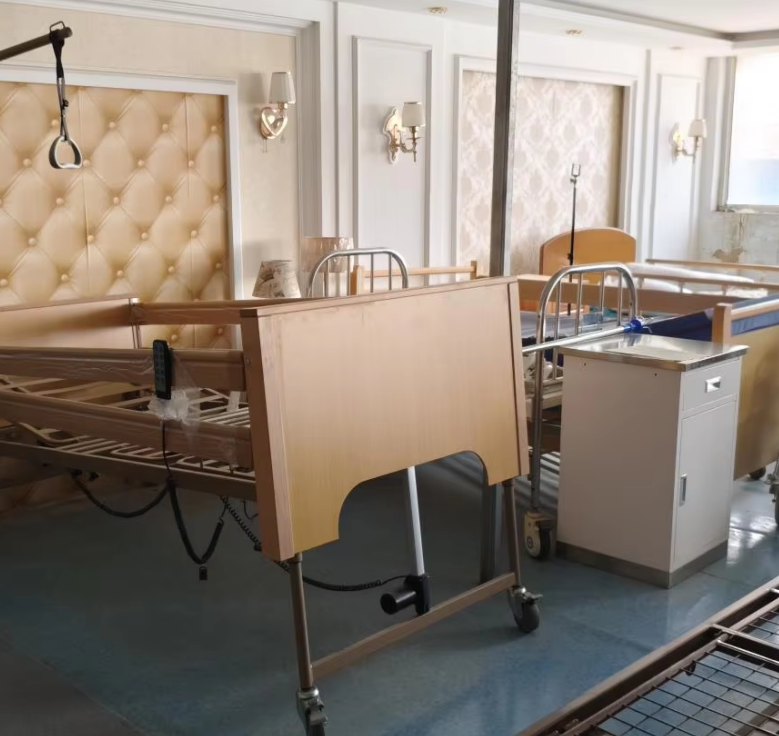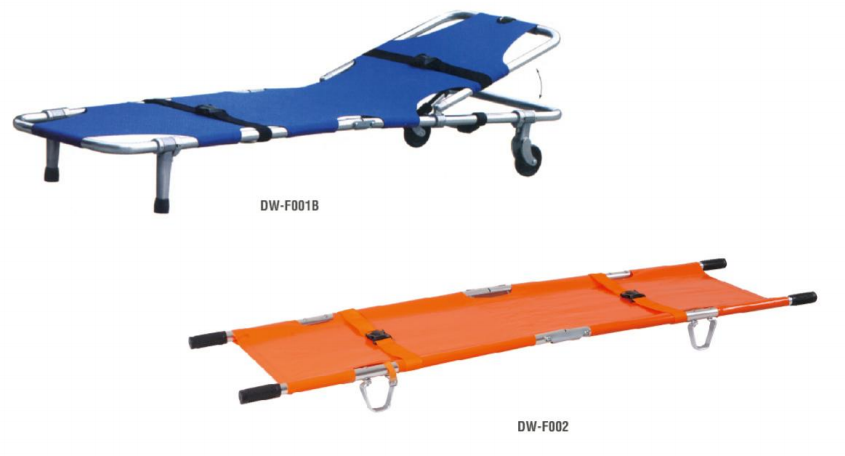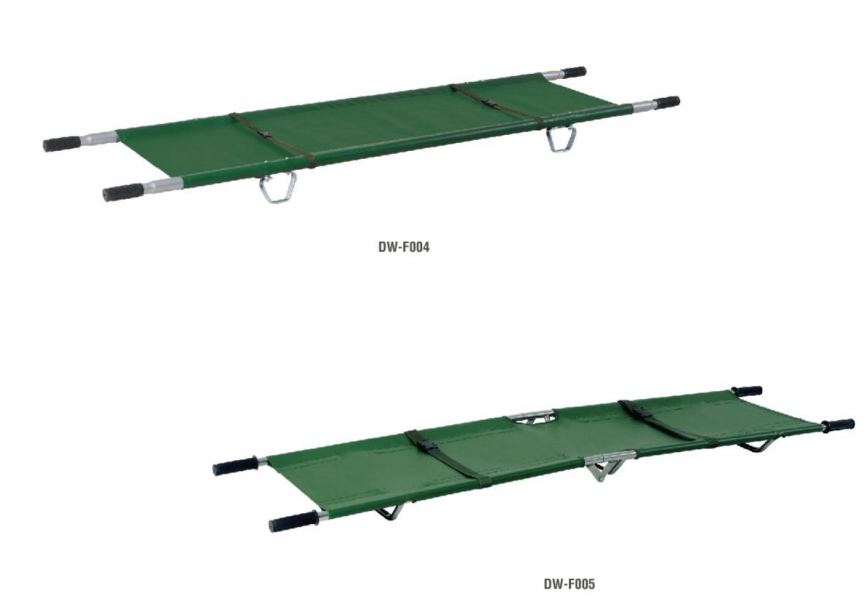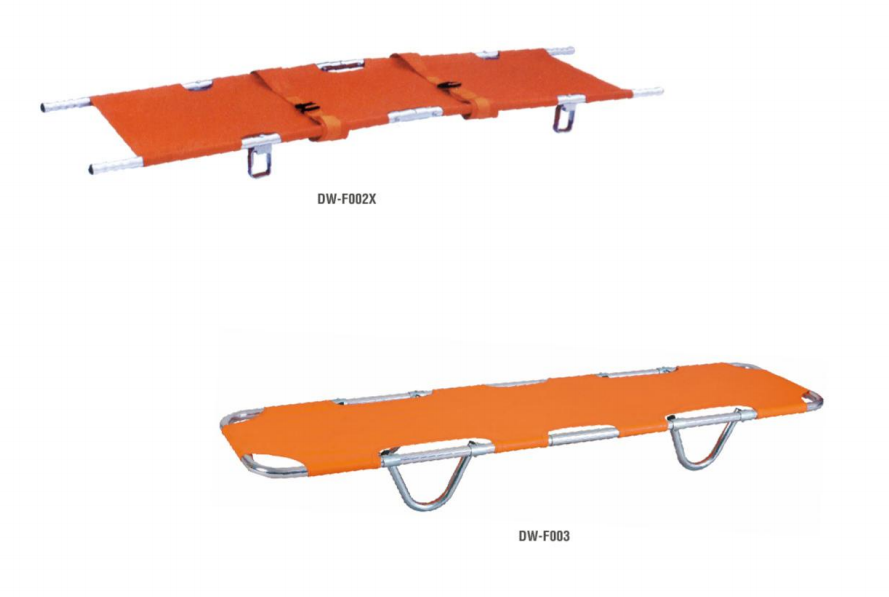

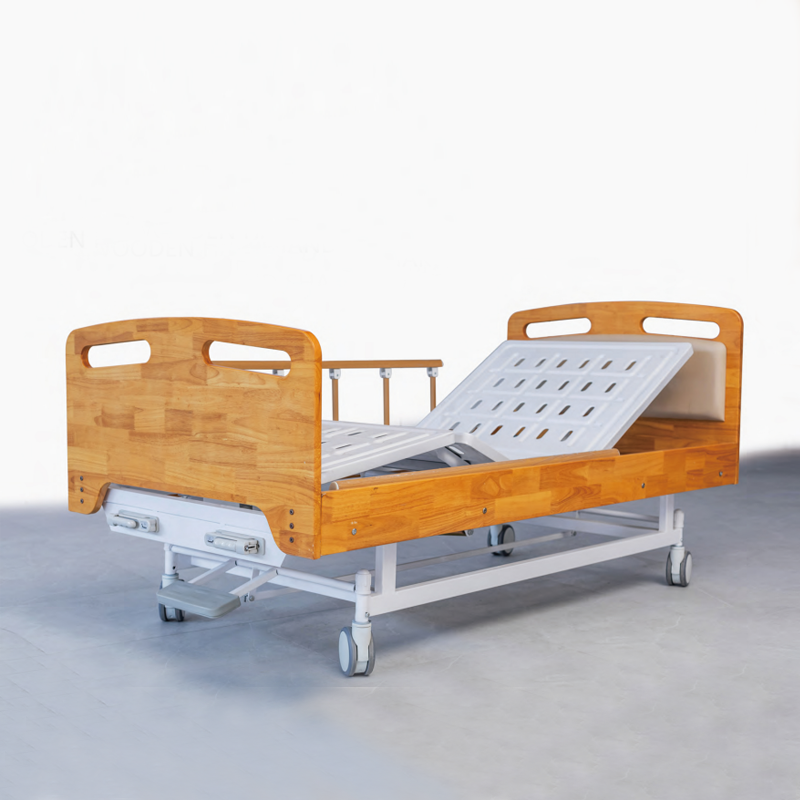
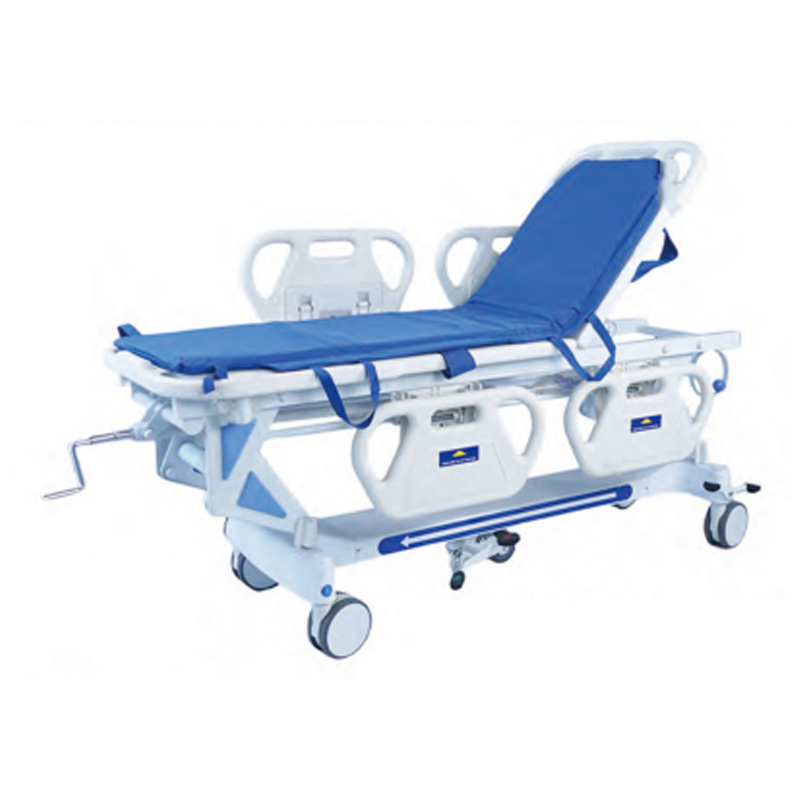
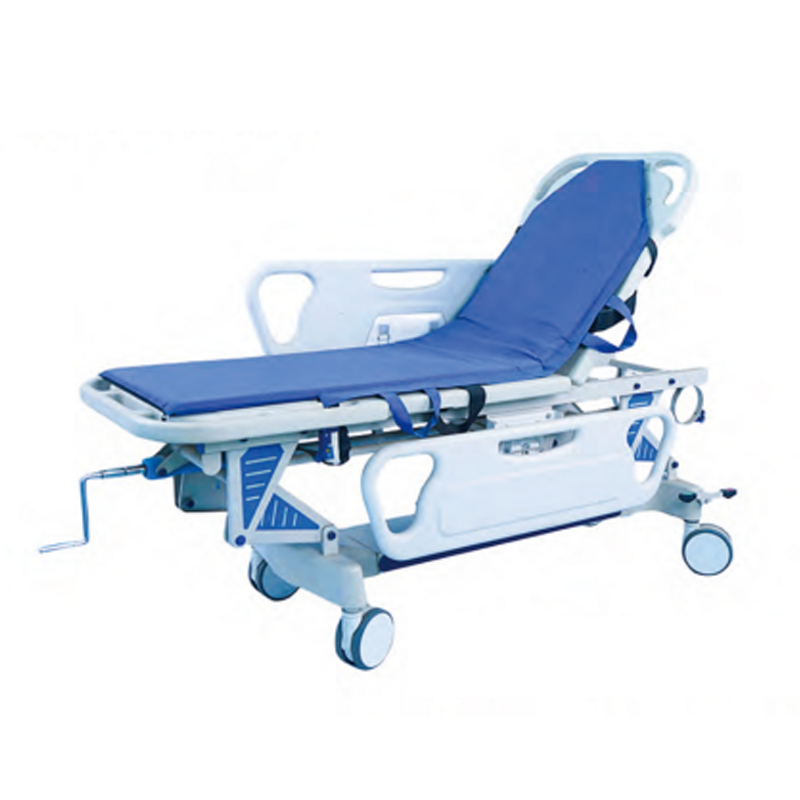
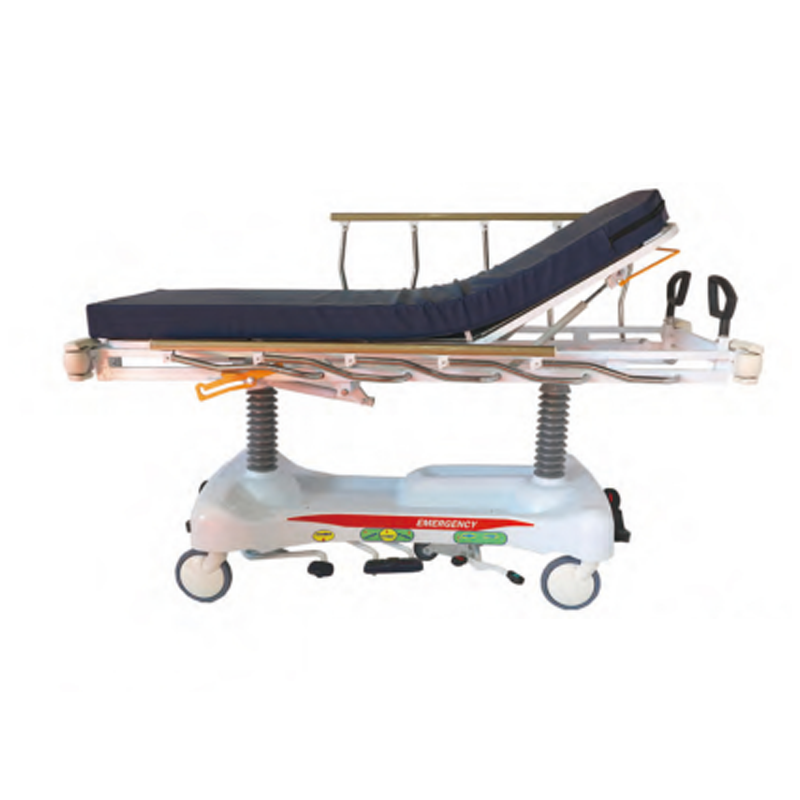
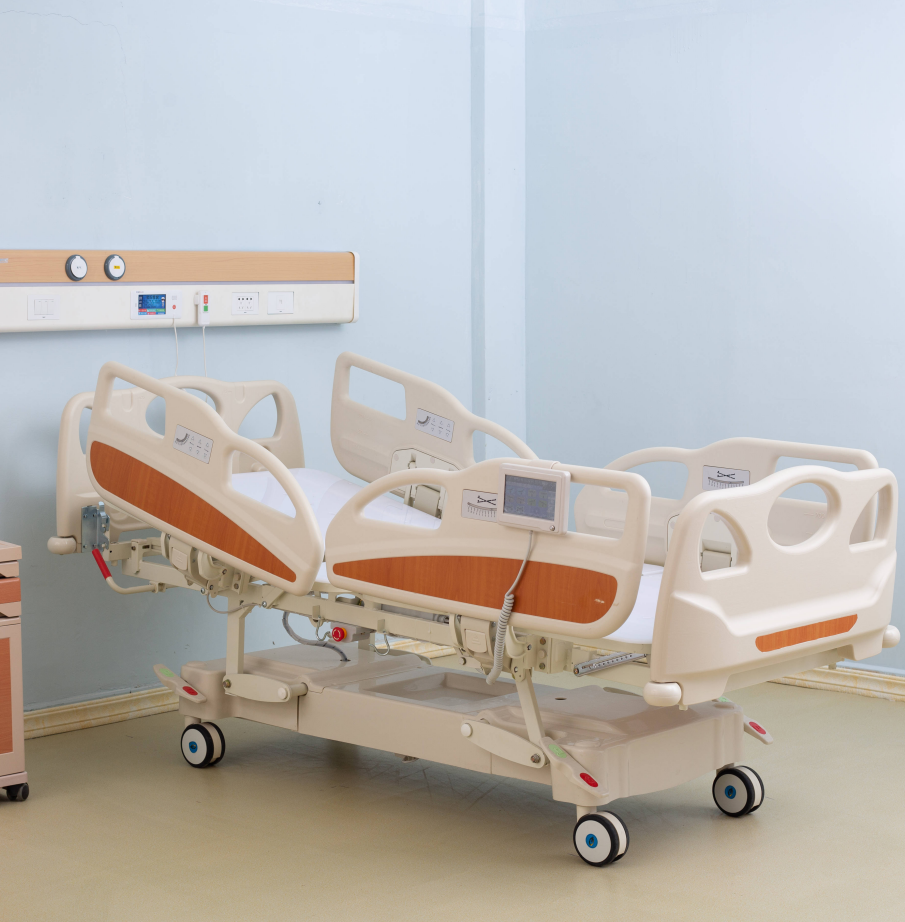
A stretcher tailored for rehabilitation centers is meticulously engineered to support patient recovery through enhanced comfort, adjustability, and safety features. Unlike standard models, it prioritizes long term usability and therapeutic benefits, incorporating elements such as multi position backrests, adjustable height settings, and padded surfaces to accommodate patients with mobility impairments or post surgical needs. The design often includes low profile frames for easy patient transfer to beds or chairs, reducing caregiver strain and promoting independence. Materials are selected for hypoallergenic properties and ease of cleaning, crucial in environments where infection control is vital, such as in physiotherapy or occupational therapy sessions. Additionally, these stretchers feature secure locking mechanisms on wheels and rails to prevent unintended movement during exercises or transfers, aligning with protocols from organizations like the World Health Organization for patient safety. The integration of accessories like removable side rails and IV poles allows customization for individual therapy plans, fostering a holistic rehabilitation process. By focusing on ergonomic principles and evidence based design, these stretchers contribute to faster recovery times, reduced complications, and improved patient morale. They are tested to meet industry standards for load distribution and durability, ensuring reliability in high use settings. Ultimately, this specialized stretcher serves as a vital tool in rehabilitation, blending clinical functionality with patient centric care to support diverse cultural healthcare practices worldwide.