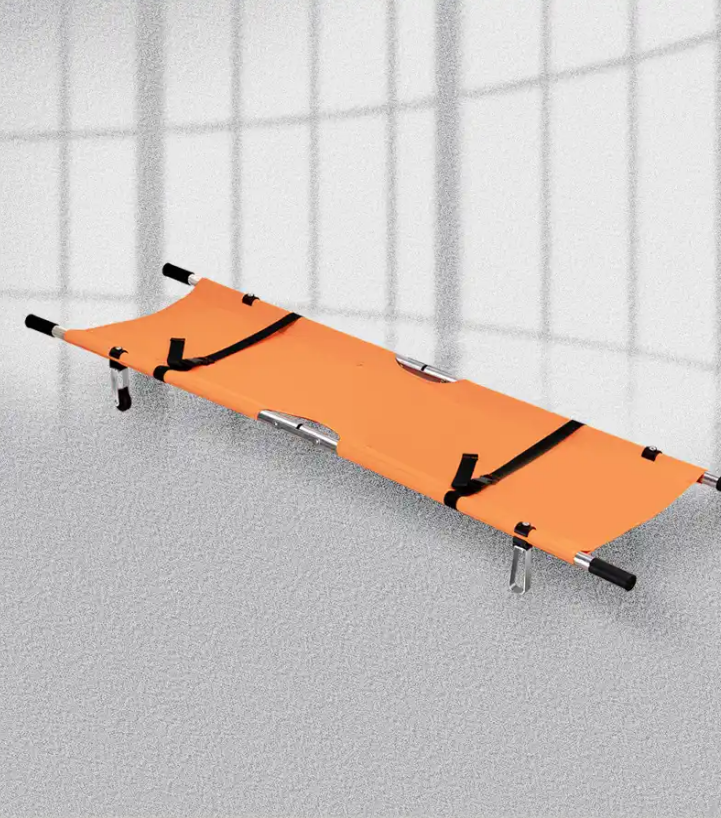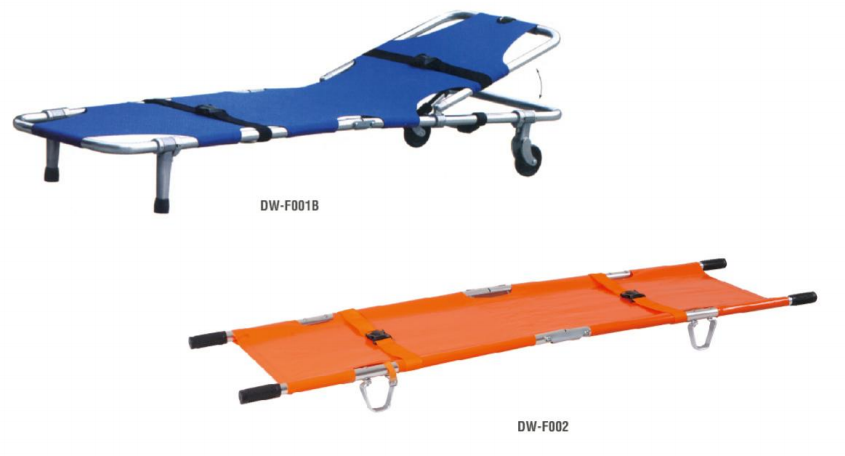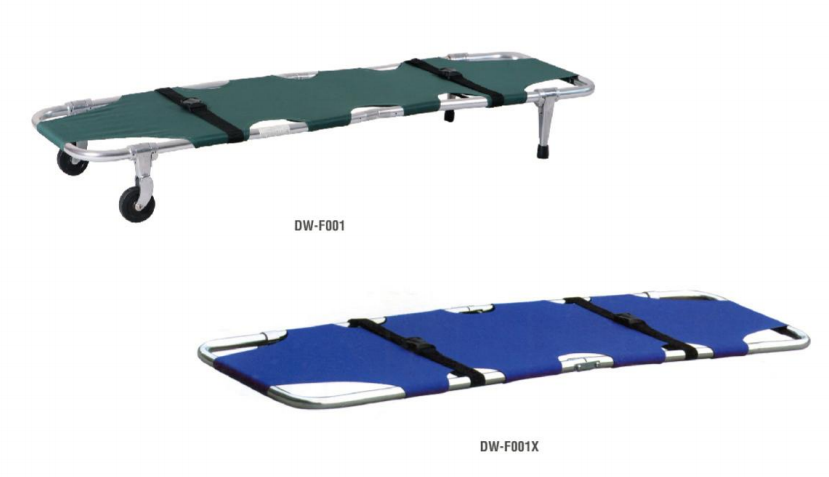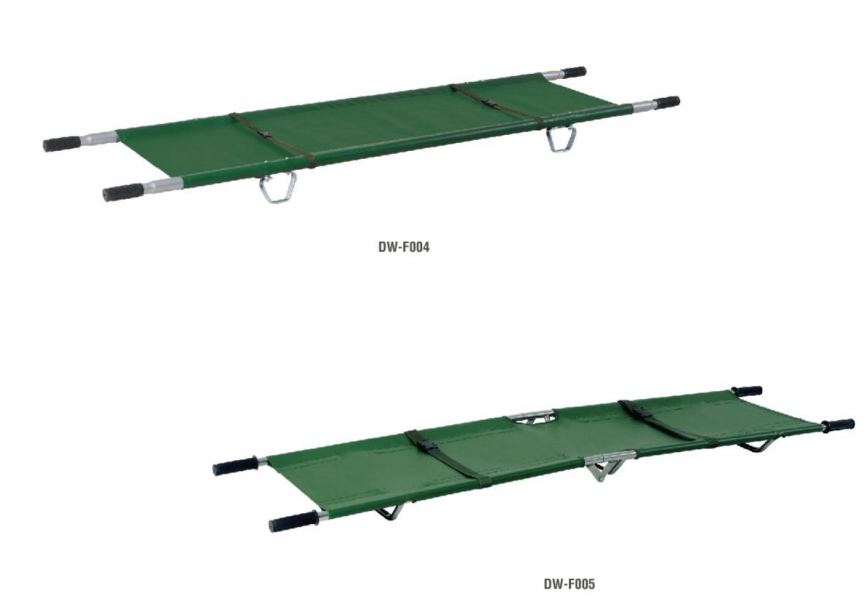

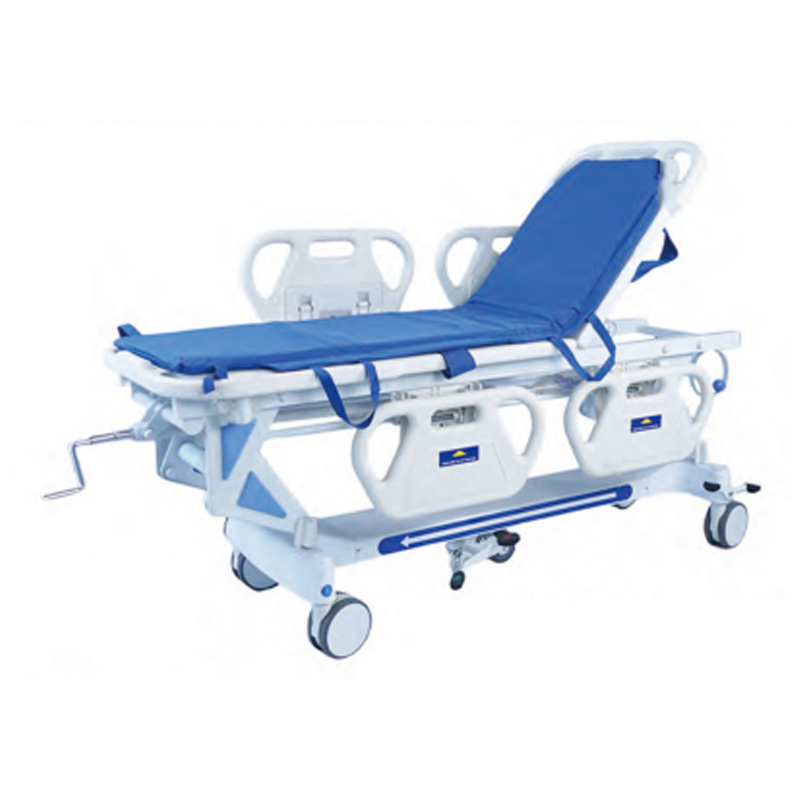
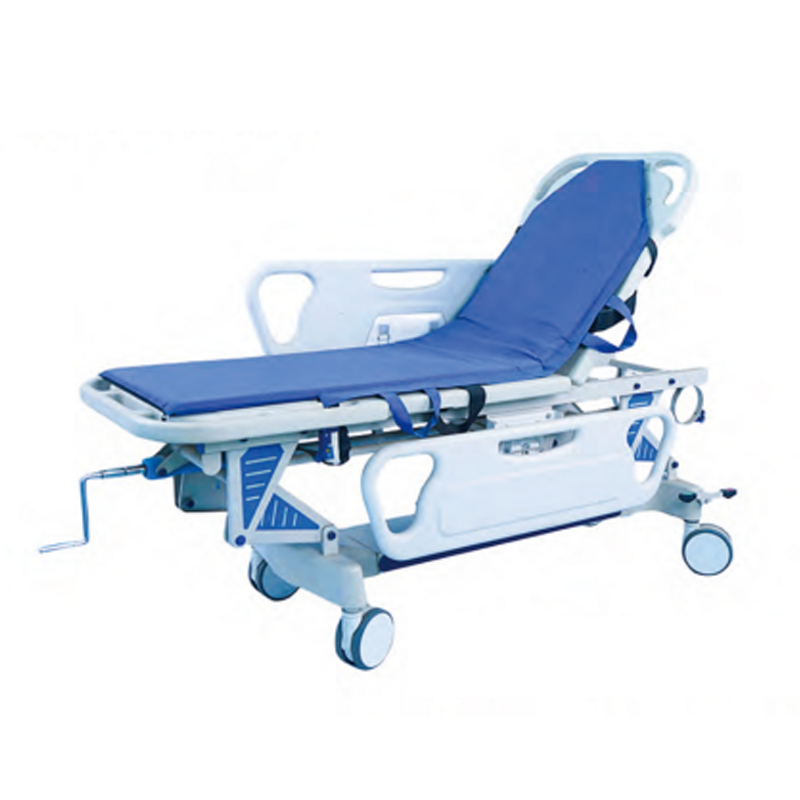
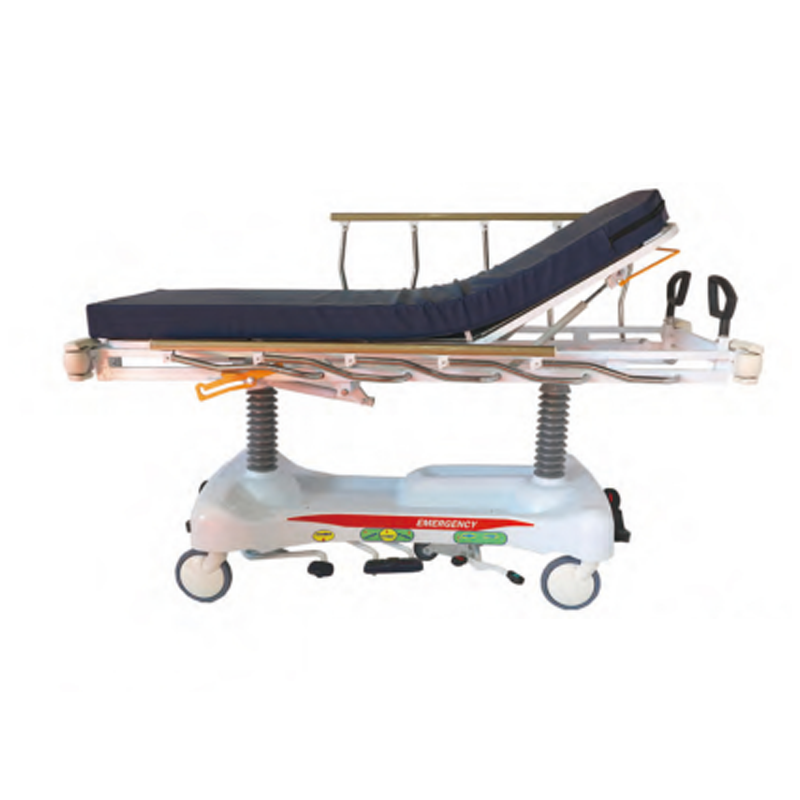
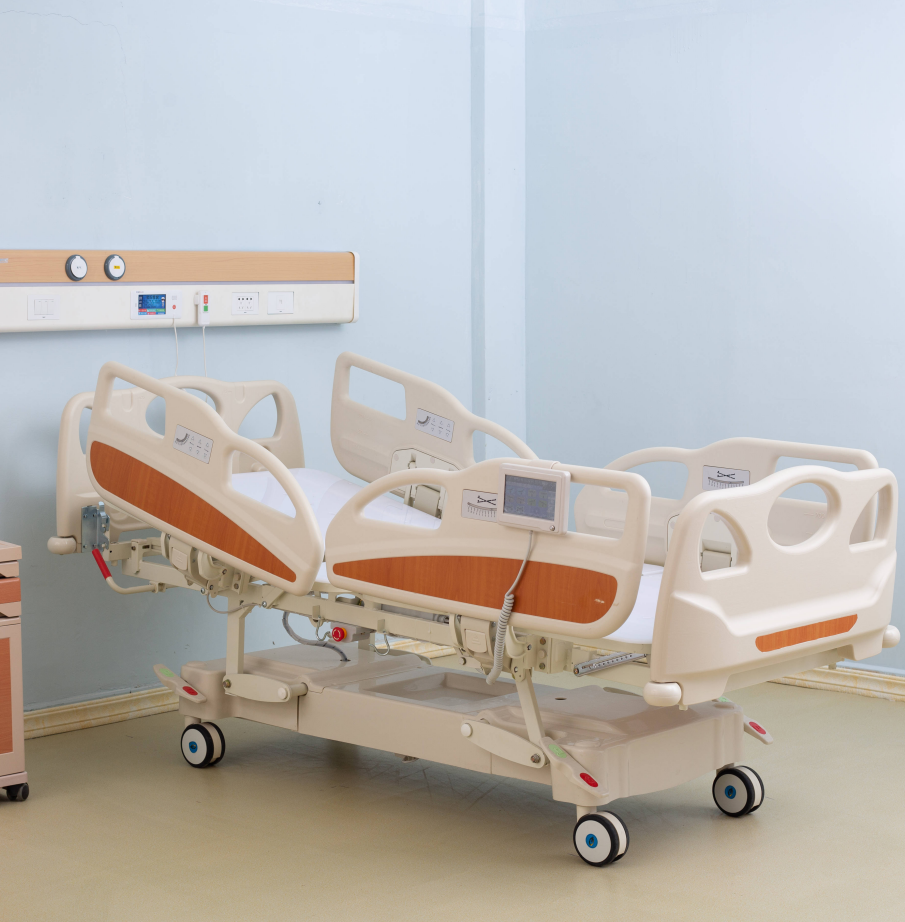
A stretcher designed for on site medical care is a pivotal piece of equipment engineered for rapid deployment and effective patient management in non hospital environments, such as accident scenes, workplace incidents, or public events. Its design philosophy centers on portability, durability, and immediate functionality to stabilize patients before and during transport to definitive care facilities. Constructed from high strength, lightweight materials like aerospace grade aluminum alloys or advanced composites, it often features a folding or telescopic mechanism, allowing it to be compactly stored in emergency vehicles or field kits. Critical design elements include integrated carrying handles, multiple anchor points for safety straps to secure patients with varying injury patterns, and a low profile frame for easy ground level access, which is crucial for spinal motion restriction protocols. The surface may incorporate materials resistant to bodily fluids and chemicals for easy decontamination, aligning with infection control standards. Furthermore, these stretchers are tested to withstand dynamic loads and environmental stressors, ensuring reliability in diverse conditions from urban settings to remote areas. They often include compatibility with accessories like oxygen tanks or monitor mounts, enhancing their utility in comprehensive patient care. By enabling efficient triage and safe extraction, such stretchers significantly reduce the time to critical interventions, directly impacting patient survival and recovery outcomes. Their design adheres to international guidelines, including those from pre hospital emergency services, making them indispensable tools for paramedics, industrial medics, and disaster response teams globally, while emphasizing user safety and operational adaptability across different cultural and clinical contexts.