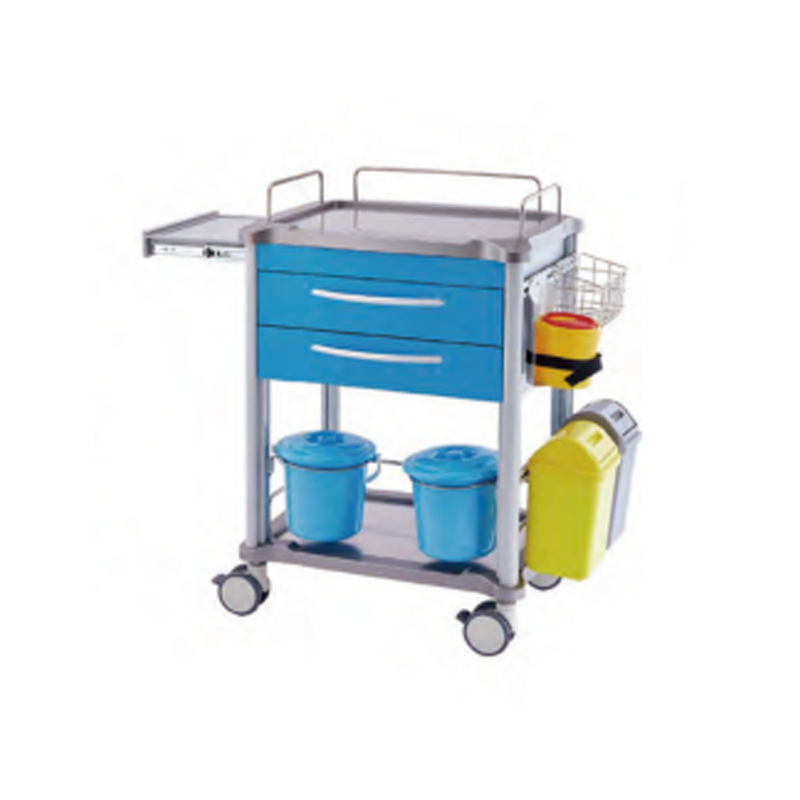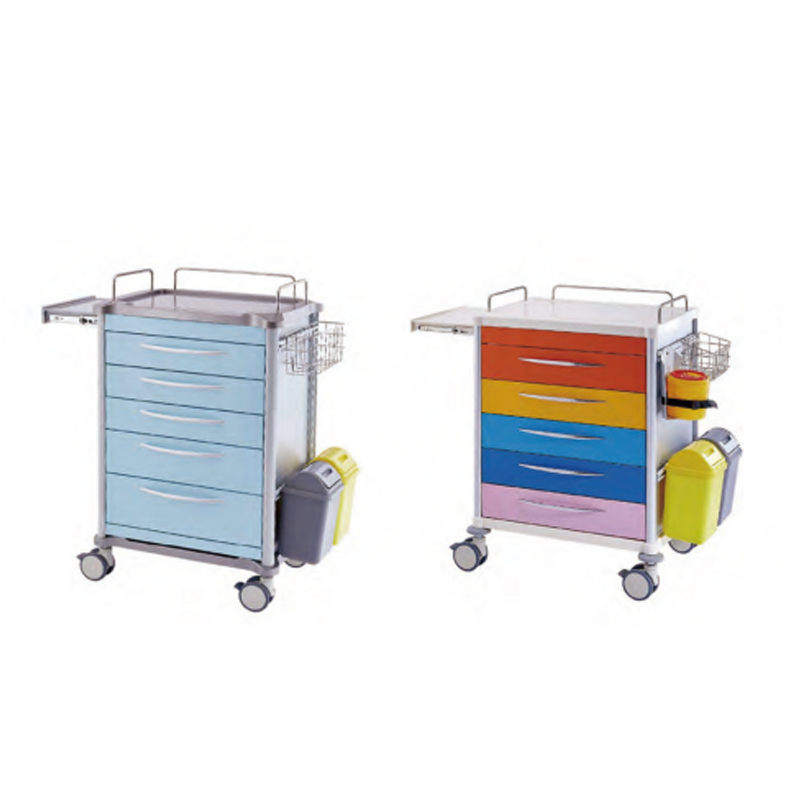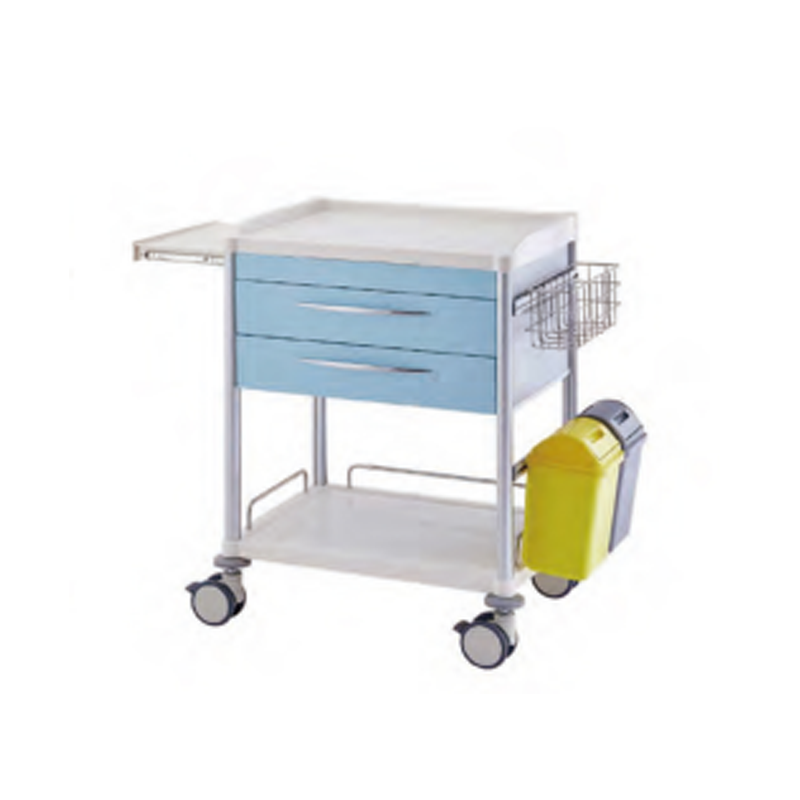

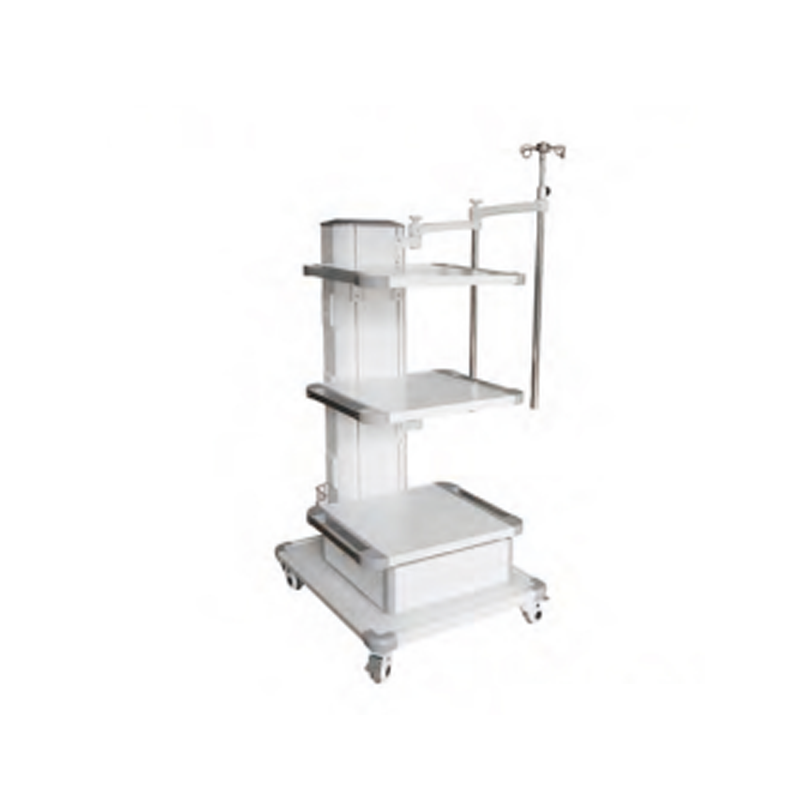
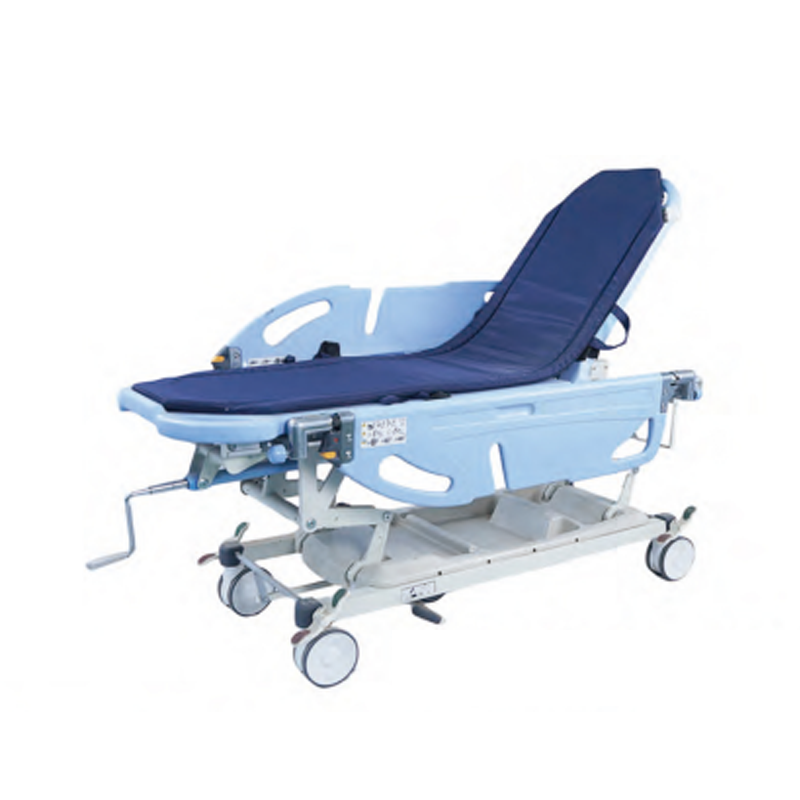

Stability in a nurse cart is a non negotiable safety feature, paramount to preventing accidents, protecting sensitive equipment, and ensuring the safety of both patients and staff. This stability is achieved through a multi faceted engineering approach that begins with a low center of gravity. The cart's heaviest components and storage areas are positioned as low as possible within the frame, and the wheelbase is designed to be wide and long to create a substantial footprint, effectively resisting tipping forces. The casters are a critical component; they must feature a precise locking mechanism that securely engages both the wheel rotation and the swivel motion, effectively transforming the mobile cart into a stationary workstation when needed. The structural integrity of the frame, often made from rigid tubular steel, is verified through rigorous testing, including static load tests well beyond typical capacity and dynamic impact tests to simulate real world use. This robust construction ensures the cart remains steady even when drawers are fully extended or when it is pushed with force. A stable nurse cart prevents spills of medications or hazardous substances, protects expensive medical devices from falls, and provides a secure platform for nurses to perform precise tasks, thereby underpinning a safe, efficient, and reliable clinical workflow.