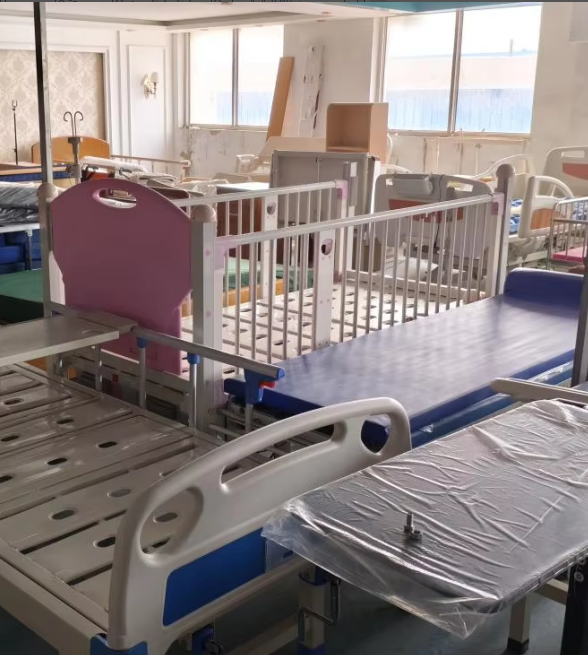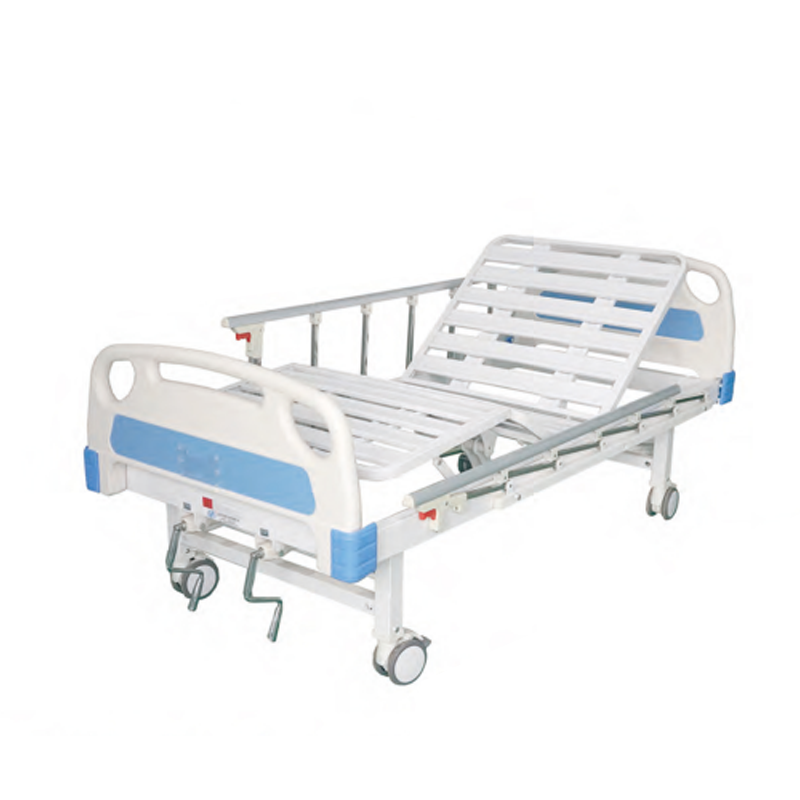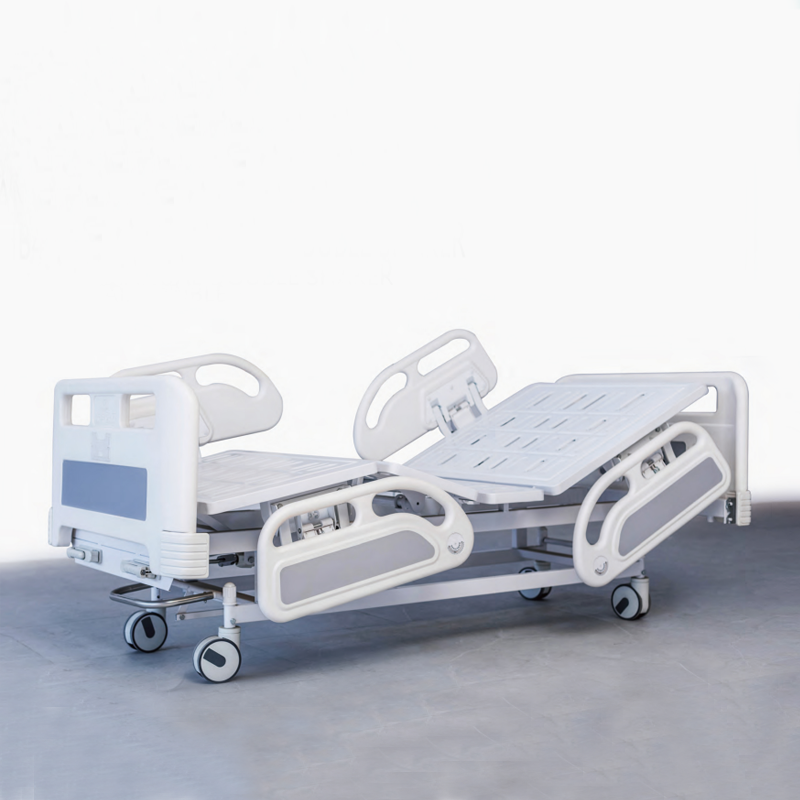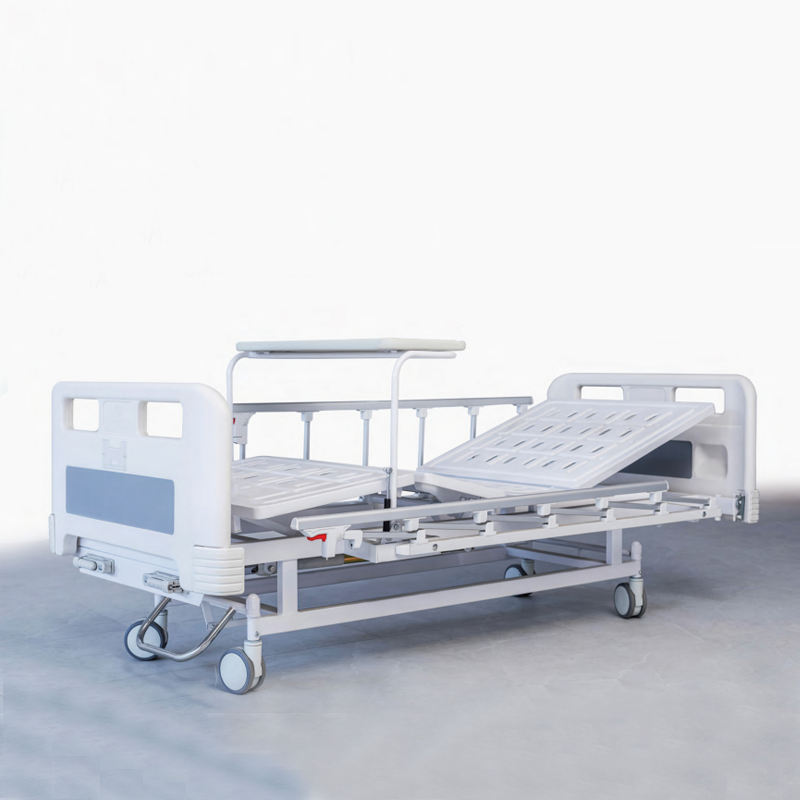

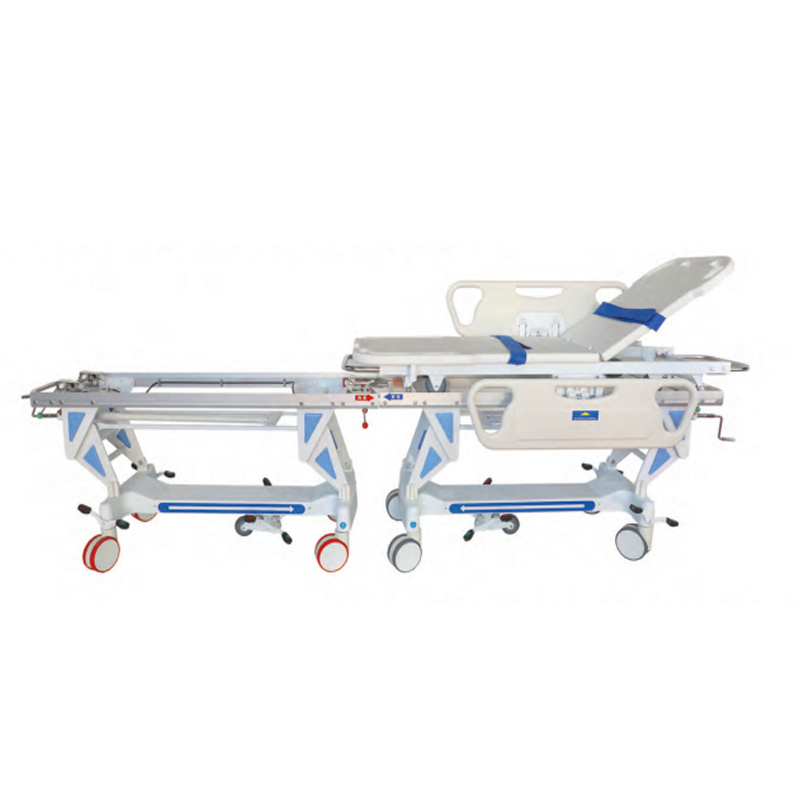
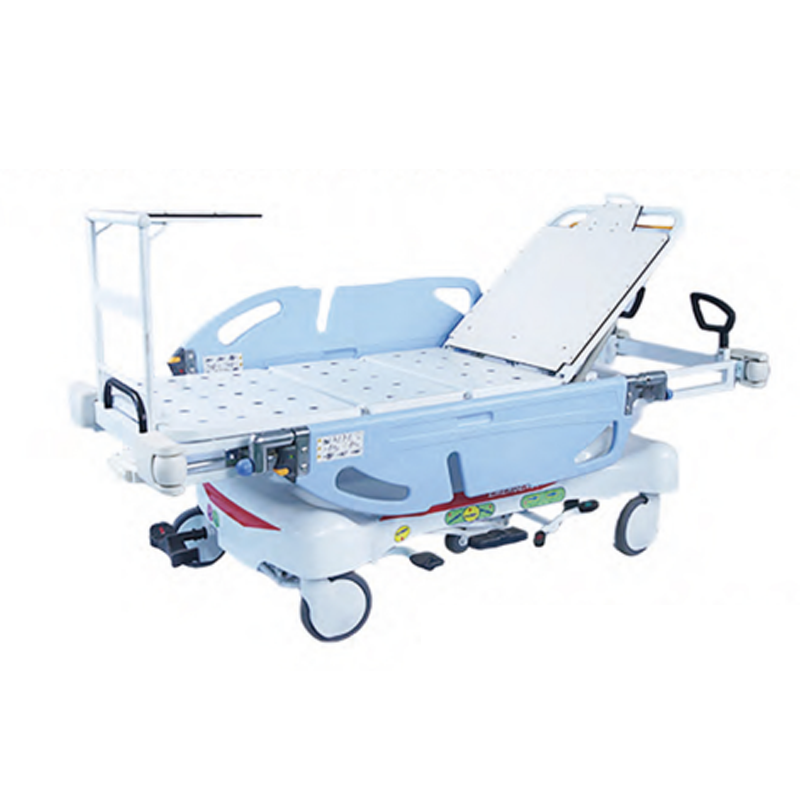
The manual hospital bed equipped with a sitting up function provides a fundamental therapeutic capability that significantly influences patient health, comfort, and independence through purely mechanical operation. This feature, achieved through a precisely engineered crank mechanism, smoothly elevates the backrest from a horizontal to a vertical seated position, offering crucial clinical benefits. Its medical importance is substantial: the elevated position enhances pulmonary function by facilitating full lung expansion and improved oxygenation, particularly vital for patients with respiratory limitations or during post operative recovery. This positioning also supports digestive processes, reduces aspiration risks, and enhances comfort during feeding activities. For patient well being and dignity, it enables comfortable positioning for reading, social interaction, and daily activities without requiring electrical assistance. Caregivers benefit from simplified access during patient care tasks such as feeding, hygiene management, and physical assessments. The operation is managed through an intuitively positioned crank, making it accessible to users with varying strength levels and providing a sense of control over their immediate environment. This function is typically integrated with adjustable knee support to enhance seated comfort and stability. As an essential feature of patient centered care, the manual sitting up function proves invaluable in general ward settings, long term care environments, and home care situations where reliable, non electric positioning supports both clinical outcomes and quality of life improvements.