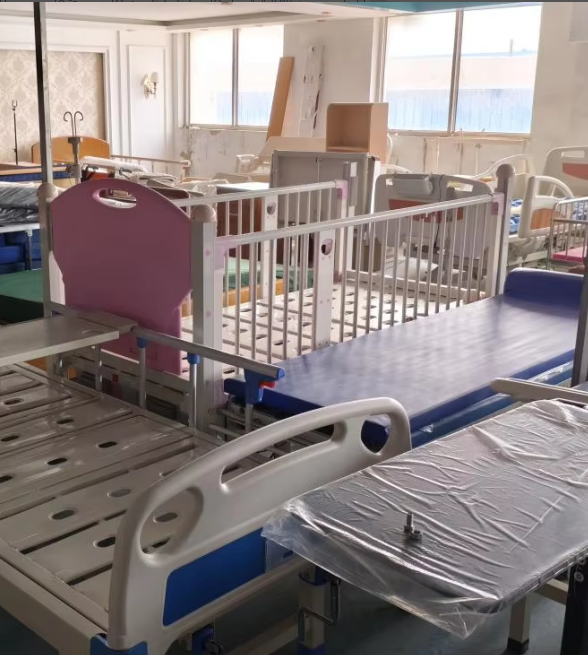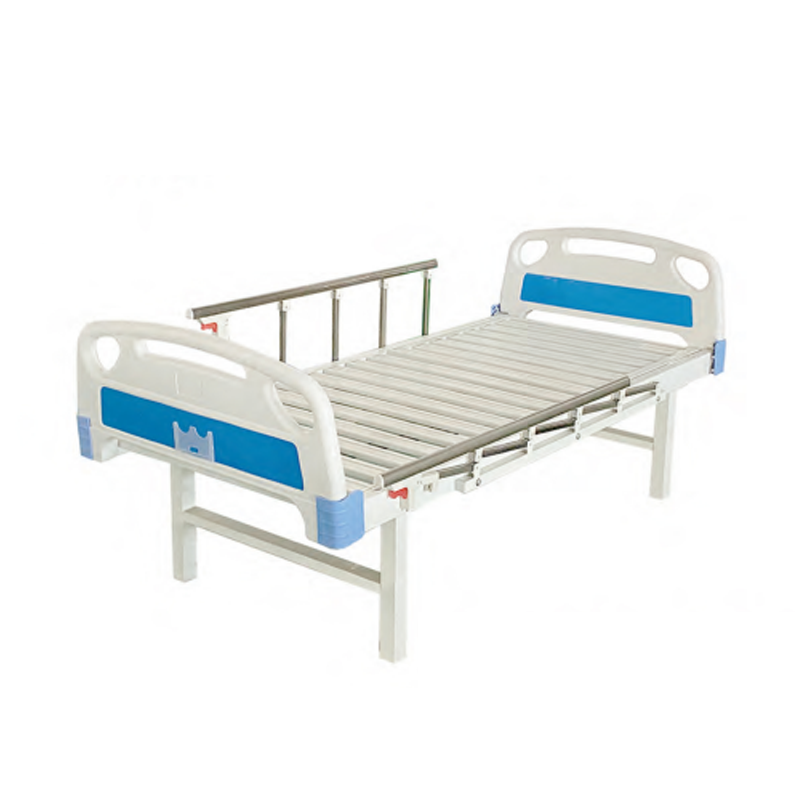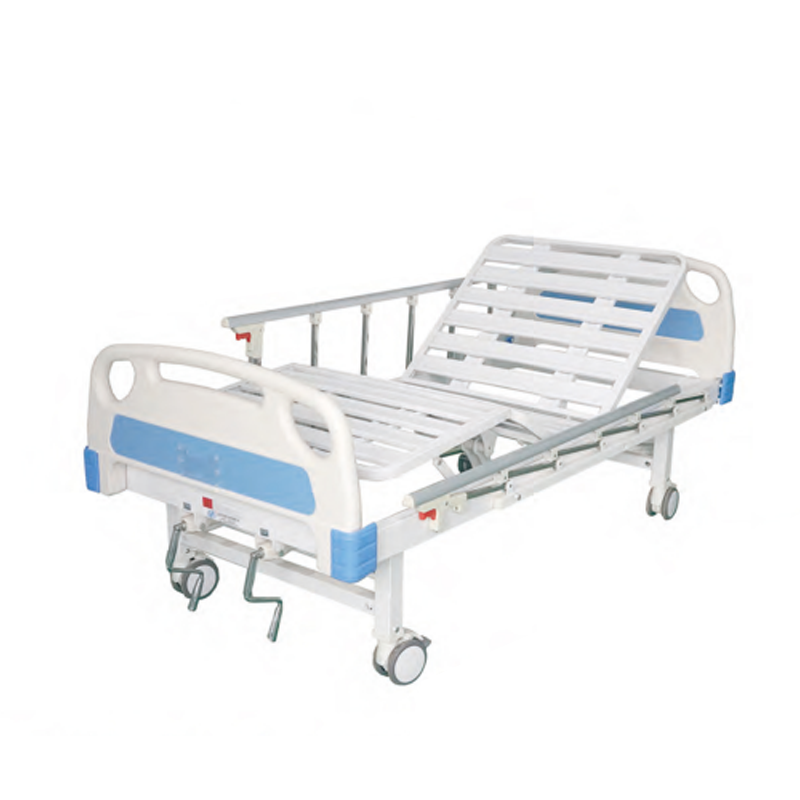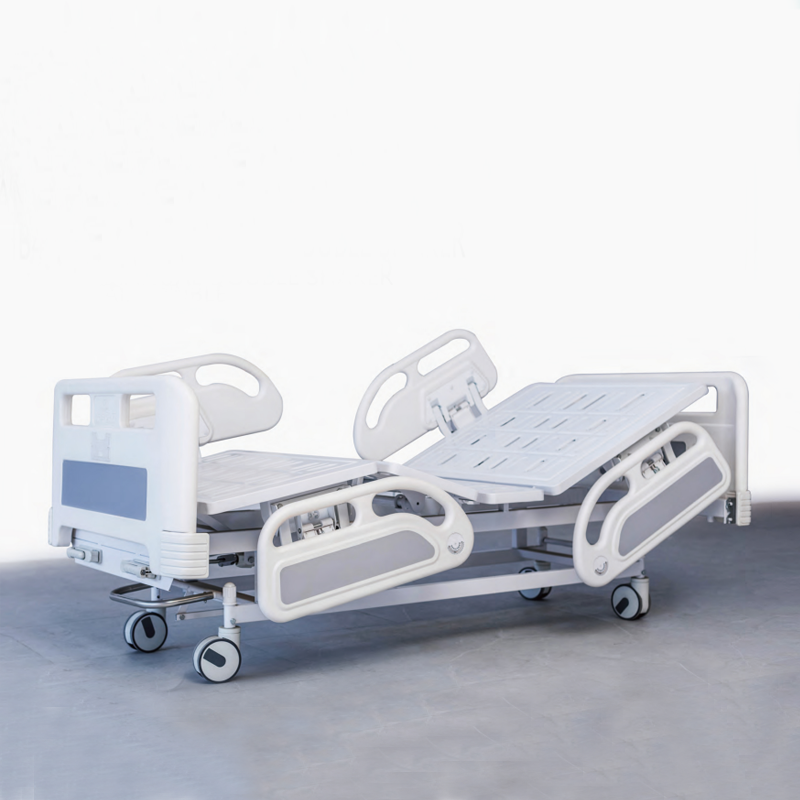

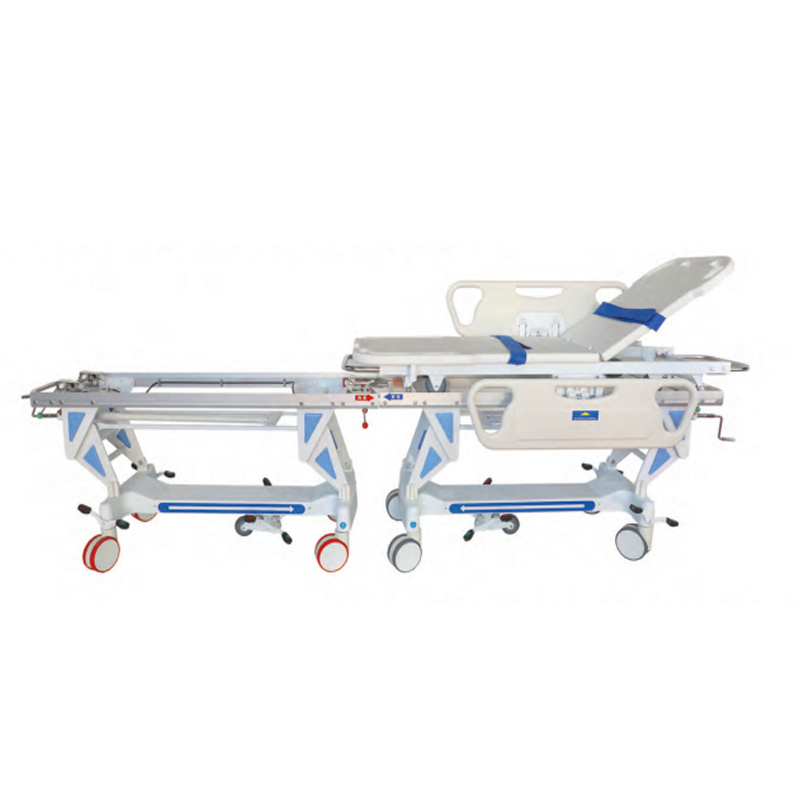
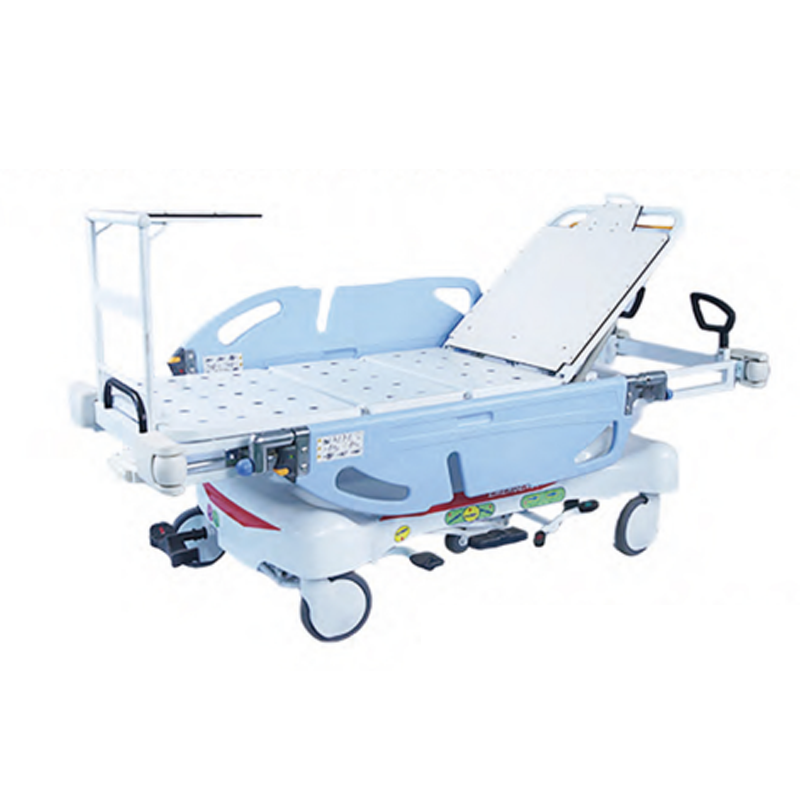
The manual hospital bed with an anti tipping mechanism represents a critical advancement in patient safety engineering, incorporating sophisticated design features that prevent accidental overturning during extreme conditions or improper use. This safety system typically employs a dual approach design combining extended base dimensions with strategically positioned stabilizing elements that create a wider footprint, significantly increasing the bed's stability threshold. Advanced models may incorporate automatic outrigger systems that deploy when the bed height exceeds safe parameters, or weight sensitive locking mechanisms that engage when uneven load distribution is detected. The engineering calculations account for maximum extension scenarios including fully raised height positions with extended side rails and attached medical equipment, ensuring the center of gravity remains within safe parameters throughout all operational configurations. These mechanisms are seamlessly integrated into the bed's overall structure without compromising mobility or accessibility, using high strength materials that maintain durability under stress. The anti tipping feature is particularly crucial when caring for restless patients, during aggressive physical therapy sessions, or when multiple caregivers are simultaneously attending to a patient. This comprehensive safety approach demonstrates a profound commitment to patient protection and risk mitigation, making these beds especially valuable in neurological units, pediatric care, geriatric facilities, and home environments where supervision may be intermittent, ensuring absolute stability regardless of patient movement or clinical circumstances.