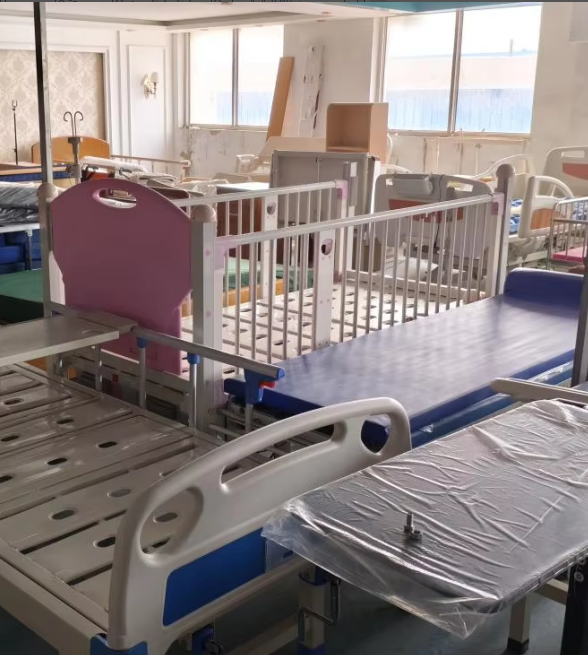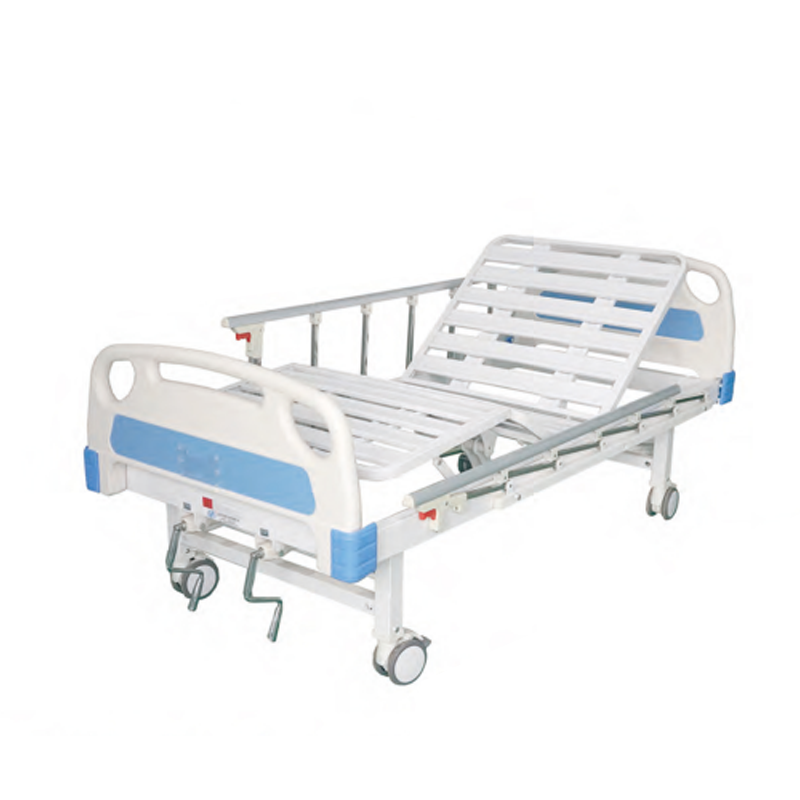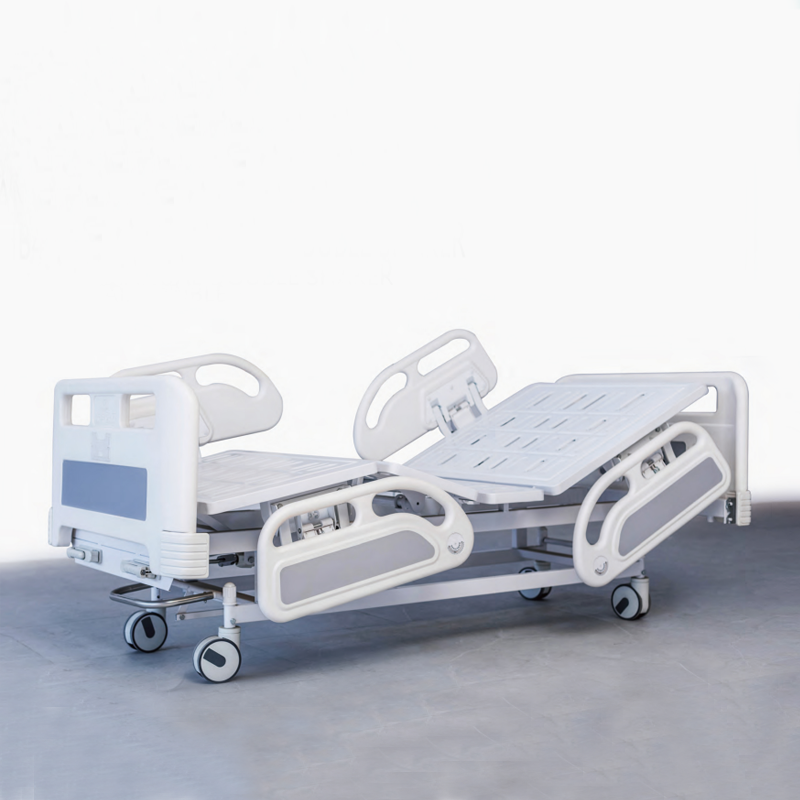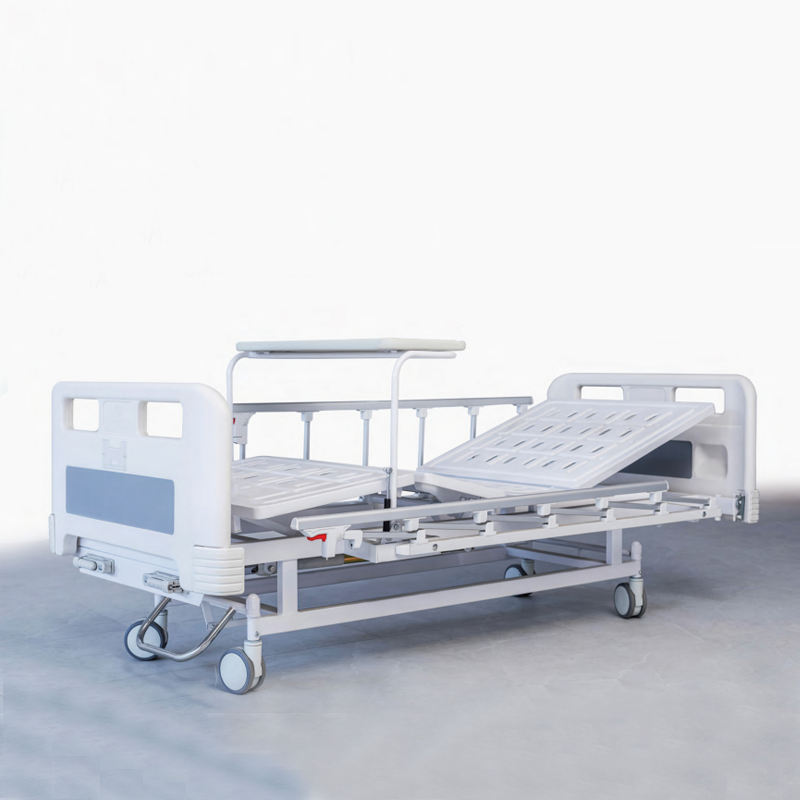

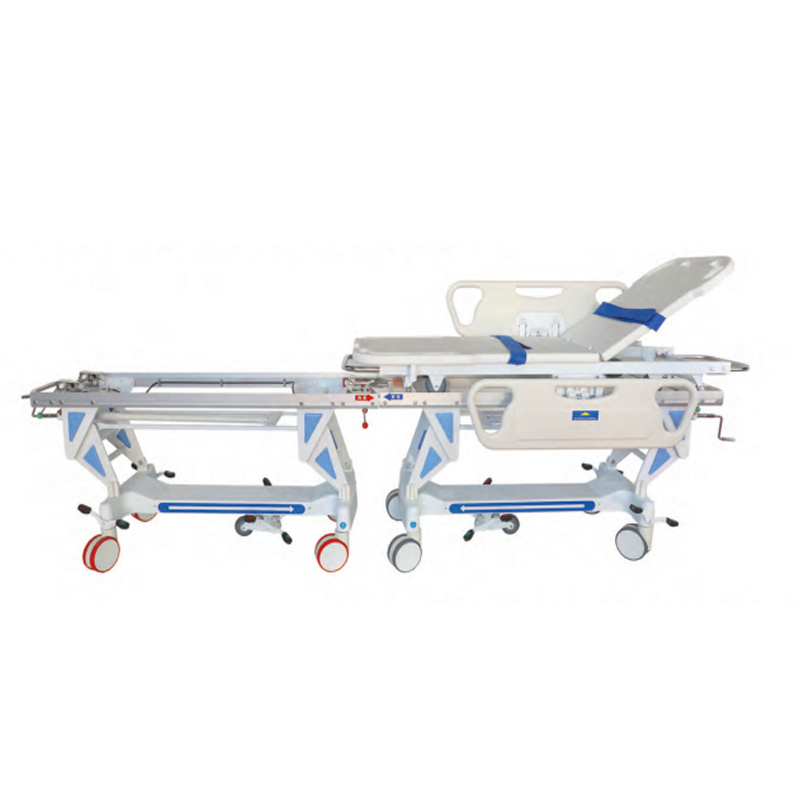
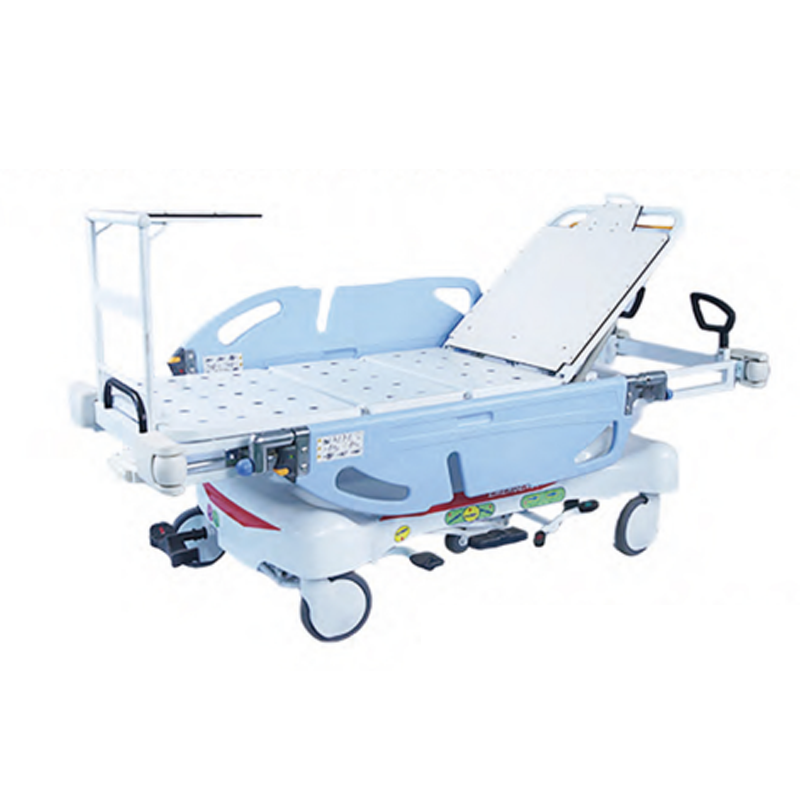
The manual hospital bed featuring adjustable bed height represents a critical interface between patient safety, clinical efficiency, and caregiver ergonomics through mechanical operation. This functionality enables precise vertical positioning of the entire sleeping surface via a manual crank system, creating significant advantages across diverse care scenarios. From a patient safety perspective, the low position minimizes fall impact distance and facilitates easier and less intimidating bed entry and exit, while the high position optimizes transfer alignment with wheelchairs and other mobility aids. For healthcare providers, height adjustability serves as a fundamental ergonomic intervention, bringing patients to optimal working levels that substantially reduce bending, twisting, and lifting motions associated with work related musculoskeletal injuries. This feature supports various clinical procedures by enabling appropriate working heights for medical examinations, treatment administration, and personal care activities. Quality implementations feature smooth operation mechanisms, clear height indicators, and stability maintenance throughout the adjustment range. This capability is particularly valuable in rehabilitation environments for progressive mobility training, in geriatric care for fall prevention, and in bariatric applications for proper biomechanical alignment during patient handling, establishing it as an essential component of practical and effective patient care infrastructure across healthcare settings worldwide.