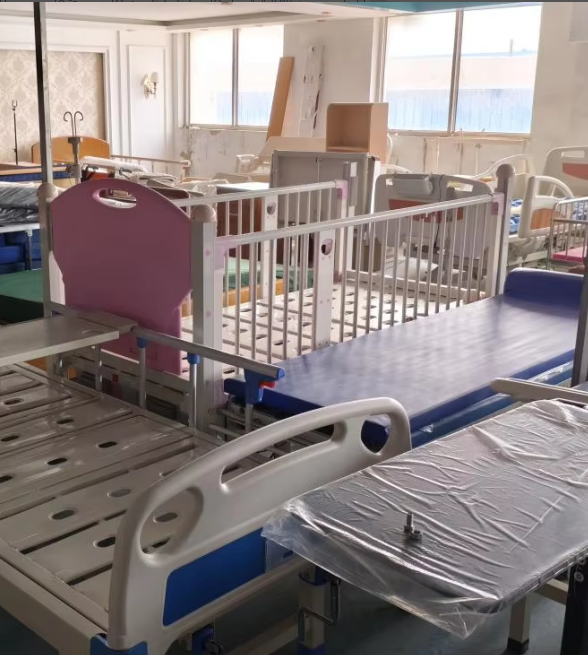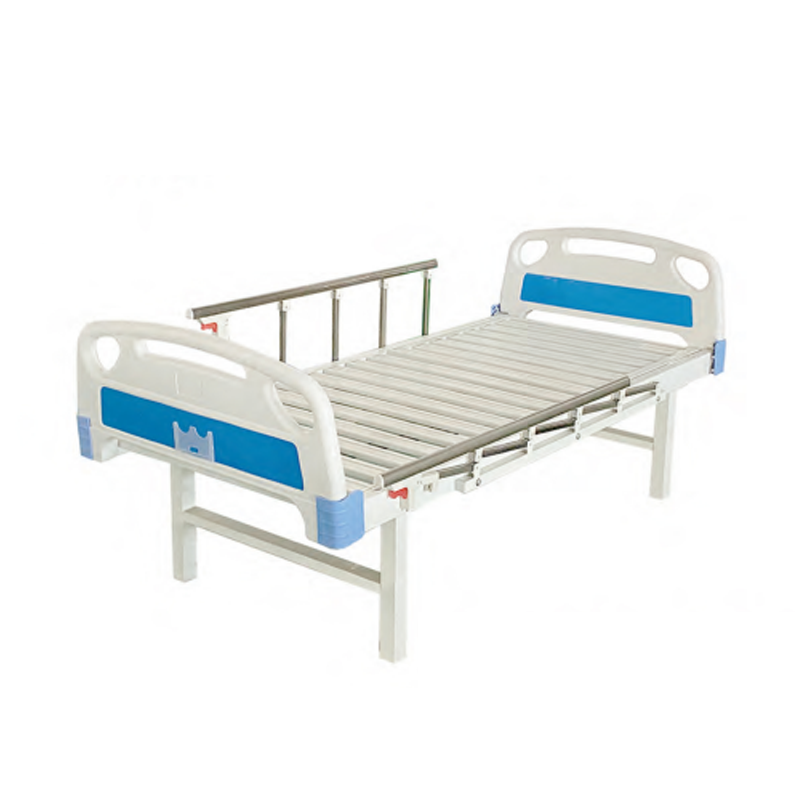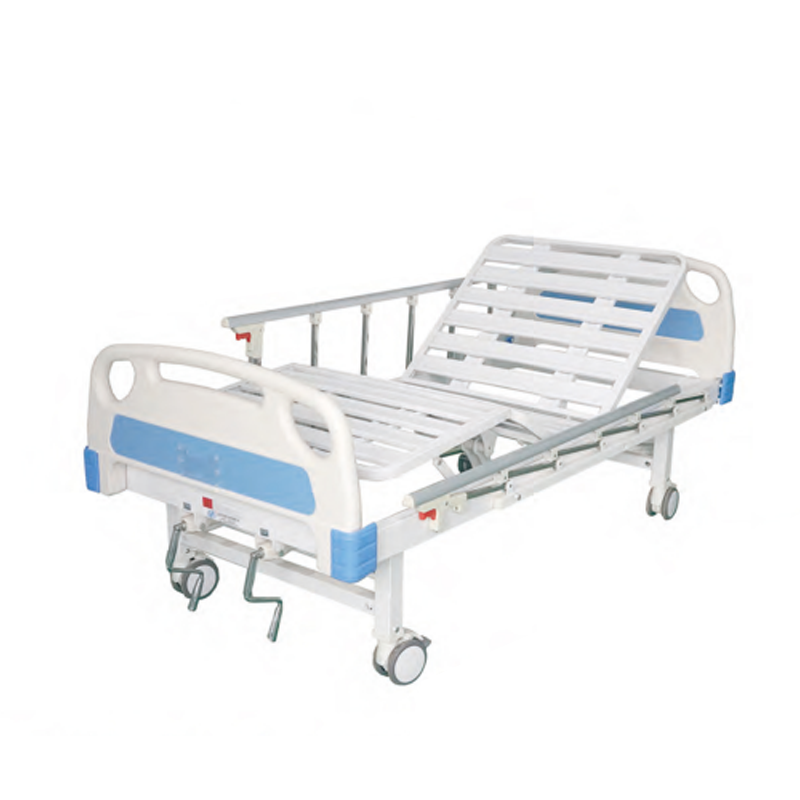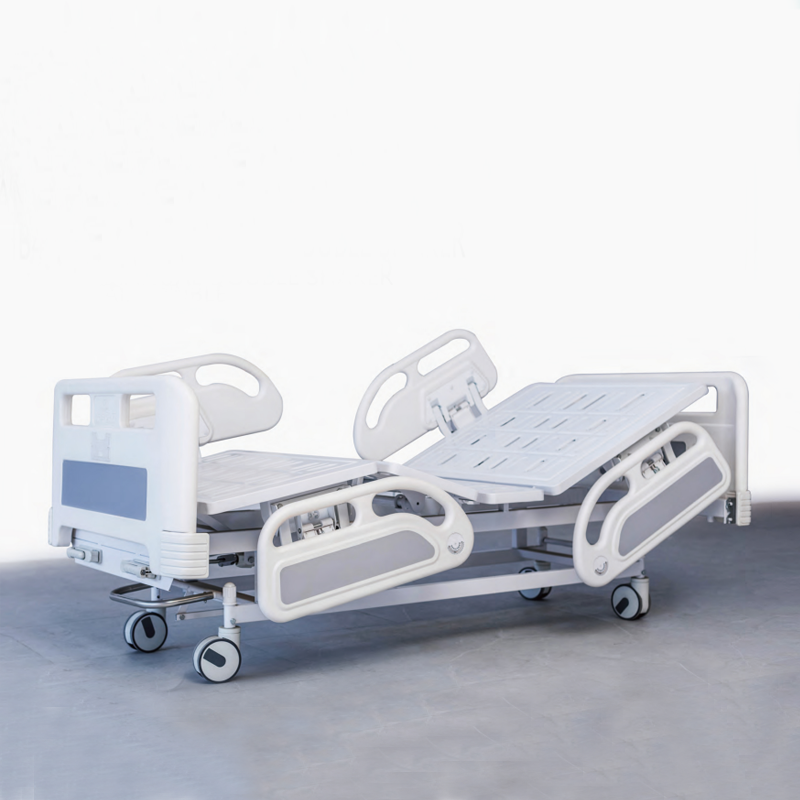

The manual hospital bed featuring an adjustable backrest represents a fundamental therapeutic component that significantly impacts patient outcomes through mechanical precision. This functionality, achieved through a robust crank mechanism, enables smooth elevation of the backrest from horizontal to various upright positions, typically up to 70 degrees or more. The clinical benefits are substantial: elevated positions enhance pulmonary function by improving lung expansion and oxygenation, particularly crucial for patients with respiratory compromise or during recovery from anesthesia. The adjustability facilitates optimal feeding positions for patients with swallowing difficulties, reduces symptoms of gastroesophageal reflux, and enhances comfort during extended periods of bed rest. The manual operation provides reliable performance without electrical dependency, with precision gearing that ensures smooth transitions and maintains positions securely. The design incorporates reinforced structures that guarantee stability at maximum elevation and intuitive control placement that allows both caregivers and patients to operate the mechanism comfortably. This feature proves particularly vital in general ward settings, long term care facilities, and home care environments where dependable positioning capability directly influences patient comfort, complication prevention, and overall recovery progression.