
 EN
EN
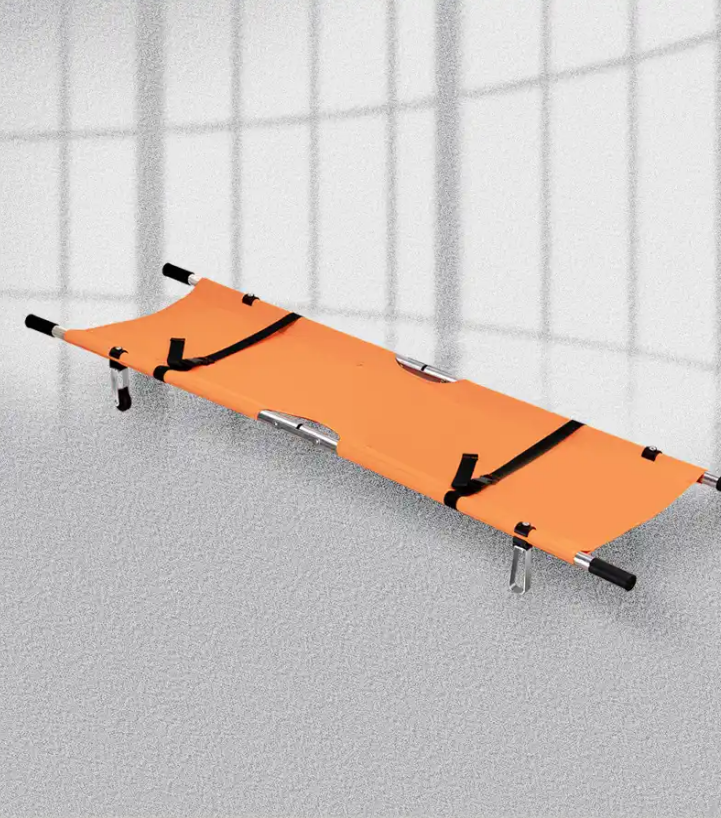
Elevated Patient Safety During Critical Transports
Emergency medical services (EMS) operate in high-stakes scenarios where every second and every movement impacts patient outcomes, and modern stretchers stand as a cornerstone of patient safety in these moments. Unlike basic transport surfaces, advanced EMS stretchers are engineered with fall-prevention features—including secure side rails, adjustable harness systems, and contoured bed frames—that eliminate the risk of patient displacement during ambulance transit, stair navigation, or transfer between care settings. For patients with traumatic injuries, spinal cord damage, or unstable vital signs, this stability is non-negotiable: it maintains proper body alignment, prevents secondary injuries, and preserves the integrity of life-saving interventions like CPR or IV therapy en route to the hospital.
These stretchers also integrate shock-absorbent bases and vibration-dampening technology, which cushion the impact of rough roads, sudden stops, or uneven terrain. This feature is critical for patients with head injuries, broken bones, or cardiovascular distress, as it minimizes jostling that could exacerbate internal or external harm. Additionally, many modern stretchers are designed with low-friction, easy-to-clean surfaces that reduce the risk of infection transmission—a vital safety measure in EMS, where patients may have open wounds or compromised immune systems. Every design element of the modern EMS stretcher is calibrated to mitigate risk, turning a simple transport tool into a mobile safety barrier for vulnerable patients in emergency situations.
Enhanced Patient Comfort Amid Acute Distress
Comfort is often overlooked in emergency care, yet it plays a pivotal role in reducing patient anxiety and physiological stress—both of which can worsen vital sign instability in acutely ill or injured individuals. Advanced stretchers address this by prioritizing ergonomic design, with adjustable positioning that accommodates a range of medical needs: elevating the head for patients with respiratory distress, tilting the frame for those with hypotension, or lowering the entire bed to a patient-friendly height for initial assessment. Unlike rigid, one-size-fits-all stretchers of the past, modern EMS stretchers offer customizable support, with padded mattresses that distribute pressure evenly and reduce discomfort for patients with fractures, burns, or chronic conditions experiencing an acute episode.
For pediatric, geriatric, or bariatric patients—populations with unique comfort and support needs—specialized EMS stretchers provide tailored solutions: smaller frames with pediatric harnesses, extra-wide surfaces with reinforced padding for bariatric patients, and lightweight designs that allow for gentle handling of elderly patients with fragile bones or joint pain. Even in the most chaotic emergency scenarios, these comfort-focused features help calm patients, making them more cooperative with EMS providers and reducing the physical and emotional toll of the emergency event. In turn, this improved comfort translates to better clinical outcomes, as less stressed patients have more stable heart rates, blood pressure, and respiratory function during transport.
Boosted Responder Efficiency and Reduced Occupational Injury
EMS responders face physical and mental demands that put them at high risk of occupational injury, and modern stretchers are engineered to alleviate this burden while boosting overall operational efficiency. Traditional stretchers require manual lifting and maneuvering, which often leads to back, shoulder, and neck injuries for providers—especially when transferring patients from tight spaces (e.g., car interiors, small rooms) or up and down stairs. Modern EMS stretchers solve this with motorized height adjustment, foldable frames, and swivel wheels with 360-degree maneuverability, allowing a single responder to adjust, move, and position the stretcher with minimal physical effort. This not only speeds up patient extrication and transport but also reduces the risk of provider injury, which is a leading cause of EMS workforce burnout and absenteeism.
Efficiency is further enhanced by the integration of multi-functional features into modern stretchers, which eliminate the need for separate equipment and streamline emergency care. Many stretchers include built-in IV pole mounts, oxygen tank holders, and monitor attachment points, creating a mobile care station that keeps all essential tools within the responder’s reach. This means providers can administer care—such as administering medications, monitoring vital signs, or stabilizing fractures—without having to leave the patient’s side or search for equipment, cutting down on precious minutes in emergency scenarios. Additionally, lightweight, durable materials like high-tensile steel and aluminum make modern stretchers easy to load and unload from ambulances, reducing the time between scene arrival and departure. For EMS teams, this combination of ergonomic design and integrated functionality turns stretchers into a tool that amplifies their capabilities, allowing them to deliver faster, more effective care while protecting their own health.
Optimized Emergency Care Continuity
Emergency medical care is a continuum, and stretchers serve as the vital link between the scene of an emergency, the ambulance, and the hospital emergency department—modern stretchers ensure this link is unbroken and seamless. A key benefit of advanced EMS stretchers is their compatibility with hospital-based care equipment: standard sizing and universal attachment points allow the stretcher to be easily connected to hospital monitors, imaging machines, and surgical tables, eliminating the need to transfer the patient to a different bed upon arrival. This seamless transition is critical for patients with life-threatening conditions, as it minimizes interruptions to vital sign monitoring, oxygen delivery, or other life-saving interventions. For example, a patient in cardiac arrest can remain on the same stretcher from the scene to the emergency department, with providers continuing CPR and defibrillation without pause—an advantage that directly improves survival rates.
Modern stretchers also support documentation and care coordination, two pillars of effective EMS. Many models include built-in data ports that sync with electronic health record (EHR) systems, allowing responders to record vital signs, treatment administered, and patient positioning directly on the stretcher—information that is instantly shared with hospital staff. This real-time data transfer ensures that emergency department teams have a complete, accurate picture of the patient’s condition before arrival, enabling them to prepare the necessary equipment, staff, and treatment plans. In addition, stretchers with detachable or foldable components can be used in multiple care settings—from pre-hospital to in-hospital—reducing the number of patient transfers and the associated risks of injury or care disruption. By creating a continuous, connected care experience, modern stretchers ensure that emergency patients receive consistent, high-quality care from the moment EMS arrives on the scene to the moment they enter the hospital.
Durability and Cost-Effectiveness for Long-Term EMS Operations
EMS agencies operate on tight budgets and rely on equipment that can withstand the rigors of daily use, and modern stretchers deliver exceptional durability and long-term cost-effectiveness—key benefits for sustainable emergency care. Constructed from high-quality, industrial-grade materials like heavy-duty steel, aluminum alloys, and water-resistant vinyl, these stretchers are built to endure constant use, exposure to harsh weather, and contact with bodily fluids, chemicals, and other contaminants. They require minimal maintenance, with rust-resistant components, easy-to-replace parts, and wipe-clean surfaces that reduce the time and cost of cleaning and upkeep. Unlike cheaper, disposable stretchers that need frequent replacement, modern EMS stretchers have a long lifespan, making them a wise investment for agencies looking to maximize their equipment budget.
The cost-effectiveness of modern stretchers extends beyond their durability: by reducing patient injuries, provider absences due to occupational harm, and care delays, they lower the overall operational costs for EMS agencies and healthcare systems. Fewer secondary patient injuries mean lower hospital readmission rates and reduced healthcare costs for patients and payers. Fewer provider injuries translate to less workers’ compensation claims, reduced staffing shortages, and higher team productivity. Faster, more efficient care means EMS teams can respond to more calls in a single shift, increasing the agency’s capacity to serve the community. For EMS agencies, the benefits of modern stretchers are not just clinical—they are financial, ensuring that agencies can deliver high-quality emergency care without overextending their resources.
In emergency medical services, stretchers are far more than just a tool for patient transport: they are a critical component of pre-hospital care that shapes patient safety, comfort, and outcomes, while supporting the health and efficiency of EMS responders. The modern EMS stretcher, with its engineered safety features, ergonomic design, multi-functional capabilities, and durable construction, transforms emergency care—turning chaotic, high-stakes scenarios into controlled, compassionate, and effective care experiences. For every patient in need and every EMS provider on the front lines, the benefits of these advanced stretchers are clear: they save time, reduce risk, and ensure that emergency care is as safe, comfortable, and seamless as possible, from the scene to the hospital.