
 EN
EN
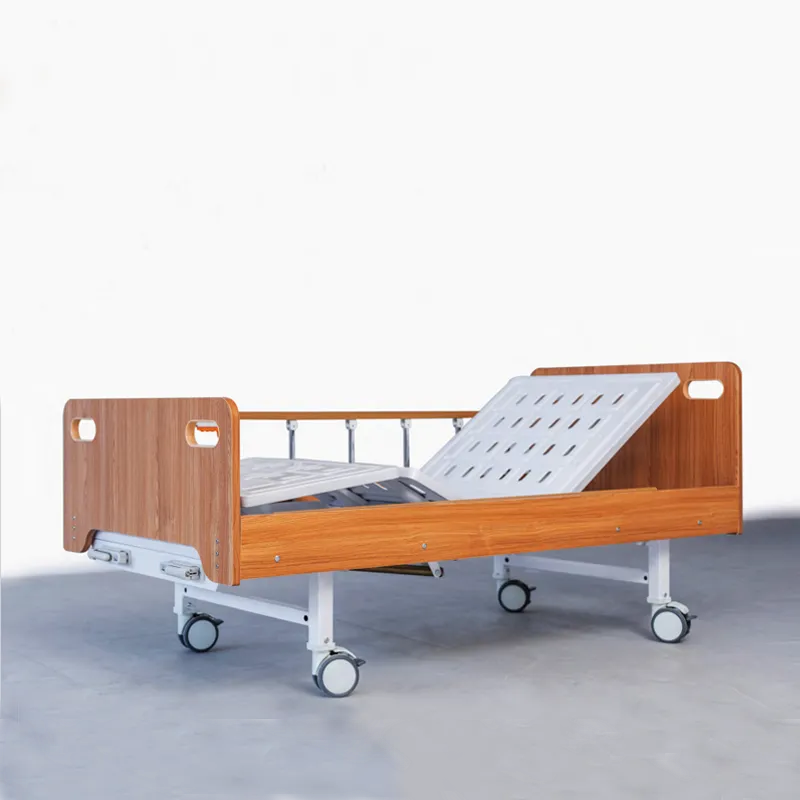
What Safe Working Load Really Means for Manual Hospital Beds
Defining Safe Working Load (SWL) and Its Regulatory Foundations
The Safe Working Load, or SWL, basically tells us how much weight a manual hospital bed can handle safely in everyday use. This includes not just the person lying there but also things like the mattress, those side rails, IV stands, and all sorts of other equipment that gets attached. A regular maximum weight limit doesn't tell the whole story though. Real world usage matters a lot here. According to international regulations, particularly EN 60601-2-52 which sets the bar for medical beds worldwide, manufacturers must actually put their products through stress tests. Standard beds need to withstand 125% of their stated SWL while bariatric models face even tougher requirements at 150%. These extra precautions help keep the bed's structure intact when things get moved around. Without this buffer zone, we'd see problems like bent frames, worn out joints, or worst case scenario complete breakdowns when nurses adjust positions or transfer patients between beds.
SWL vs. Maximum Patient Weight: Why Clinical Reality Exceeds Static Ratings
A bed’s “maximum patient weight” label is often misleading because it omits critical clinical variables. In practice, caregivers must maintain a 25–30% safety margin above the patient’s actual weight to accommodate:
- Dynamic forces: Sudden movement, seizures, or repositioning can multiply stress on actuators and joints by up to 50%;
- Accessory loads: Pressure-relief mattresses (up to 50 lbs), IV poles with fluid bags (15–30 lbs), and deployed side rails introduce significant levered and static loads;
- Positional shifts: Fowler’s or Trendelenburg positioning redistributes weight unevenly—concentrating up to 70% of mass toward the head or foot section—reducing effective capacity by 20–25% compared to flat, static testing.
For instance, a bed marketed for 450-lb patients typically carries an SWL of 600 lbs to absorb these compounding factors. Relying solely on patient weight ratings risks premature mechanical failure or compromised patient safety.
How to Accurately Assess Load Capacity in Real-World Use
Verifying Manufacturer Specifications Against ISO 11607 and EN 60601-2-52
Medical bed manufacturers need to back up their load claims with actual testing according to EN 60601-2-52, which stands as the sole globally accepted standard for mechanical safety in these devices. Although ISO 11607 deals with sterile packaging and isn't relevant to weight capacity issues, EN 60601-2-52 demands thorough testing both when stationary and moving. This includes checking performance at 135% of what's stated as safe working load. What makes this standard particularly important? It actually requires testing under real world hospital conditions, not just sitting still with weights attached. Healthcare facilities really care about third party verification too. A recent survey found that nearly seven out of ten facility managers consider these reports critical when buying new equipment (Healthcare Safety Journal, 2023). When looking at documentation, make sure it clearly states the most current version of EN 60601-2-52 has been used, and that it specifically mentions results from those dynamic tests we talked about earlier, not just generic compliance notes.
Evaluating Structural Integrity Through Dynamic and Multi-Axis Load Testing
Static weight tests alone cannot predict real-world performance. Clinically relevant assessment requires multi-axis dynamic protocols that simulate caregiver interventions and patient motion:
- Vertical impact testing, replicating sudden repositioning;
- Lateral stress cycles, mimicking patient transfers and bed entry/exit;
- Torsional loading, modeling uneven surface transfers or off-center weight distribution.
The real value comes from these testing approaches revealing problems that simply don't show up during basic single-axis evaluations. Think about things like tiny cracks forming at weld points or hinges slowly changing shape over time. According to recent studies published in Biomechanical Engineering Review back in 2022, dynamic testing actually finds around 42 percent more structural issues compared to just doing static tests alone. For anyone looking at manual hospital bed options, it makes sense to focus on brands that have been independently verified against standards like EN 60601-2-52 for dynamic performance and ASTM F2906 for fatigue resistance. These particular tests give us insight into how well equipment holds up after years of constant movement and daily wear in actual healthcare settings.
Clinical Factors That Reduce Effective Load Capacity of Manual Hospital Beds
How Position Adjustments (Trendelenburg, Fowler’s) Shift Load Distribution
When adjusting beds manually, the way weight spreads out across the frame changes completely. Take Trendelenburg position where the head is tilted down - around two thirds of someone's body weight ends up pressing against those head end parts like hinges and support struts, which can really strain them. On the flip side, when raising the head section (Fowlers position), most of the pressure shifts toward the backrest area and those pivot points instead. All these uneven weight distributions eat away at the safety buffer included in Safe Working Load ratings, meaning beds actually handle about 20 to maybe even 25 percent less weight compared to when they're lying flat. Standards documents like EN 60601-2-52 factor this redistribution into their tests, especially looking at folks who weigh more than 300 pounds. That's why knowing how patients will be positioned matters so much when choosing beds for heavier individuals or those needing intensive care settings.
Staff Handling Practices and Accessory Loads (IV Poles, Mattresses, Side Rails)
Caregiver actions introduce transient, high-magnitude forces that static ratings ignore. Repositioning a patient—even gently—can generate peak loads 30–50% above their body weight due to acceleration and leverage. Accessories compound this effect:
- A full pressure-relief mattress adds up to 50 lbs;
- An IV pole with two 1-L bags contributes ~25 lbs plus dynamic sway forces;
- Deployed side rails act as levers during transfers, amplifying torque on frame mounts.
When all the components come together, they can actually take up almost a third of what the bed is rated for in terms of safe working load (SWL) even before the patient gets on board. Because of this, most healthcare professionals follow recommendations from organizations like AORN and the Joint Commission which suggest keeping around 25 to 30 percent extra capacity beyond just the patient's weight. Regular hospital beds undergo testing at 125% of their stated SWL rating while specialized bariatric beds go up to 150%. Pushing a regular bed too close to its maximum rating without considering additional items or normal patient movements will lead to faster deterioration, possible breakdowns, and could put patients at risk of injury.